
Last updated November 14, 2026
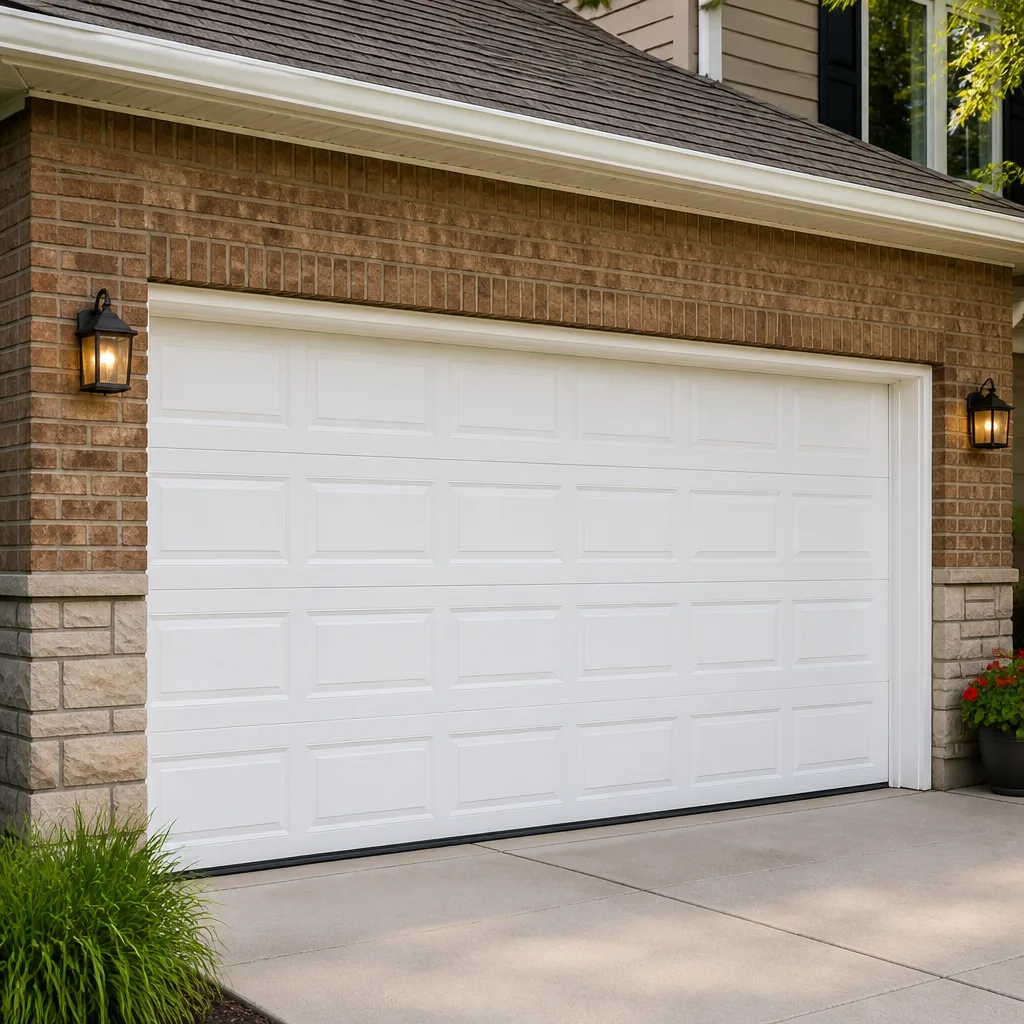 Raised-panel steel
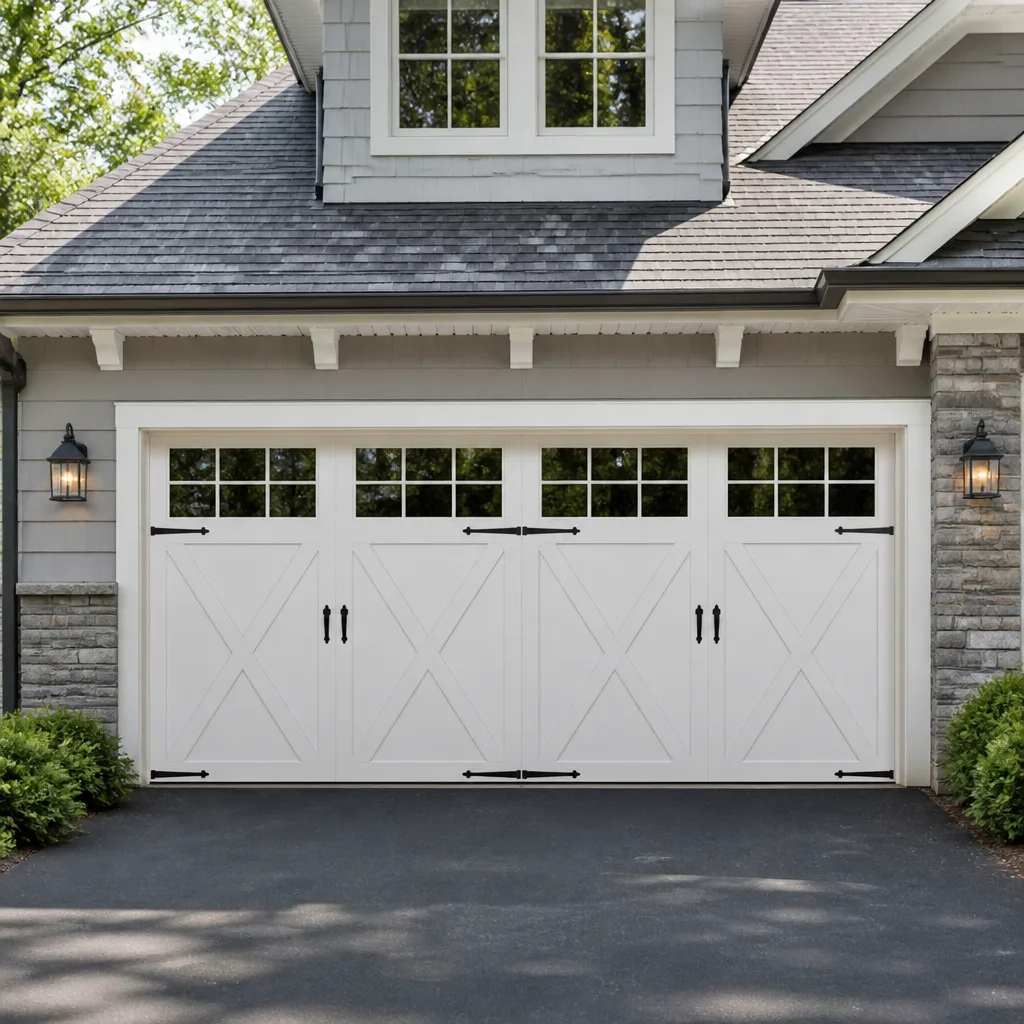 Carriage house
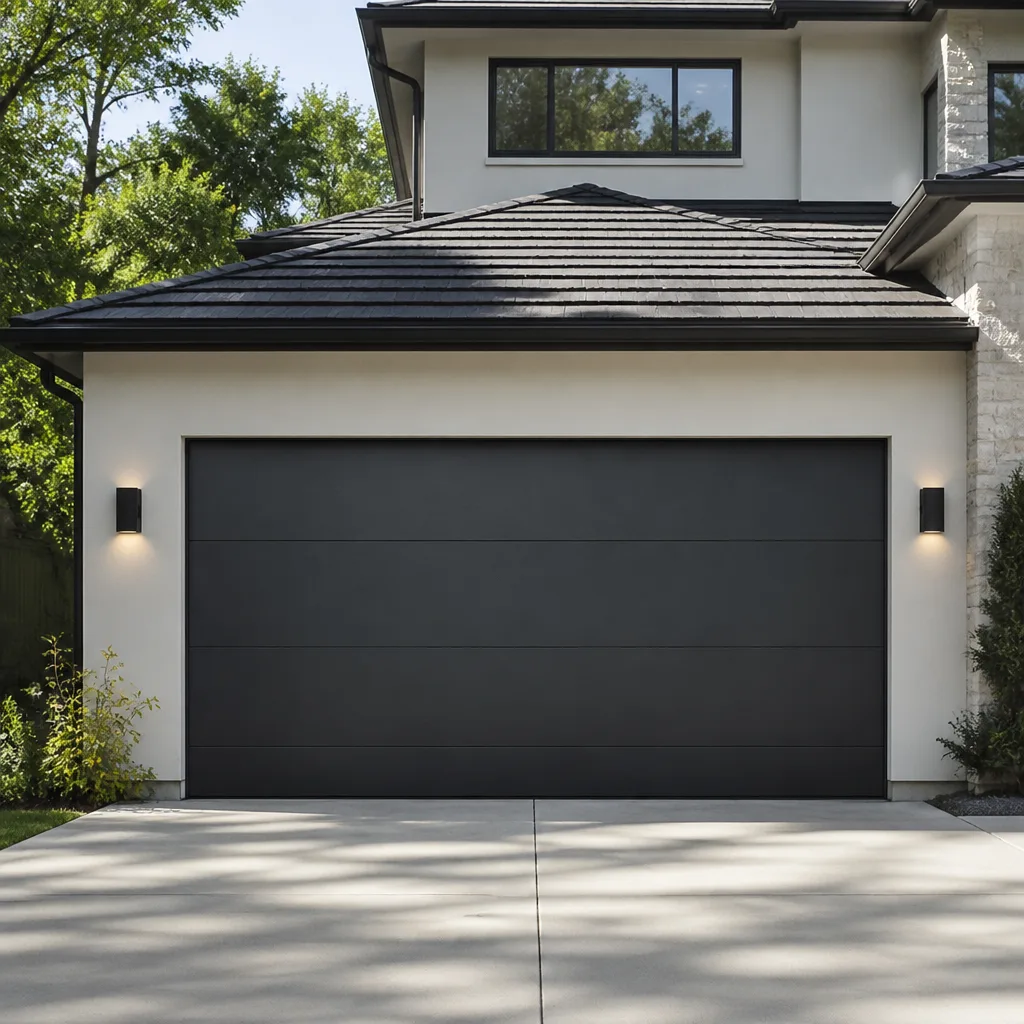 Modern flush
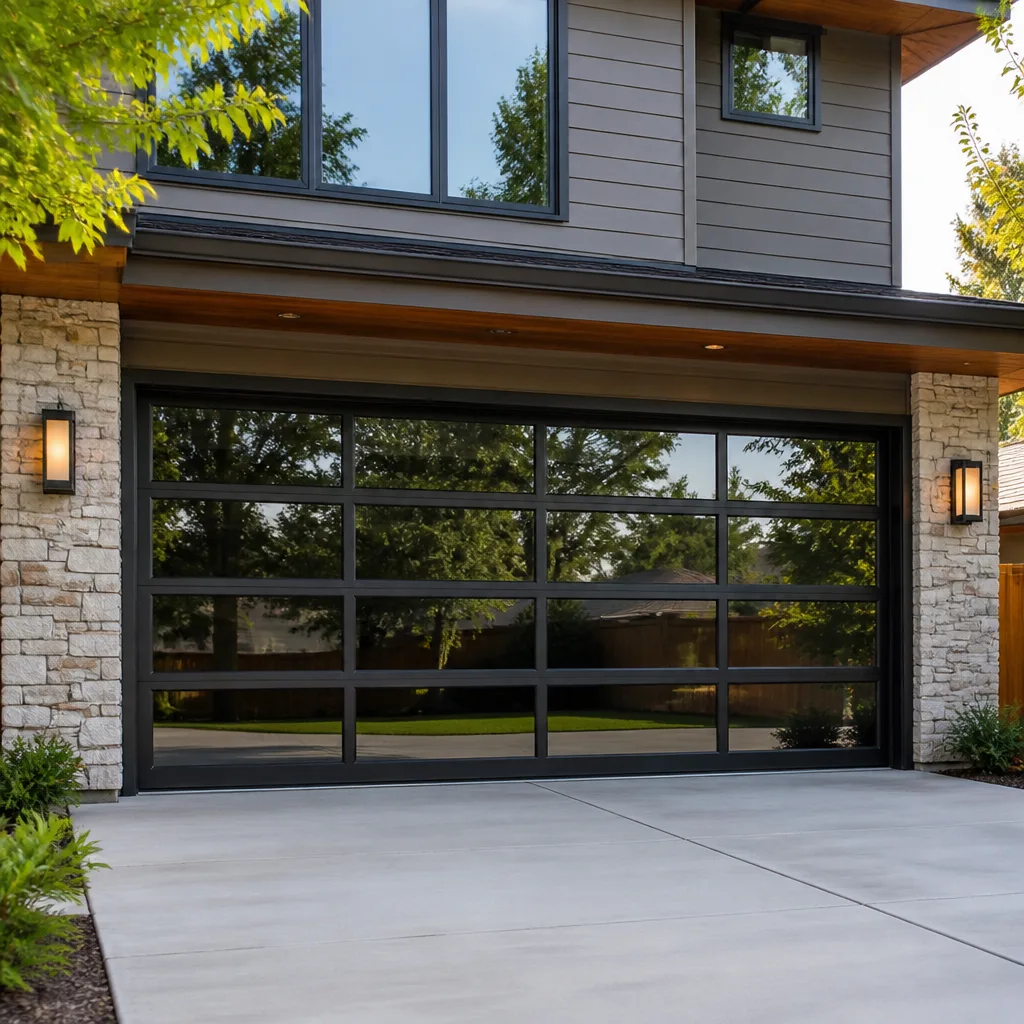 Full-view glass
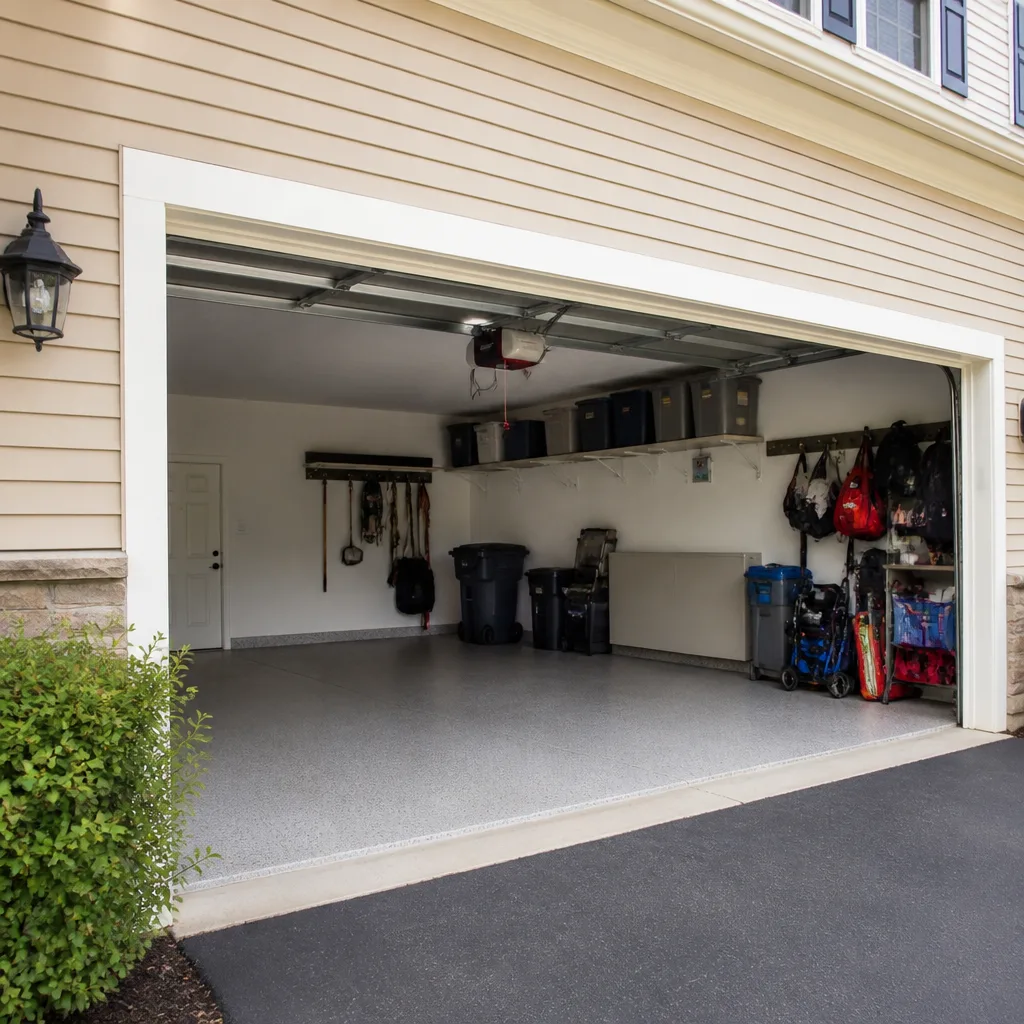 LiftMaster openers
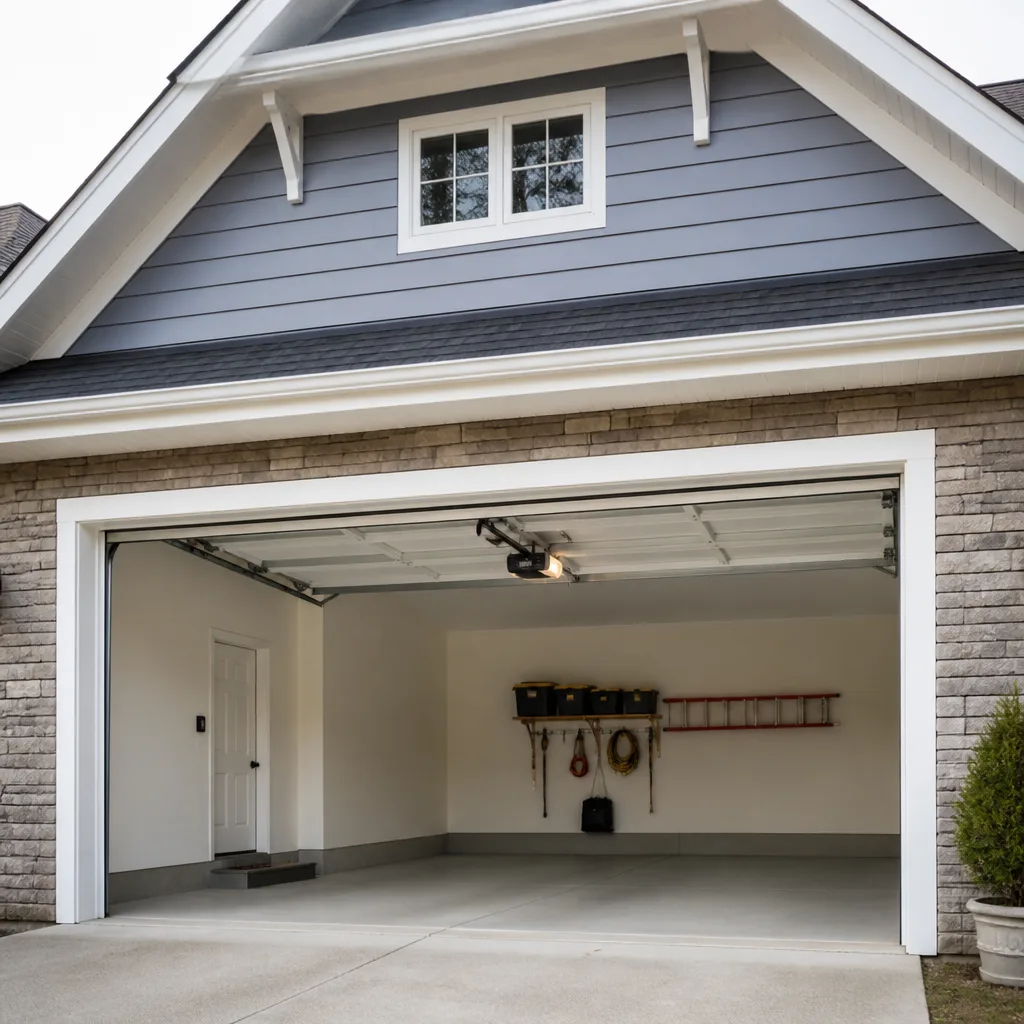 Chamberlain openers
Full 25-point door and opener safety check with every visit - springs, cables, rollers, tracks, and your LiftMaster or Chamberlain opener included
You get a price before we start. It does not change when the pro arrives.
Get your free estimateThe Complete Guide to Garage Doors in Newark
Most garage doors in Newark were fitted into openings that predate the modern sectional door, which means the “standard” 16×7 door you’ll find recommended online often won’t fit an older Newark garage without changing the structure around it. That single fact reshapes almost every decision a Newark homeowner faces: which door type to buy, which opener will mount, and whether a repair is even worth it on the frame you have. This guide maps the real decision tree for Newark garages, from row-house clearance limits to opener compatibility with older wiring, so you can measure, compare, and hire with confidence.
Quick Answer
Garage doors in Newark need to be measured, not assumed. Row-house and attached garages here often have narrower openings, tighter headroom, and older framing than the national default, so the right door is chosen from actual measurements and the right opener is matched to your door’s weight, your slab, and your electrical panel. Bring three numbers to any conversation (opening width, opening height, and headroom) and you’ll avoid the most expensive mistake in the trade: buying a door that won’t fit the garage.
Styles & brands we work with
- Raised-panel steel
- Carriage house
- Modern flush
- Full-view glass
- LiftMaster openers
- Chamberlain openers
Table of Contents
- How Newark garages differ from the national standard
- Sectional vs. one-piece tilt-up: what’s still in Newark garages
- Why low-headroom track setups are common in Newark
- Choosing an opener for Newark slabs and older framing
- Repair or replace? The honest decision tree
- How a Newark installation actually runs
- The Newark pre-call checklist
- What garage door work costs in Newark
How Newark garages differ from the national standard
National door guides assume a suburban garage: a deep two-car bay, a 16-foot-wide opening, and 12 or more feet of ceiling above it. Newark is a different city to build in. Much of the housing stock went up between the 1920s and the 1970s, when cars were narrower, driveways were shorter, and garages were squeezed onto lots between attached neighbors. The result is a market where the “default” door and opener advice often doesn’t apply.
Here’s what we see in Newark garages again and again:
- Narrow openings. Single-bay openings of 8 and 9 feet are far more common than the 16-foot double doors that dominate national catalogs.
- Tight lots and short driveways. Doors that swing or tilt outward need clearance in front. On a short Newark driveway, that clearance can be the difference between a door that works and one that can’t open fully.
- Shared walls. Attached garages in row-house blocks mean less structural give and less tolerance for a door that runs out of square.
- Mixed-age framing. A garage built in the 1930s and re-roofed or re-sided later often has framing that has settled unevenly, which shows up as a door that binds on one side.
- Converted carriage houses and rear garages. These were never designed around a motorized sectional door, so headroom and mounting points have to be worked out on site.
The lesson is simple: in Newark, measurements win. A door or opener chosen from a spec sheet without checking the actual opening is a gamble. When you’re ready to look at your options, our Newark Garage Door Service page lays out the three service lines we run, and each one starts with the same step: confirming what your garage actually is.
Sectional vs. one-piece tilt-up: what’s still in Newark garages
Two door families show up in Newark, and they behave completely differently. Knowing which one you have tells you what a technician will actually do when it fails.
Sectional doors are the panels that roll up on tracks. They’re the modern standard and the type most Newark homeowners picture. They store overhead, take up little driveway room, and are the easier type to insulate and to fit with a modern opener.
One-piece tilt-up doors swing out and up as a single slab on a pivot or jamb hardware. You’ll still find these on pre-1970 Newark garages, especially on rear and converted carriage-house structures. They have no panels and no track, which changes the repair math entirely: there are no sections to swap, and the pivot hardware carries the whole load.
Servicing differs in practice:
- Sectional doors are diagnosed panel by panel and track by track. A bent section can be replaced on its own.
- Tilt-up doors are diagnosed at the pivot, the frame, and the springs. Hardware wear matters more than panel damage.
- Tilt-up doors need clearance in front to swing. If a Newark driveway is short, an outward-tilting door has to be checked for full travel, not just for open and closed.
- Converting a tilt-up opening to a sectional door is a structural question, not a parts question. It has to be measured and framed correctly, and that’s a conversation to have before you buy anything.
If you’re weighing a switch, our guide to garage door repair covers when a failing door is worth repairing on its existing hardware rather than rebuilding the opening.
Why low-headroom track setups are common in Newark
Headroom is the vertical space between the top of your door and the ceiling, and it’s the number Newark homeowners most often forget. It’s also the number that most often kills a planned install. A standard sectional door needs enough headroom above the opening for the top panel to swing back and settle on the horizontal track. In a cramped Newark garage, that space frequently doesn’t exist.
What low headroom means in practice:
- Standard tracks won’t work. A standard radius track needs more vertical clearance than a tight Newark bay usually has. The door has to be fitted with a low-headroom configuration that pulls the door back faster.
- Opener mounting changes. The opener rail and motor hang from the ceiling in the space the door already needs. In low-headroom garages, the opener has to be mounted carefully around the track, not bolted into the first place it fits.
- Spring placement shifts. Standard torsion springs sit on a shaft above the door. Where there isn’t room, a different arrangement is needed so the door still opens without the spring fouling the track.
- Clearance has a safety side. A door fitted to the wrong track geometry can bind, slam, or drop its cables. This is height and spring work, and it’s not a job to attempt by hand.
Before any install, we measure headroom, side clearance, and backroom along with the opening itself. If your garage can’t take a standard setup, you’ll know before you order, not after. Honest measurement is the whole point of a specialist doing the job.
Choosing an opener for Newark slabs and older framing
An opener does two things: it pulls the door, and it has to survive the structure it’s bolted to. In Newark, both matter. Concrete-slab garage floors and older framing change which drive type, horsepower, and mounting approach make sense.
Drive type. Belt drives run quiet, which matters when the garage shares a wall with a bedroom in an attached Newark home. Chain drives are louder but simpler and time-tested. Screw drives fall between the two. On short driveways in tight lots, noise often matters more than raw speed, and belt drives are the usual recommendation for attached garages.
Horsepower. Door weight, not garage size, sets the requirement. A heavy, insulated single door can need more pull than a light double door. In Newark, where single-bay openings are common, the weight is often concentrated in a taller, sturdier door, so horsepower is chosen from what the door actually weighs, not from a generic chart.
Mounting and framing. Older Newark framing means the ceiling attachment points have to be checked. A sagging joist or a weak header can’t carry a motor and rail safely. The opener has to be mounted into sound framing, and that’s part of the assessment, not an afterthought.
The slab matters less than the panel. There’s an outlet and a control panel to work with, and many Newark garages still run on older wiring. Before any opener is installed, we check that the circuit is appropriate for the motor’s draw. If the panel or wiring isn’t up to it, that’s a licensed electrical question, and we’ll flag it so it’s handled correctly before the power goes on.
We work on the brands Newark garages actually have, including LiftMaster, Chamberlain, and Genie, so the opener you already own usually gets diagnosed and repaired rather than replaced outright. If the motor, drive, or logic board is failing, our garage door opener repair line handles that as its own dedicated job. If you’re installing a new door and opener together, we match the hardware to the door so the two work as a system from day one. Everything runs from one company, so there’s no handoff between a door installer and an opener specialist.
Repair or replace? The honest decision tree
Repair is usually the right call. Replacement is justified when the door’s structure or safety is at risk. Here’s how we think through it in a Newark garage, and you can use the same logic before you call.
Repair it if:
- The door is sound and one part failed: a broken spring, a snapped cable, a bent section, a worn roller, a misaligned track.
- The opener motor or drive failed but the door itself is fine.
- The door binds or runs rough but the panels and frame are straight.
- The garage is pre-1970 with a one-piece tilt-up door and the pivot hardware is simply worn.
Consider replacing it if:
- The door has damaged or rotted panels across more than one section.
- The opening has settled to the point where the door can’t run straight no matter how the track is adjusted.
- You want to switch a tilt-up door to a sectional because the driveway or the frame can’t support the swing, and the framing work has been measured and planned.
- The door can’t be given correct headroom or track geometry for safe operation.
Springs and cables are the parts to leave alone. A wound torsion spring or a tensioned cable is under serious load, and releasing one the wrong way can cause severe injury. A trained technician uses proper winding bars and the correct sizing; a homeowner with a wrench doesn’t have a safe way to do it. If your door won’t lift or drops fast, stop pulling it by hand and call for someone who works on springs daily.
We treat repair and replacement as one decision, not a sales pitch. If the door can be fixed, we’ll tell you and the written estimate lets you weigh the difference before anything is ordered.
How a Newark installation actually runs
Installation is measured, ordered, and scheduled, not rushed. In a Newark garage with a tight opening and older framing, the sequence below is what a proper job looks like from the first visit to the final adjustment.
- Measure the opening. Width, height, and the diagonals, to check for out-of-square framing that’s common in older Newark garages.
- Check clearance. Headroom, side clearance, and backroom along the ceiling, plus driveway clearance if the current door tilts out.
- Inspect the support structure. Header, ceiling framing, and the walls the track will attach to, so nothing is lagged into a weak joist.
- Confirm the opener setup. Drive type, horsepower, and mounting points chosen to match the door’s weight and the garage’s noise constraints.
- Order the right door. The correct width and height, with track geometry suited to the actual headroom, and the options you chose.
- Remove and install. The existing door comes down safely, and the new door goes up on tracks set for the measurements recorded on the first visit.
- Balance and test. Springs wound to the door’s actual weight, travel limits set, safety reverse tested, and the door balanced through full travel.
A free measure and a written price comes before any of that. For a full new setup, the team at Newark Garage Door Service carries the install and the opener work under one roof, and brands like Clopay and LiftMaster are part of our day-to-day work. If you’re in the Ironbound, Weequahic, or anywhere else in Newark, the measurements and the door type follow the same logic.
The Newark pre-call checklist
The more you can tell a technician before they arrive, the better the first visit serves you. None of this asks you to touch springs or cables, and none of it needs a ladder for anything you’re not comfortable with. But all of it shortens the conversation.
Measure:
- The opening’s width and height, measured inside the frame.
- The diagonals, top-left to bottom-right and top-right to bottom-left, to flag out-of-square framing.
- Headroom, the distance from the top of the opening to the ceiling.
- Side clearance, the room between the door edge and each side wall.
- Backroom, the ceiling length running into the garage from the door.
Photograph:
- The full door head-on, opened and closed.
- The opener unit and its motor, label or model number included.
- The tracks, springs, and rollers from a safe distance.
- The inside of the garage ceiling where the opener hangs.
- The control panel and the outlet the opener uses.
Verify:
- What door type you have: sectional or one-piece tilt-up.
- Whether the door is sectional or one-piece matters for what to order; say which.
- The opener’s brand and model if you can read the label.
- Whether the door moves freely when you pull it by hand, and whether it feels heavy or binds. Don’t force anything.
- The driveway length in front of the door if your current door tilts out.
What garage door work costs in Newark
Pricing in Newark is set per job by a written estimate, and the final price is the one on that estimate before any work starts. The ranges below are typical estimates for labor and parts together, shown so you can budget, not so you can pin a technician to a number. Every job is confirmed in writing first.
| Job | Typical estimated range | Notes |
|---|---|---|
| Sectional door repair (per job) | Set by written estimate | Track, panel, or roller work |
| Spring replacement, one spring | Set by written estimate | Matched pairs cost about twice one spring |
| Opener repair | Set by written estimate | Motor, drive, remote, or logic board |
| New sectional door installed | Set by written estimate | Door, track, and installation |
| Opener installed | Set by written estimate | Mounting, wiring check, and test |
We don’t publish a price list, because a pre-1970 Newark garage and a newer build can need completely different hardware for the same job. What we do promise is a free estimate and a written price you agree to before anything is ordered or removed. That second part matters: your worry after the quote is usually that the invoice grows once the work starts. With us, the written estimate sets the price. Any change to the scope is discussed and confirmed with you first, not added to the bill afterward.
Call (866) 942-6834 for a free estimate and an exact figure for your garage. We answer 24/7. Fast dispatch from 7am to 7pm, Sunday through Friday.
Common Mistakes to Avoid
- Ordering a “standard” 16×7 door before measuring. Newark single-bay openings of 8 and 9 feet are the norm in much of the city, and a national default size won’t fit without structural work.
- Skipping the headroom check. A standard track setup needs vertical space above the door, and low Newark bays often can’t provide it. Measure before you buy.
- Matching the opener to the garage size instead of the door weight. Horsepower is about how much the door weighs, and in Newark the door can be heavier than a newer double door would suggest.
- Lagging an opener into tired ceiling framing. Older joists and headers won’t hold a motor safely without being checked first.
- Converting a one-piece tilt-up to a sectional without measuring the swing clearance. The outward travel of a tilt door and the frame it pivots on dictate whether a switch is possible at all.
- Forcing a door that binds. Binding usually points to an out-of-square frame or a failing spring. Pulling the door harder or holding it by hand can put you under load and cause injury.
- Assuming a general handyman is the right call. Springs, cables, and safe door travel are garage-door-specific work, and the safe fix comes from someone who does only this. Our garage door repair service exists because it’s a specialty, not a side task.
See the difference
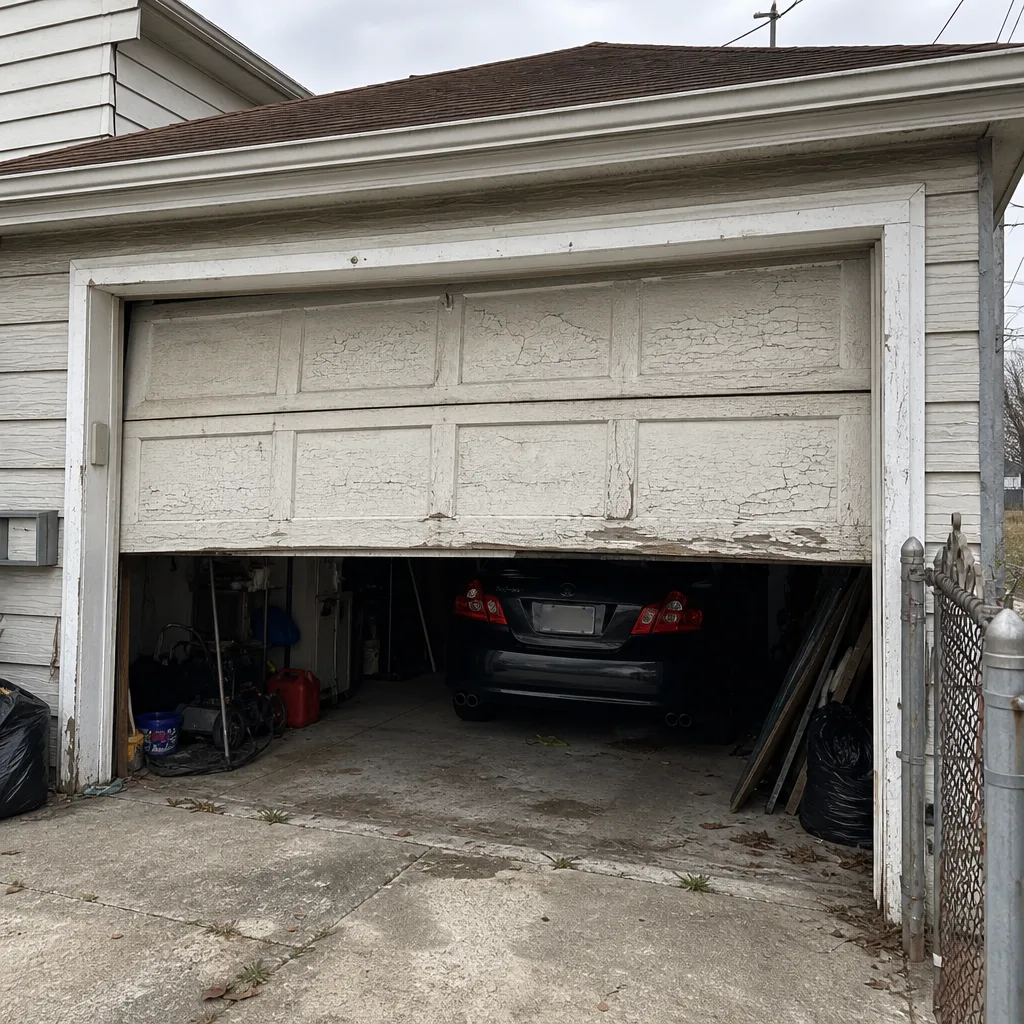 Before
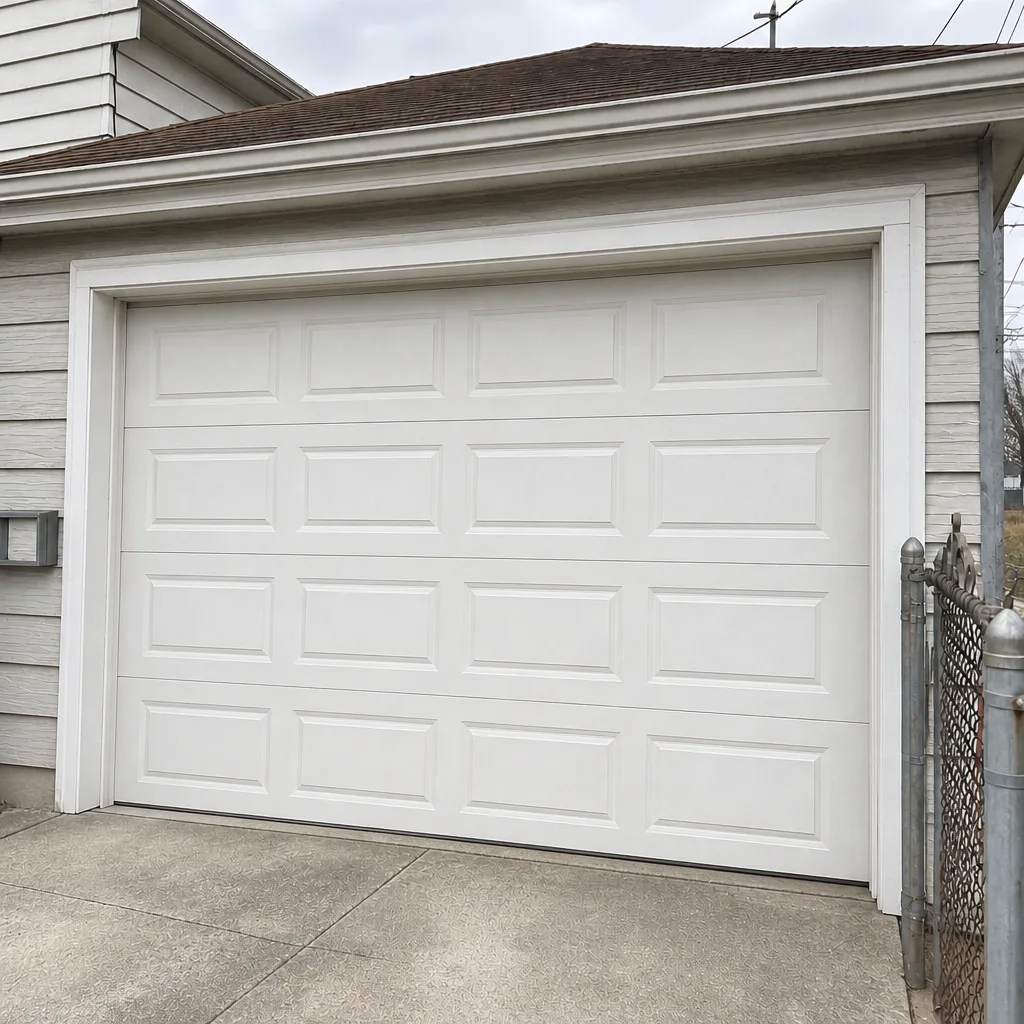 After
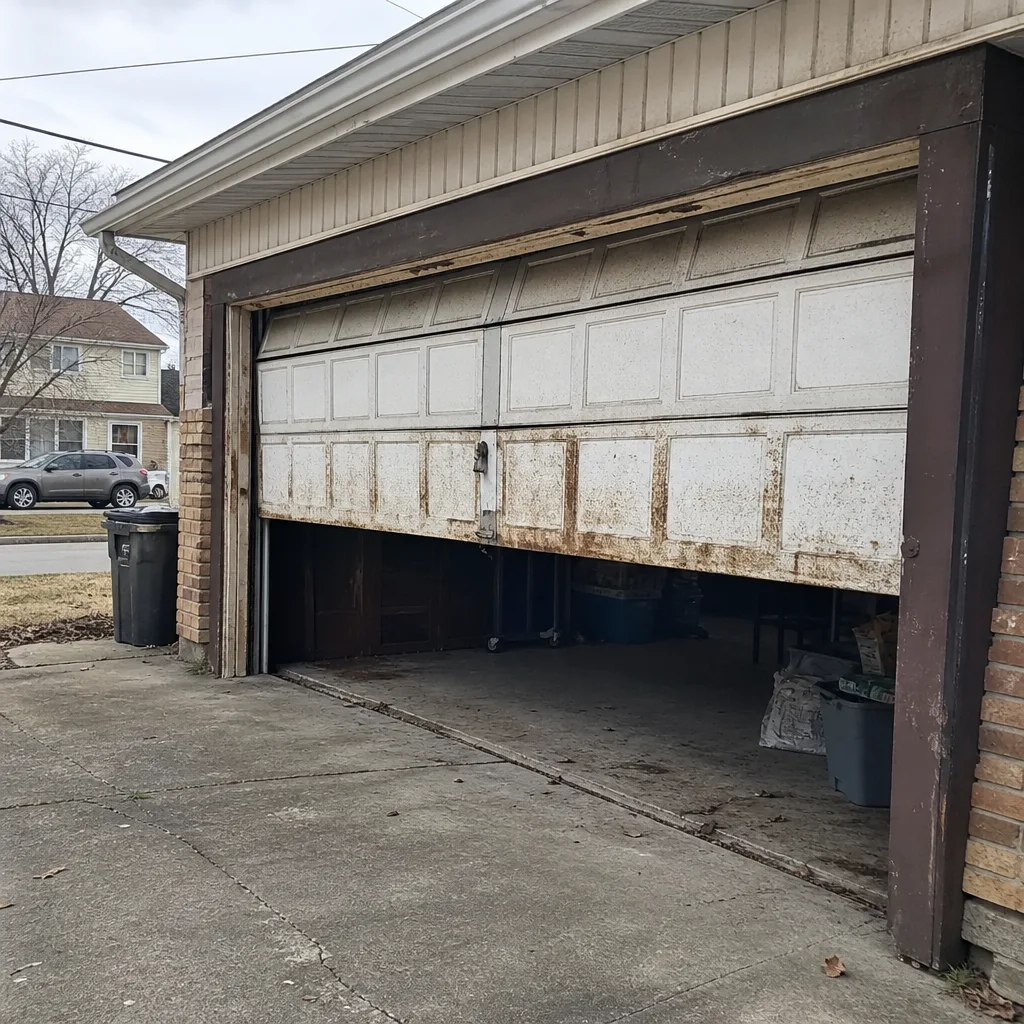 Before
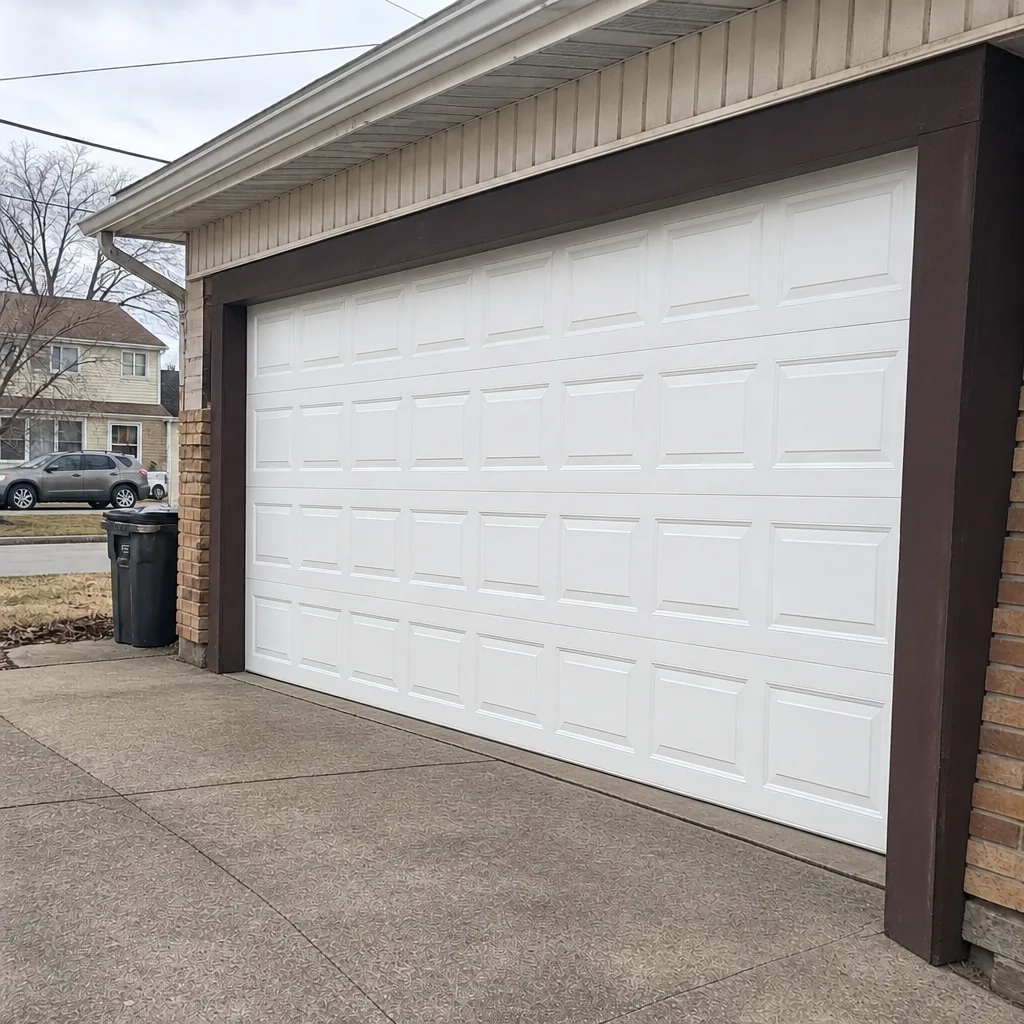 After
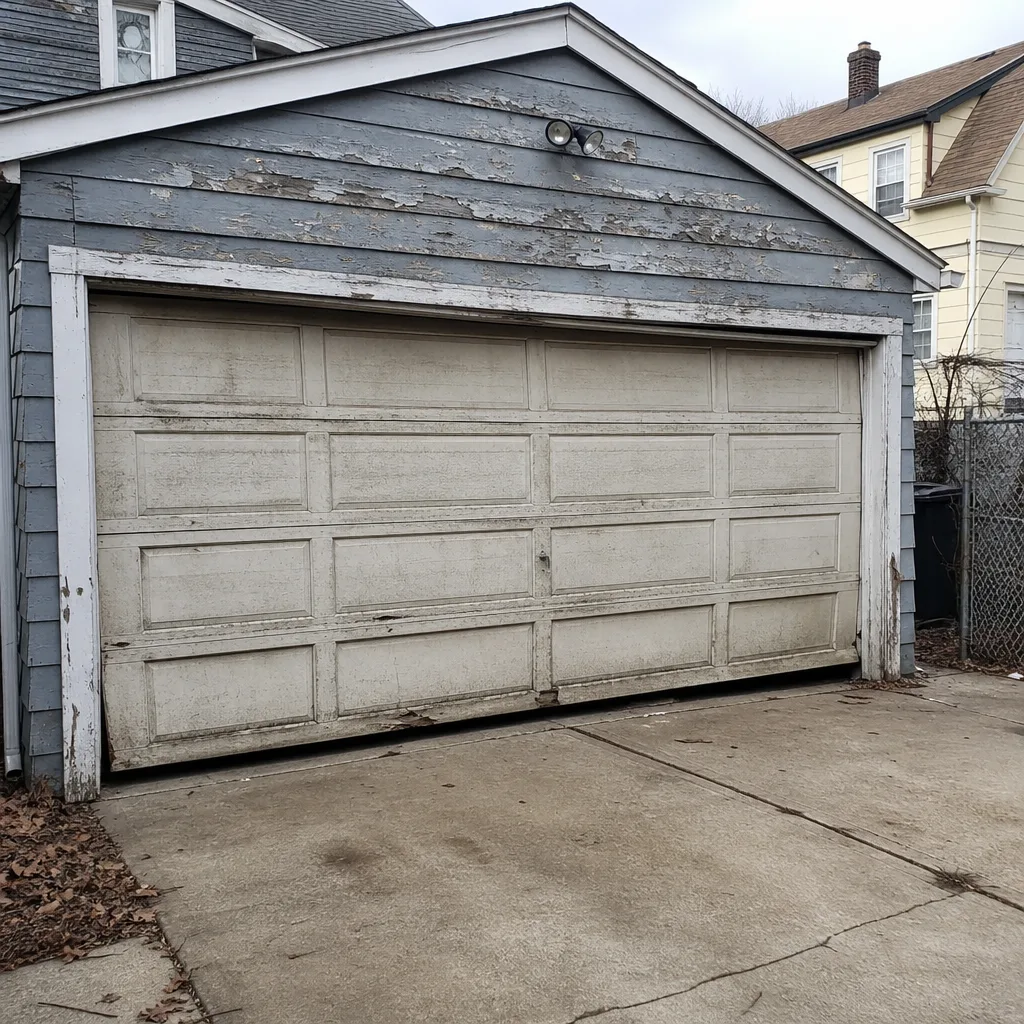 Before
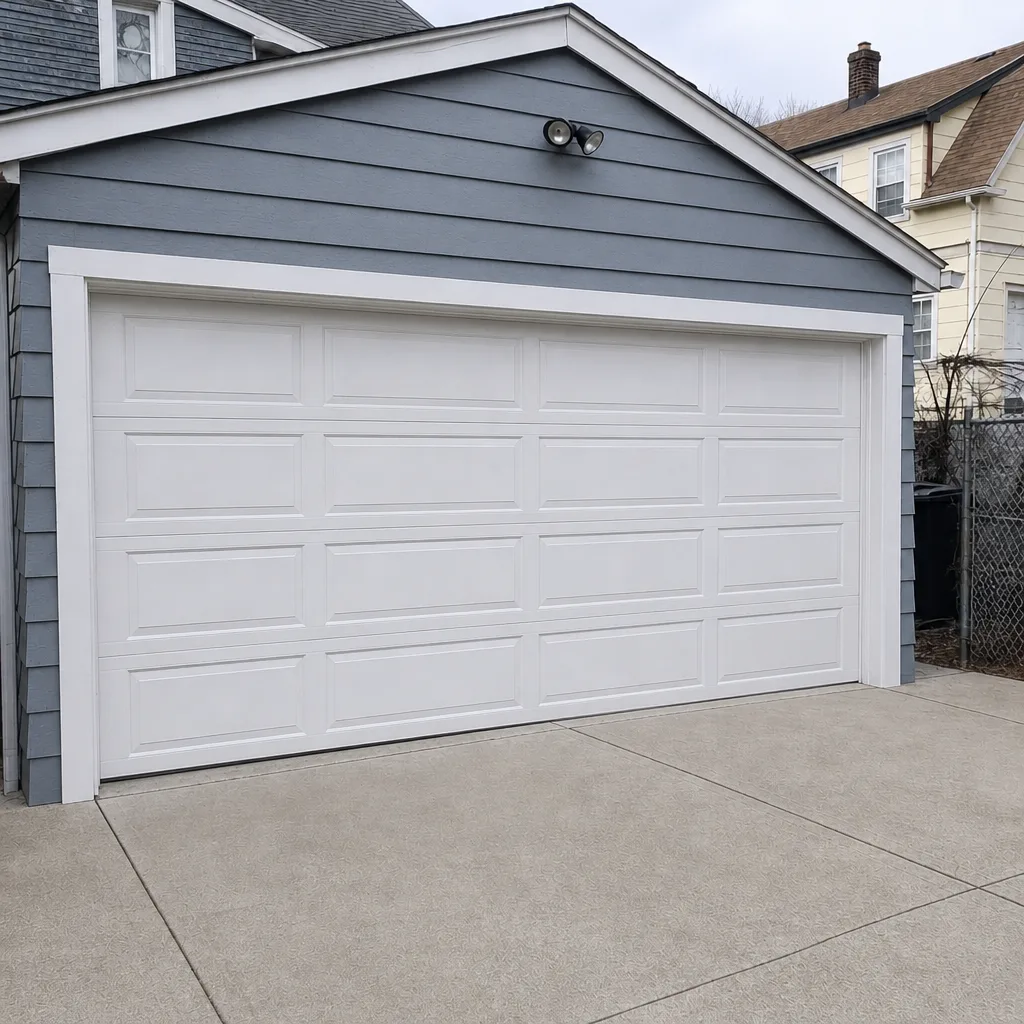 After
When to Call a Professional
Call a professional when the door won’t lift, drops, or binds; when a spring is visibly broken or the cables look loose; when the opener hums but doesn’t move the door; when the door reverses short of the floor or won’t open all the way; or when you’re planning an install and aren’t sure your opening or headroom will take a new door. In Newark, the older housing stock makes the last case especially worth a phone call, because the measurement and the estimate are free.
We’re a specialist single-trade operation. Our technicians have up to 9 years of experience, we’re trained and equipped on LiftMaster, Chamberlain, Genie, Clopay, Amarr, Wayne Dalton, Craftsman, and Raynor, and we handle repair, opener repair, and installation without a handoff. Free estimates in Newark. Call (866) 942-6834. We answer 24/7. Fast dispatch from 7am to 7pm, Sunday through Friday.
Frequently Asked Questions
It depends on your opening, not on a standard, and 8- and 9-foot single-bay doors are common in pre-1970 Newark garages where 16-foot doubles dominate the national catalogs. Measure width, height, and diagonals before ordering anything. Call (866) 942-6834 for a free measure and written estimate.
Because the bay is often too shallow above the door for a standard radius track. Low-headroom configurations let the top panel pull back sooner so the door can open within the ceiling space available. We measure headroom on every Newark install before recommending track geometry. Call (866) 942-6834 for a free estimate.
We can service one-piece tilt-up doors, and yes, they’re often worth repairing on their existing pivot hardware. Replacement makes sense when panels or framing are compromised or the swing clearance is too small for the driveway. Call (866) 942-6834 for a free estimate and an honest answer.
Horsepower follows the door’s weight, not the garage size, and drive type follows your noise needs in an attached home. Belt drives are the usual choice in Newark row-house garages where the door shares a wall with a bedroom. We work on LiftMaster, Chamberlain, and Genie units and match the hardware to your actual door. Call (866) 942-6834 for a free estimate.
No. The written estimate sets the price, and the price is agreed before any work starts. If a job turns out to need a larger scope, we discuss that with you before doing it, not after. Call (866) 942-6834 for a free estimate.
Yes. The independent professionals we connect you with are licensed and insured, and the estimate is always free. Our technicians have up to 9 years of experience and work only on garage doors and openers. Call (866) 942-6834. We answer 24/7. Fast dispatch from 7am to 7pm, Sunday through Friday.
The Bottom Line
Garage doors in Newark are a measured decision, not a catalog order. Row-house and attached garages from the 1920s through the 1970s often won’t take a standard 16-foot door, and low headroom is the reason so many Newark installs need special track setups. Match the opener to the door’s weight and the framing above it, repair what can be repaired honestly, and never touch a spring or cable yourself. Measure three numbers (width, height, headroom), photograph the door and opener, and call with them in hand. The estimate is free, the price is agreed in writing first, and one call handles repair, opener work, and installation from start to finish. Call (866) 942-6834. We answer 24/7. Fast dispatch from 7am to 7pm, Sunday through Friday.
Written by the team at Newark Garage Door Service.