
Last updated November 14, 2026
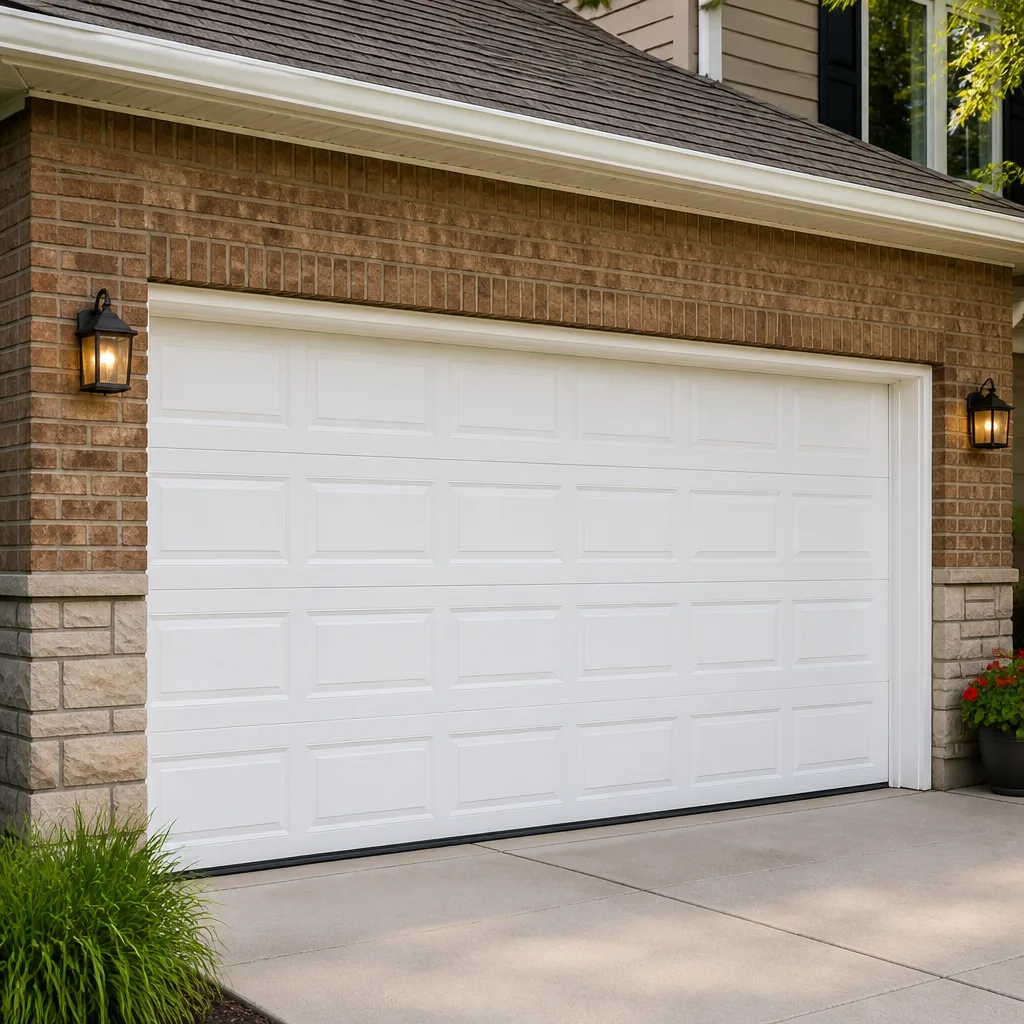 Raised-panel steel
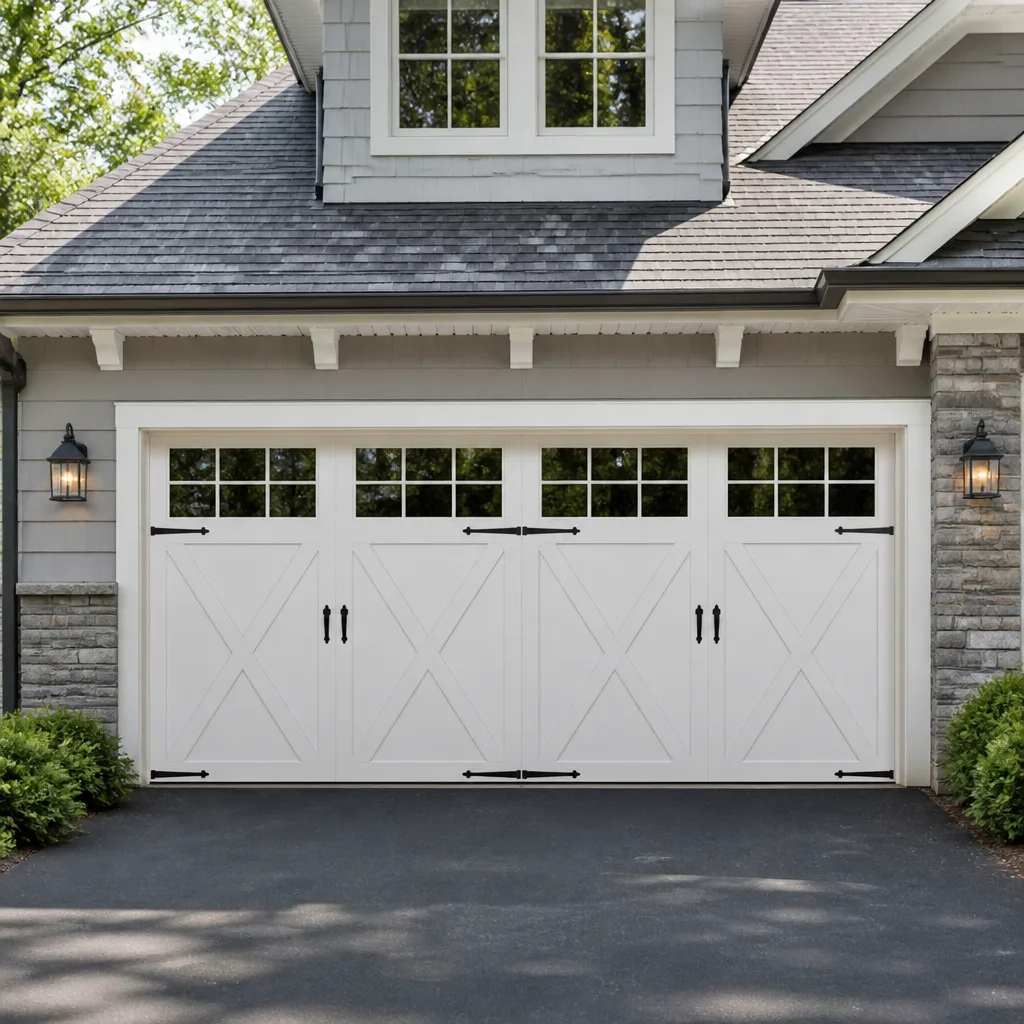 Carriage house
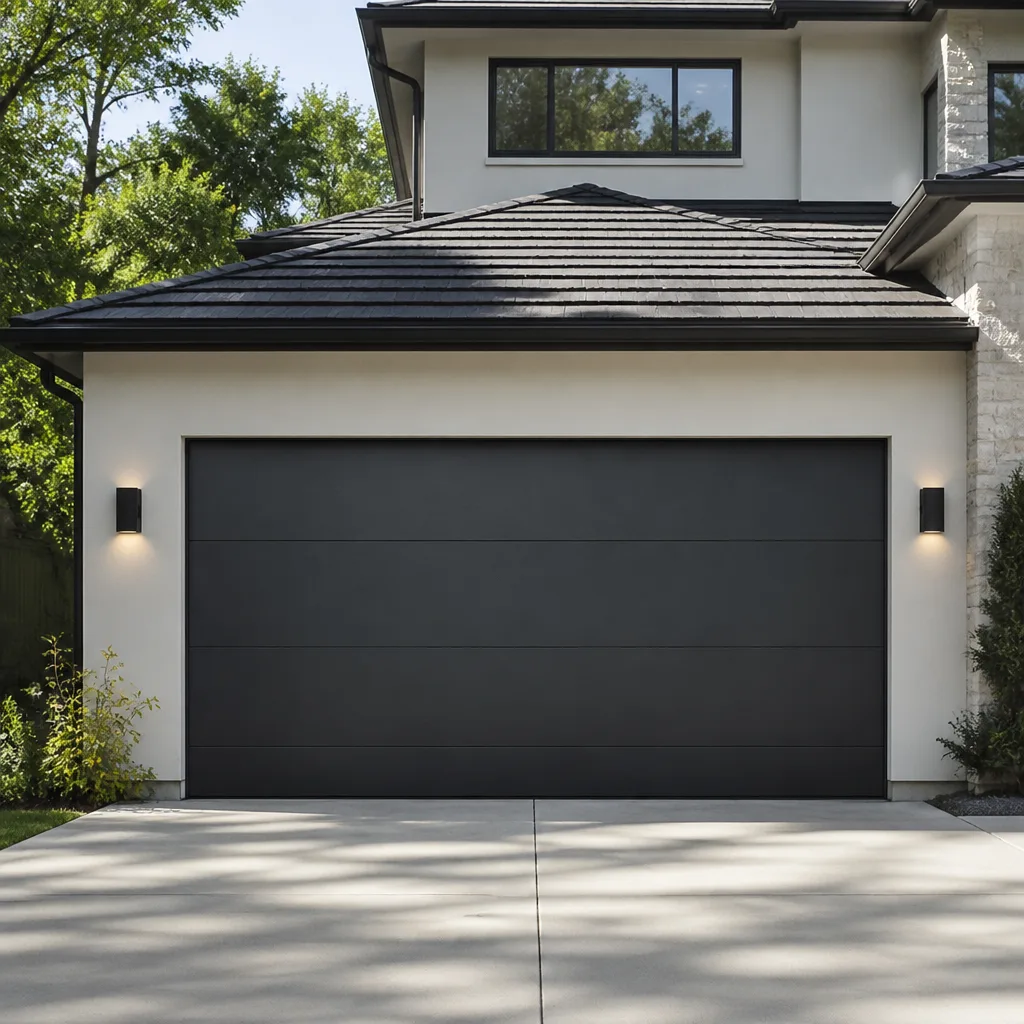 Modern flush
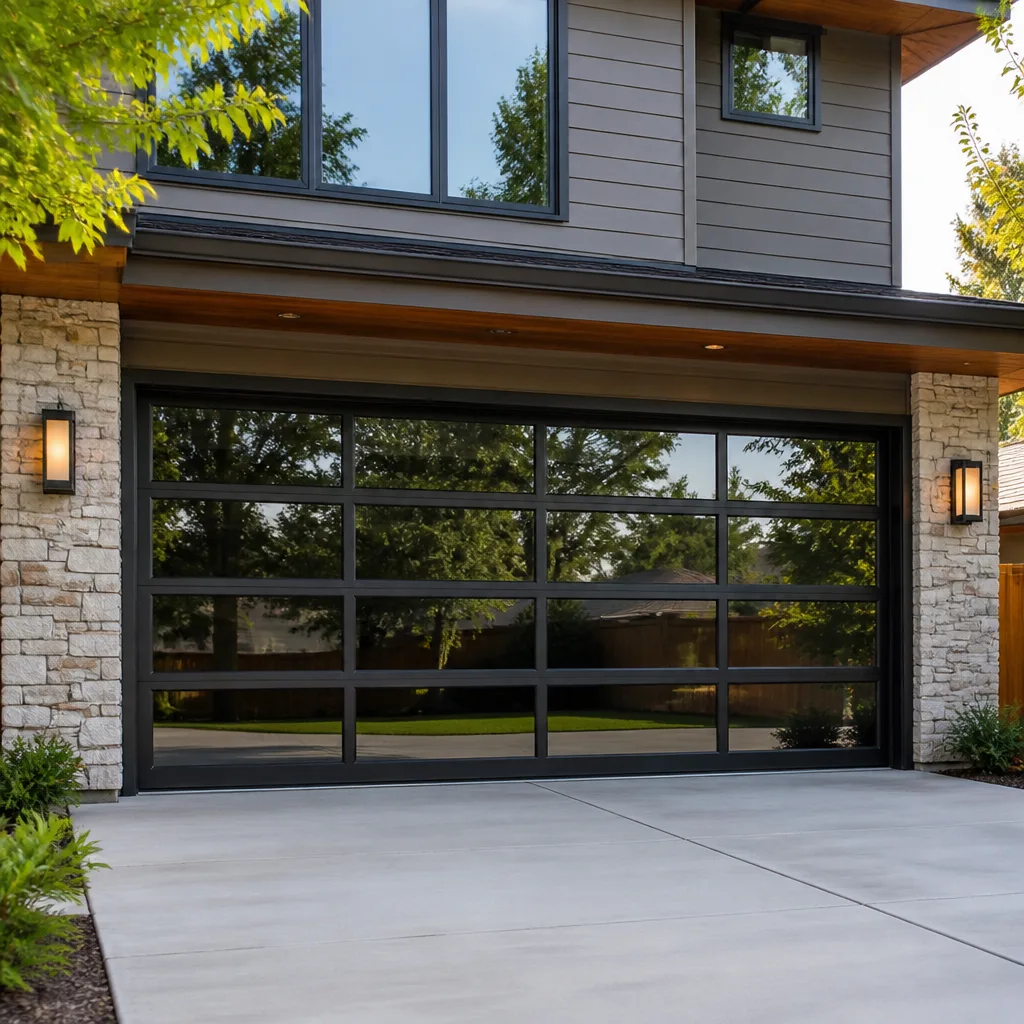 Full-view glass
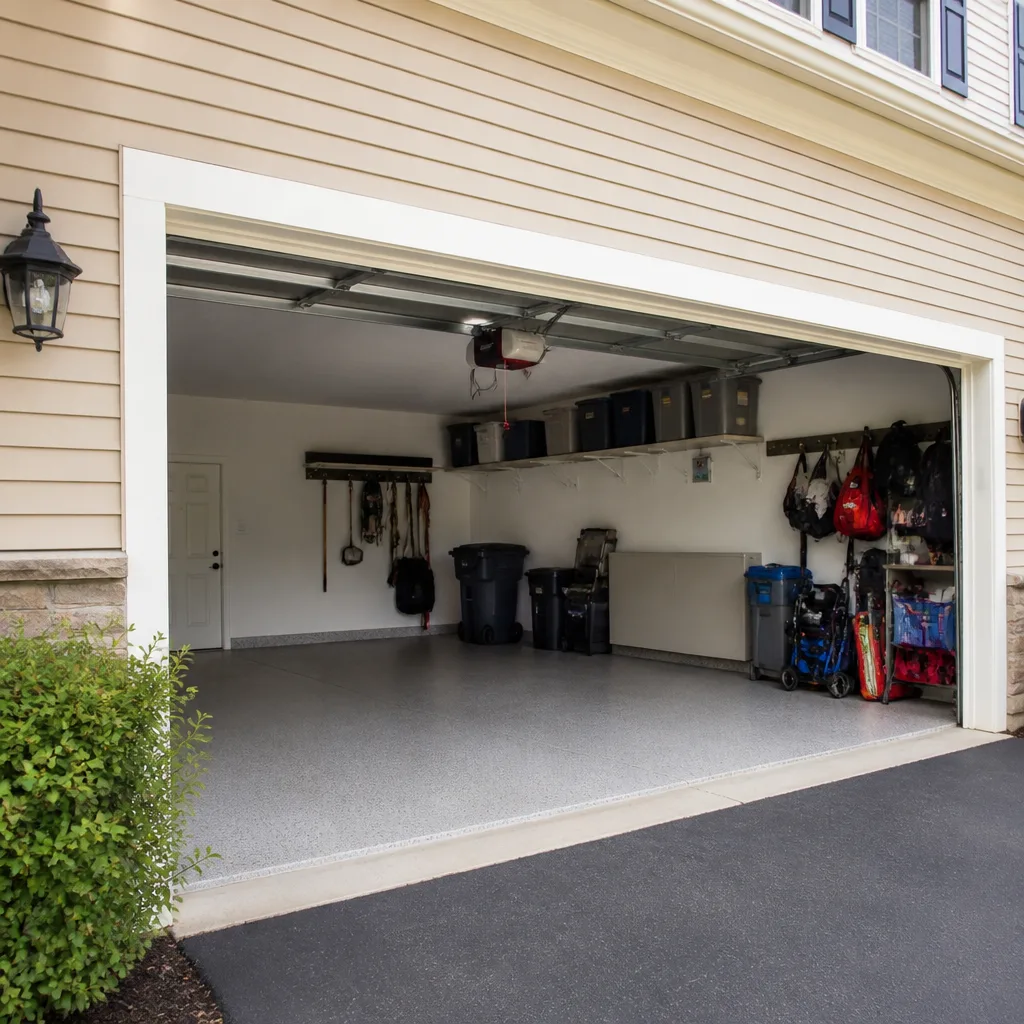 LiftMaster openers
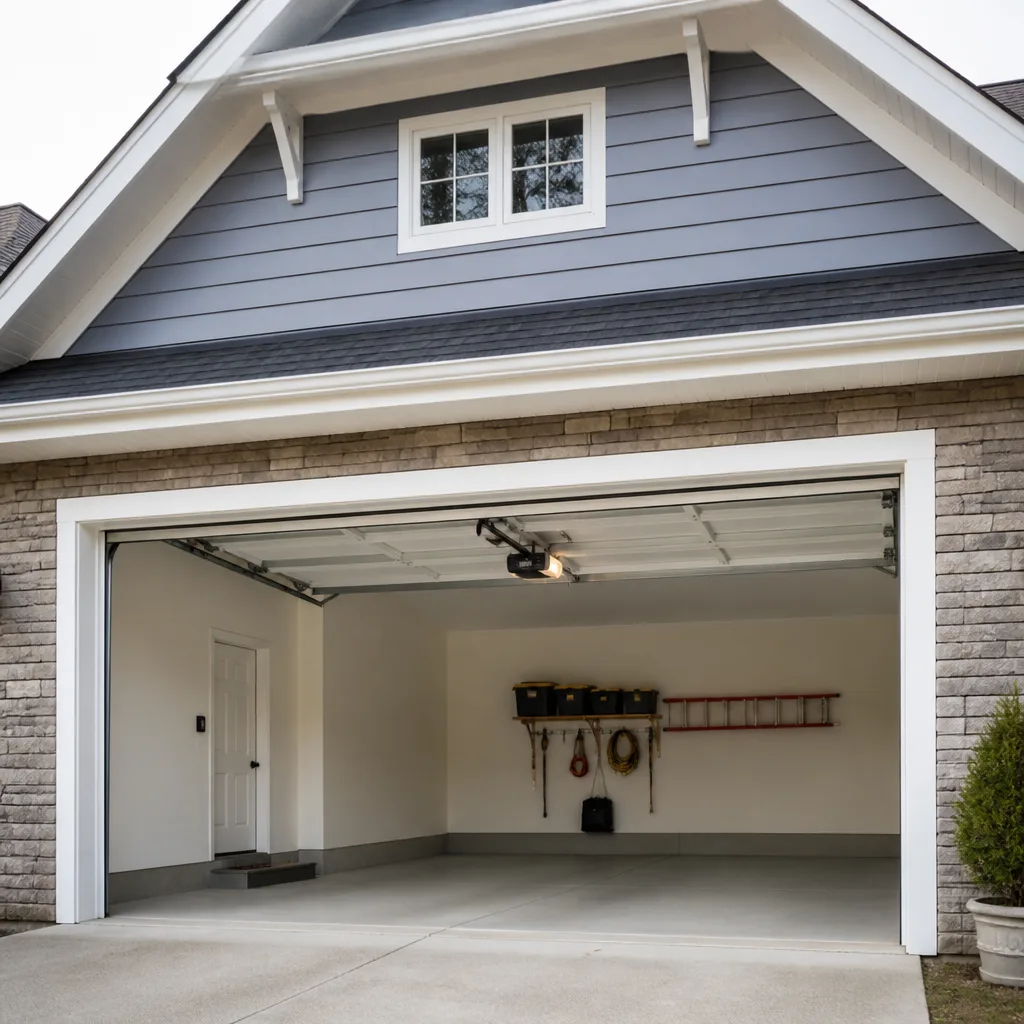 Chamberlain openers
Full 25-point door and opener safety check with every visit - springs, cables, rollers, tracks, and your LiftMaster or Chamberlain opener included
You get a price before we start. It does not change when the pro arrives.
Get your free estimateSeasonal Garage Door Care for Newark: Year-Round Homeowner’s Guide
The most expensive garage door repair we see in Newark doesn’t start with a bang. It starts with a skipped October inspection and ends with a snapped lift cable in February, when the steel is at its most brittle and half the city is calling about the same problem. Cold doesn’t break cables. Neglect does, and cold just finishes the job. Newark’s climate puts garage doors through four distinct stress cycles a year, and each season’s neglect quietly compounds the next season’s bill. In this guide we’ll walk you through what each season actually does to your door, the specific mechanism behind every recommendation, and the one ten-minute task per season that heads off the most common service call of that quarter. Newark homeowners who understand the why tend to spend less than those who only know the what.
Styles & brands we work with
- Raised-panel steel
- Carriage house
- Modern flush
- Full-view glass
- LiftMaster openers
- Chamberlain openers
Quick Answer
Garage doors in Newark need four seasonal checkpoints: a fall cable-and-seal inspection before the first freeze, winter care that frees a frozen bottom seal without straining the springs, a spring corrosion sweep after salt season, and a summer adjustment for humidity-swollen wood and vinyl. Each season’s task protects the component most likely to fail next, and skipping one shifts repair costs into the following season. The ten-minute homeowner checks below catch most problems before they become calls.
Table of Contents
- Fall in Newark: The Cable and Seal Inspection That Prevents January Emergencies
- Winter: Freeing a Frozen Bottom Seal Without Loading the Springs
- Spring: Post-Salt Corrosion Inspection for Hinges, Springs and Track Brackets
- Summer: Humidity, Warped Panels and Swollen Seals
- The Newark Seasonal Maintenance Calendar
- The Ten-Minute Task That Kills Each Season’s Most Common Service Call
- Common Mistakes to Avoid
- When to Call a Professional
- Frequently Asked Questions
Fall in Newark: The Cable and Seal Inspection That Prevents January Emergencies
Fall is the season when Newark garage doors get quietly set up to fail. The temperature swings between warm afternoons and near-freezing nights put the lift cables and cable drums through repeated expand-and-contract cycles. A cable that’s already frayed at the drum or nicked near the bottom bracket doesn’t announce itself. It just weakens a little more each cold night. When it finally goes, it usually goes in the middle of a January cold snap, when the steel is brittle and the phone lines are busiest.
Two components deserve your attention before the first hard freeze: the cable drum assembly and the bottom seal. The drum is where the cable winds and unwinds with every cycle, and it’s where fraying hides. The bottom seal is the rubber strip along the floor; once it hardens in cold weather it stops flexing, and that’s when drafts, water and pests find their way in.
What to check in fall
- Cable condition at the drum. With the door fully closed and the springs relaxed, look at where the cable meets the drum. Fraying, kinks or a cable sitting unevenly in the groove means it needs professional attention. Don’t touch a cable under tension.
- Bottom seal flexibility. Press the seal with your thumb. It should feel supple, not stiff or cracked. A seal that’s gone hard will tear away from the retainer in the first freeze.
- Weatherstrip along the sides and top. Look for gaps where daylight shows through. Cold air moving past the door accelerates condensation and corrosion on the hinges.
- Roller smoothness. Rollers that squeal in fall will seize in winter. A quick listen as the door cycles tells you plenty.
- Balance test. Disconnect the opener and lift the door halfway. It should stay put. A door that drifts down on its own is telling you the springs are losing tension.
If a Clopay or Amarr door on your block has been through several Newark winters, the bottom seal is often the first thing to go – and the cheapest thing to replace before it becomes a water problem. When the inspection turns up something you can’t safely fix yourself, our garage door repair team handles cable, drum and seal work as a routine part of the job.
Winter: Freeing a Frozen Bottom Seal Without Loading the Springs
A door that won’t open on a cold Newark morning is usually not broken. It’s frozen. The bottom seal has bonded to the concrete, and when the opener tries to lift, it pulls against that bond while the springs are already stiff with cold. That’s the moment a tired cable or a worn spring decides to let go. The right response is to break the seal free before the opener ever engages – not to force the door up and hope.
How to free a frozen seal safely
- Disconnect the opener first. Pull the emergency release cord so the door is on manual. This stops the motor from fighting the ice.
- Lift the door by hand from the bottom center. Steady, even pressure. If it won’t budge, stop.
- Warm the seal gently if it’s stuck. A hair dryer on a low setting aimed at the seal-to-floor contact line, moved back and forth, will soften the rubber enough to break the bond.
- Clear ice and snow from the threshold. A stiff broom or plastic scraper, never a metal shovel against the seal.
- Reconnect the opener only after the door moves freely by hand.
What not to do
- Don’t run a heat gun near nylon rollers or plastic hinges. A heat gun concentrates far more heat than rubber needs and will melt or deform nylon components within seconds. The rollers then flat-spot and the door starts jumping the track.
- Don’t pour hot water on the seal. It refreezes into a worse bond within minutes.
- Don’t force the door up with the opener. The motor will keep pulling until something gives, and it’s rarely the ice.
- Don’t chip at the seal with a metal edge. You’ll slice the rubber and create a water channel for the rest of the winter.
If the door still won’t lift by hand after the seal is free, or if you hear a sharp crack when you try, stop and call. Cables and springs under tension are genuinely dangerous, and a trained technician is the only safe way to sort it out. Our garage door opener repair team also handles the motor and drive issues that a forced lift can cause. We answer 24/7, with fast dispatch from 7am to 7pm.
Spring: Post-Salt Corrosion Inspection for Hinges, Springs and Track Brackets
By the time Newark salts its way through a winter, every piece of exposed steel on your door has been bathed in a fine brine mist – road salt kicked up, melted into runoff, splashed onto the bottom panels and the track brackets. Spring is when that salt starts working. Rust doesn’t fail a hinge overnight, but it does stiffen it, and a stiff hinge loads the opener and the springs every time the door cycles. Catching it in April costs far less than replacing seized hardware in July.
The spring corrosion protocol
- Inspect the hinges. Look at the pivot points on each hinge. White or orange powdery residue means corrosion has started. Stiff hinges are a sign the door is being worked harder than it should be.
- Check the spring coils. Torsion springs above the door and extension springs along the sides both collect salt mist. Surface rust on a coil is normal; flaking rust or a visible gap in the coil is not. Never touch a spring under tension – if it’s visibly failing, call.
- Look at the track brackets. The brackets bolted to the wall are where rust and vibration combine. Loose or corroded brackets let the track shift, and a shifted track makes the door drag.
- Wipe down the bottom panel and the track. A damp cloth to remove salt residue, then a light application of a garage-door lubricant on hinges, rollers and the spring coils (not the track itself, which stays clean and dry).
- Cycle the door and listen. Post-lubrication, a door that still groans is telling you something is binding.
Urban air in Newark carries its own load of particulates on top of the salt, and hardware on a Wayne Dalton or Craftsman door that’s seen a few winters tends to show it first on the hinges. If your inspection turns up a seized hinge, a binding roller or a spring that looks tired, that’s the point to bring in a specialist rather than wait for a failure. Our technicians have up to 9 years of experience reading exactly these signs.
Summer: Humidity, Warped Panels and Swollen Seals
Newark summers are humid, and humidity reaches garage doors from both sides. On a wood or wood-composite door, moisture moves into the panel edges and the door can cup or warp out of plane. On any door, the vinyl astragal seal that runs along the bottom swells with absorbed moisture, and the door starts to drag or bind in the last few inches of travel. Neither problem looks dramatic, but both quietly load the opener and the springs all summer long.
How humidity affects different door types
- Wood and wood-composite panels absorb moisture at the edges and the joints, and can cup or bow. A door that won’t sit flush against the weatherstrip in July is usually showing humidity movement, not a track fault.
- Vinyl astragal seals swell and soften, then bind against the floor or the retainer. A swollen seal adds friction to every cycle.
- Steel doors with wood or composite inserts move at a different rate than the frame, so the panel inserts can loosen or rattle.
- Nylon rollers soften in heat and can flat-spot if a door sits in one position for weeks at a time.
The summer adjustment sequence
- Check the door’s fit against the frame. With the door closed, look for uneven gaps at the sides or top. Uneven gaps mean the door has moved out of plane.
- Adjust the bottom seal tension first. A swollen seal can usually be trimmed or replaced; don’t compensate by raising the opener’s force setting, which masks the problem and strains the motor.
- Check the opener’s travel limits. If the door binds in the last few inches, the limit setting may need adjustment once the seal is sorted.
- Inspect the panel inserts on composite doors. Loose inserts should be re-secured before they work free.
- Run the door a few full cycles. Any new noise or hesitation in summer points to a humidity-related bind, not a spring problem.
If you’re not sure whether the door has warped or the track has shifted, that’s a job for a technician with a level and a trained eye. Summer is also a good time to plan ahead for a replacement if a wood-composite door has moved out of shape one too many times – our Newark Garage Door Service team can install a brand-new system correctly from day one, on the same call-out as a repair if that’s what the door needs.
The Newark Seasonal Maintenance Calendar
Here’s the whole year at a glance. Pin this somewhere in the garage.
- Early fall (before first freeze): cable drum inspection, bottom seal replacement if hardened, weatherstrip check, balance test, roller listen. This is the highest-value checkpoint of the year.
- Winter (as needed): free frozen seals by hand before engaging the opener, keep the threshold clear of ice, never force the door.
- Early spring (after last salt): corrosion inspection on hinges, springs and track brackets; clean salt residue; lubricate hinges, rollers and spring coils.
- Summer (mid-season): check the door’s fit against the frame, adjust or replace swollen seals, check opener limit settings, re-secure composite panel inserts.
- Every season: a visual walk-around – look, listen, and feel the door as it cycles. Two minutes catches most of what a technician would find.
If you only do one full inspection a year, make it the fall one. That’s the checkpoint that prevents the January emergency call – and in Newark, the January call is always the busiest.
The Ten-Minute Task That Kills Each Season’s Most Common Service Call
Each season has a single ten-minute task that eliminates the most common call we take in that quarter. None of them require tools beyond a cloth, a lubricant and your own two hands.
Fall: the balance test
Disconnect the opener, lift the door to halfway, and let go. It should stay put. If it drifts down, the springs are weakening, and that’s the number-one cause of “my door won’t stay up” calls in winter. Ten minutes, no tools.
Winter: the manual-release check
Once a week, pull the emergency release, lift the door by hand and listen. A door that binds or grinds by hand will fail on the opener. Catching it by hand is free; catching it after a forced lift is a repair bill.
Spring: the hinge wiggle
Wiggle each hinge by hand. Loose or stiff hinges should be snugged and lubricated. This is the ten-minute task that prevents the seized-hinge service call that shows up every May.
Summer: the seal press
Press the bottom seal with your thumb. If it’s soft and binding, or if the door drags in the last few inches, the seal is the culprit. Ten minutes and a trim or replacement saves an opener strain call in August.
If a task turns up something you can’t safely handle – anything involving cables, springs or the opener’s internal drive – that’s the point to call. We answer 24/7, with fast dispatch from 7am to 7pm, Sunday through Friday.
Common Mistakes to Avoid
- Forcing a frozen door with the opener. The motor keeps pulling until something breaks, and it’s usually the cable or the spring. Always disconnect and lift by hand first.
- Using a heat gun on nylon rollers or plastic hinges. A heat gun will deform nylon in seconds. A hair dryer on low, moved constantly, is the only heat a garage door needs.
- Skipping the fall cable inspection because the door “seems fine.” Cables fail at the drum, out of sight. The door feeling fine today says nothing about February.
- Over-lubricating the track. Track surfaces should be clean and dry; lubricant on the track collects grit and causes binding. Lubricate the hinges, rollers and springs instead.
- Ignoring salt residue on hinges and brackets. In Newark, winter salt quietly stiffens hardware all season. Spring is when you catch it, not summer.
- Raising the opener’s force setting to compensate for a binding door. The setting masks the symptom and strains the motor. Find the bind instead.
- Assuming a wood-composite door that warps in summer is “just how it is.” Humidity movement is real, but a door that won’t sit flush is loading the springs every cycle and should be adjusted or replaced.
When to Call a Professional
Some garage door work is homeowner territory: pressing a seal, wiping salt off hinges, listening to a door cycle. Some is not. If you see a frayed cable, a visible gap or flaking in a spring coil, a door that won’t stay up in the balance test, a door that binds or grinds by hand, or an opener that runs but doesn’t lift, stop and call. Cables and springs are under high tension and can cause serious injury if handled without the right tools and training. Opener internals – the drive, the motor, the safety sensors – are also best left to a technician who can diagnose rather than guess. Newark Garage Door Service offers free estimates in Newark and handles repair, opener work and full installation under one roof – no handoffs, no “we don’t service that brand.” We work on LiftMaster, Chamberlain, Genie, Clopay, Amarr, Wayne Dalton, Craftsman and Raynor systems. Call (866) 942-6834.
Frequently Asked Questions
The fall cable and bottom seal inspection before the first freeze. It’s the checkpoint that prevents the January emergency call, when cold-brittle steel and busy phone lines make every cable failure worse. A door that passes the fall balance test and has supple seals is far less likely to fail mid-winter.
Disconnect the opener with the emergency release cord, then lift the door by hand from the bottom center. If the seal is bonded to the concrete, warm it gently with a hair dryer on low, moving constantly. Never use a heat gun near nylon rollers, and never force the door up with the opener. If the door still won’t lift by hand, call a technician.
Cold makes steel brittle and stiffens rubber seals, so a cable or spring that’s already weakened has less give. The freeze-thaw cycle also bonds the bottom seal to the concrete, which means the opener fights ice on every cold morning. Fall maintenance is what keeps those weaknesses from turning into a January failure.
Twice a year works well in Newark’s climate: once in fall before the cold and once in spring after salt season. Lubricate hinges, rollers and spring coils – not the track, which should stay clean and dry. A door that still groans after lubrication needs a professional diagnosis.
Yes, especially on wood and wood-composite doors. Moisture moves into the panel edges and the door can cup or bow out of plane, which loads the springs and the opener on every cycle. Vinyl astragal seals swell too, adding friction. If your door won’t sit flush in July, it needs adjustment.
You can safely handle seals, cleaning, lubrication and visual checks – the ten-minute tasks in this guide cover most of it. Anything involving cables, springs or opener internals should go to a trained technician. Call (866) 942-6834 for a free estimate. We answer 24/7, with fast dispatch from 7am to 7pm.
The Bottom Line
Newark’s climate puts four distinct stress cycles on your garage door every year, and each one compounds the next if it’s skipped. Fall protects the cables and seals from winter’s cold. Winter care keeps a frozen seal from straining the springs. Spring clears salt before it stiffens the hardware. Summer manages the humidity that warps panels and swells seals. Do the ten-minute task each season and you’ll catch most problems while they’re still cheap. If you find something you can’t safely fix – a cable, a spring, an opener issue – that’s when a specialist earns their keep. Our Newark team is available for free estimates on repair, opener work and installation, and we work on the brands you already own. Call (866) 942-6834. We answer 24/7. Fast dispatch from 7am to 7pm, Sunday through Friday.
Written by the team at Newark Garage Door Service.
See the difference
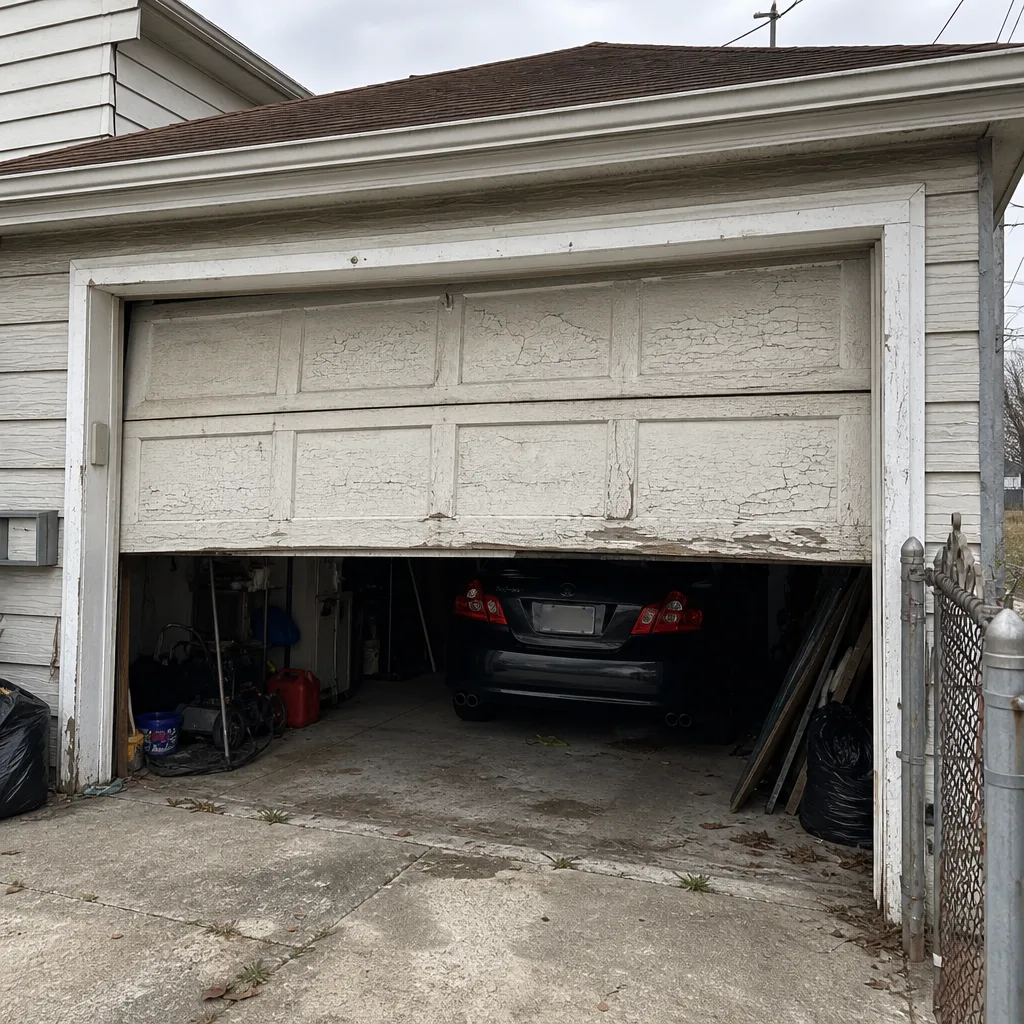 Before
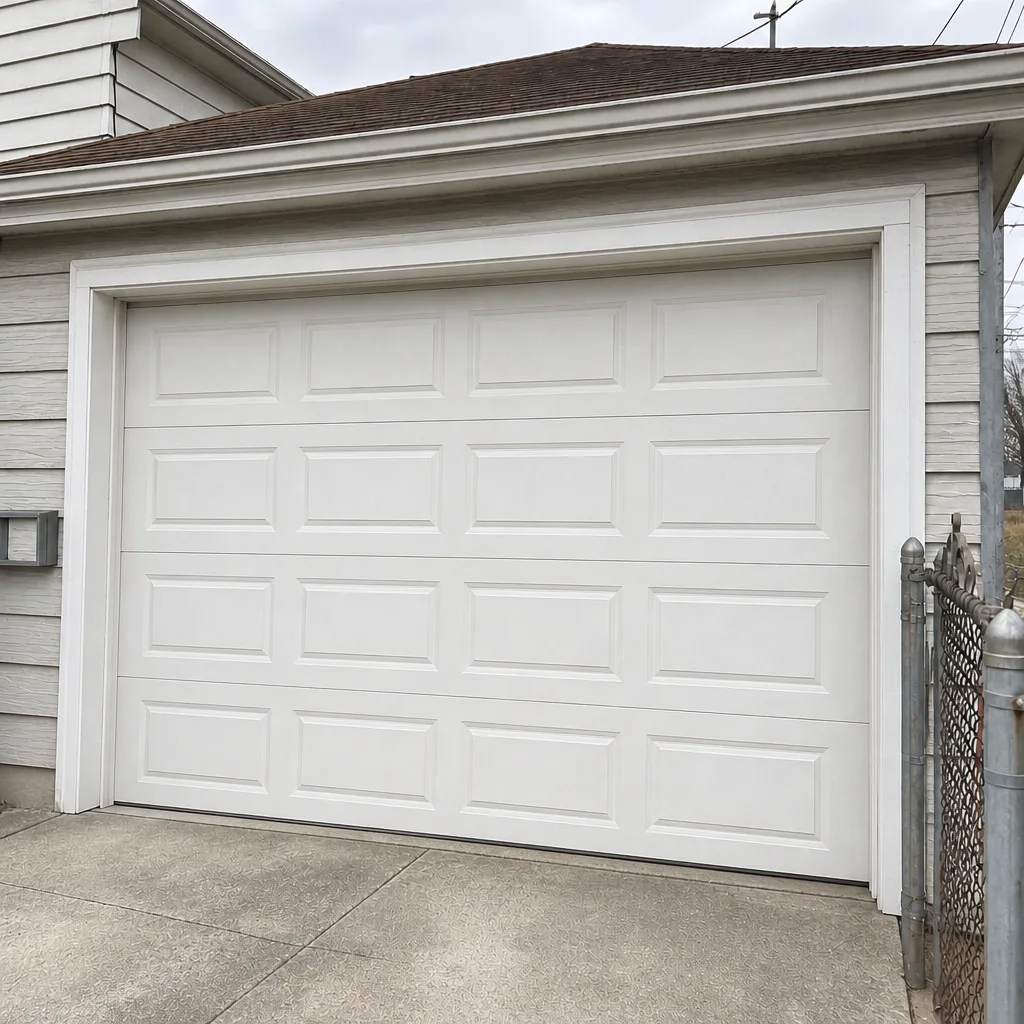 After
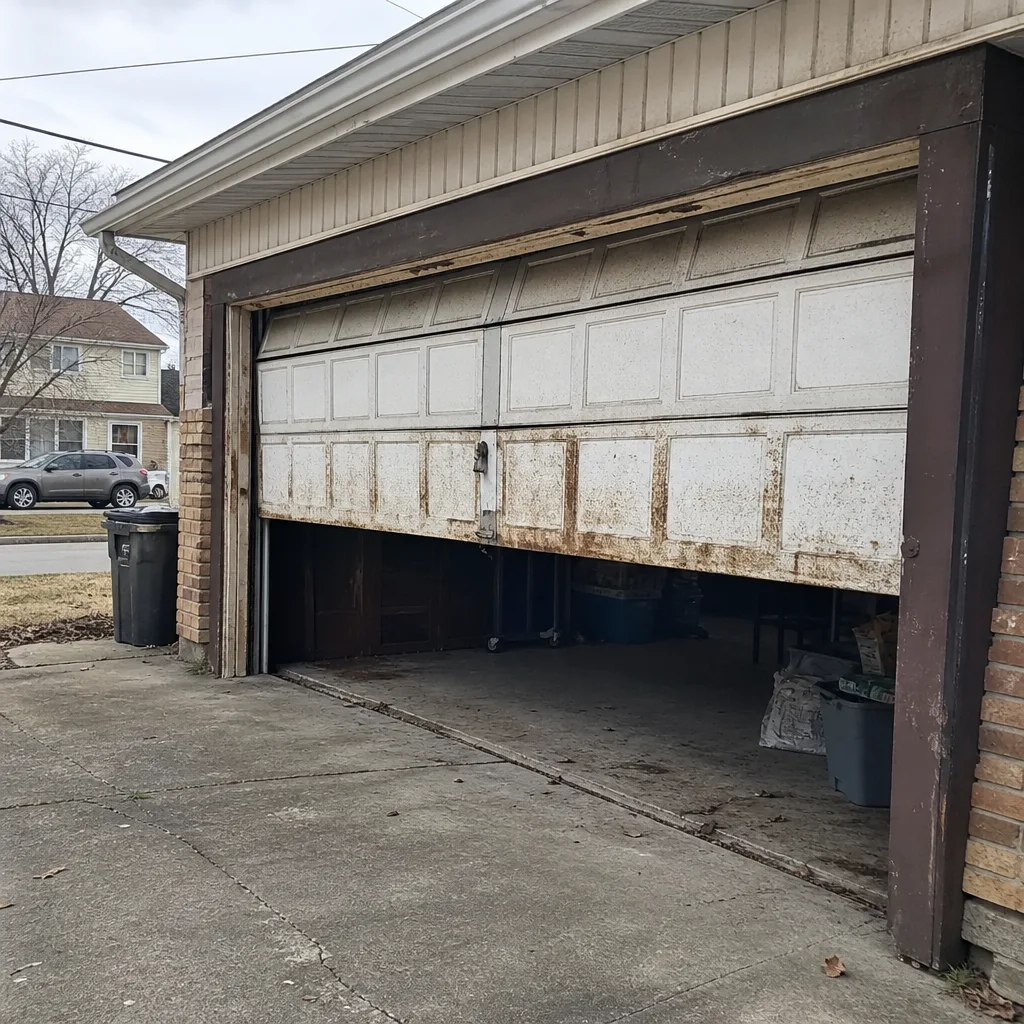 Before
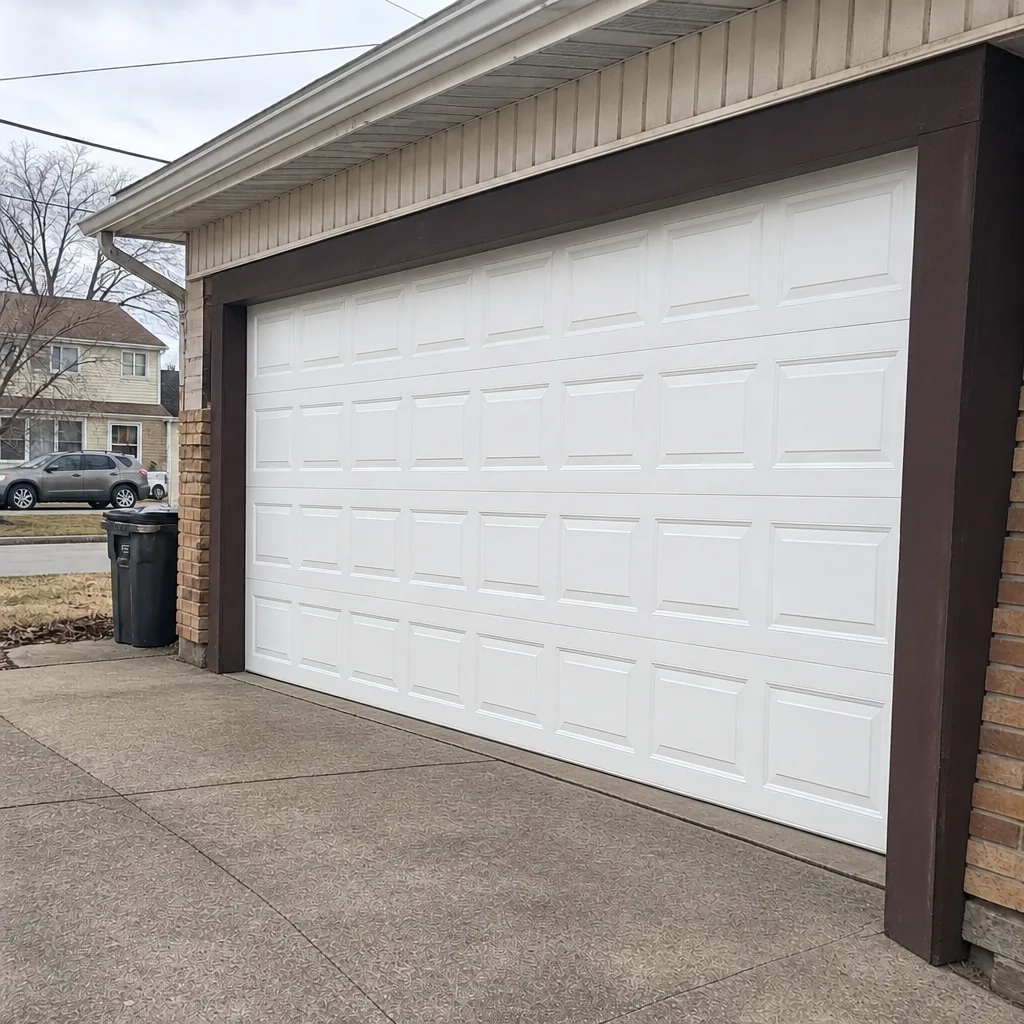 After
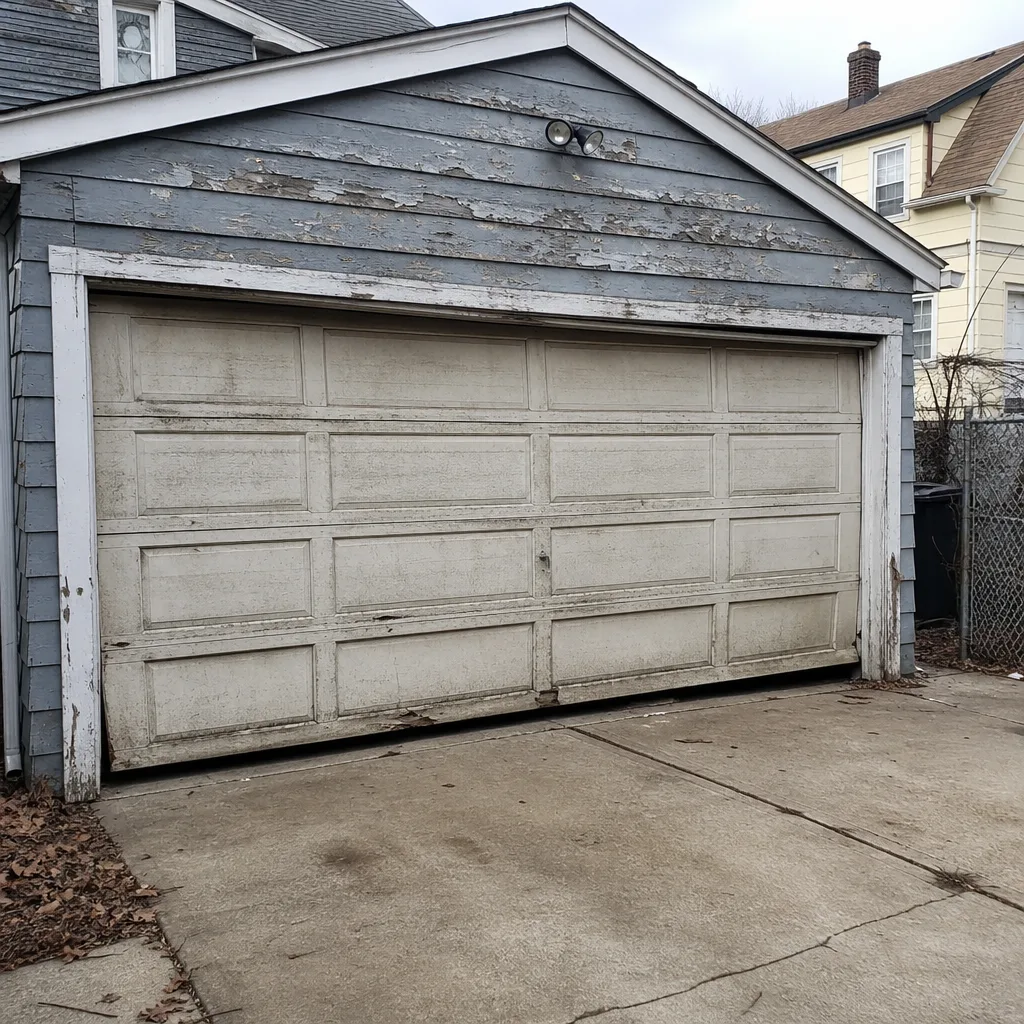 Before
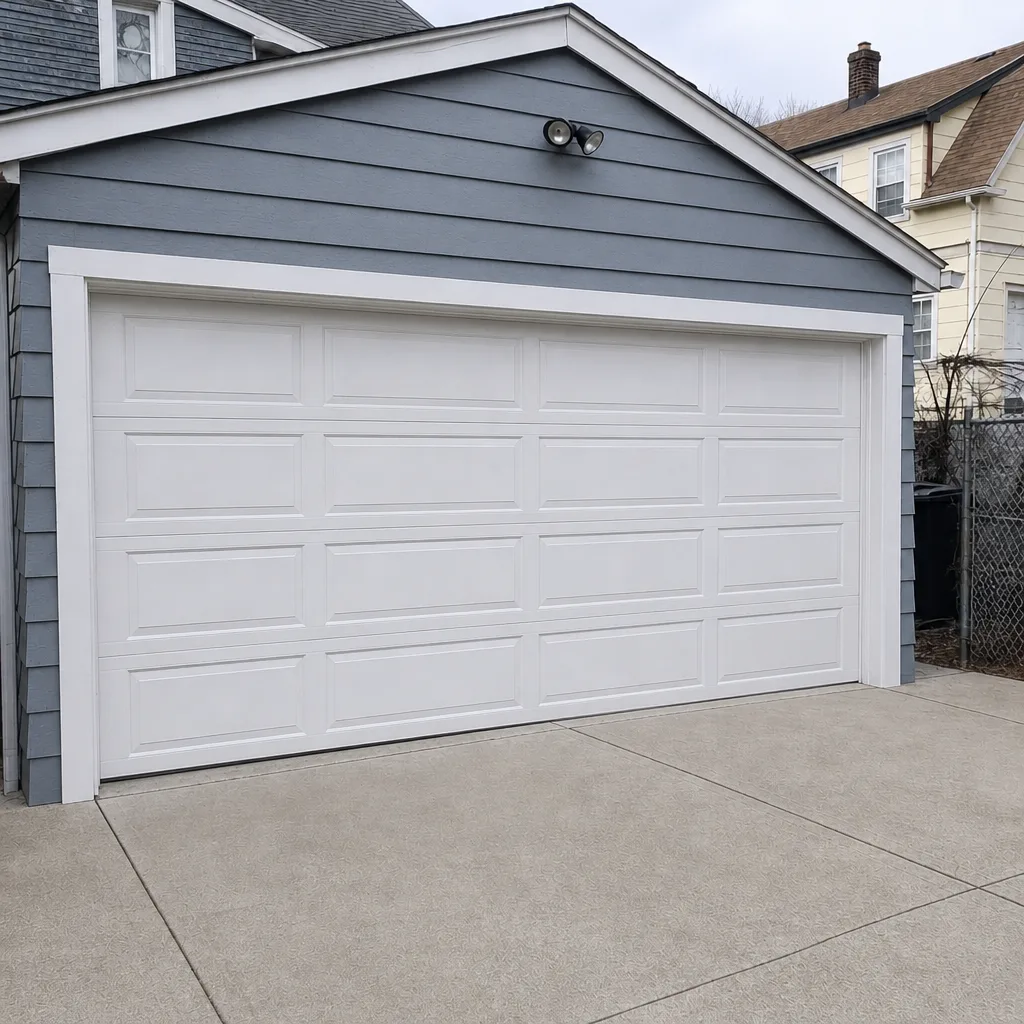 After