
Last updated November 14, 2026
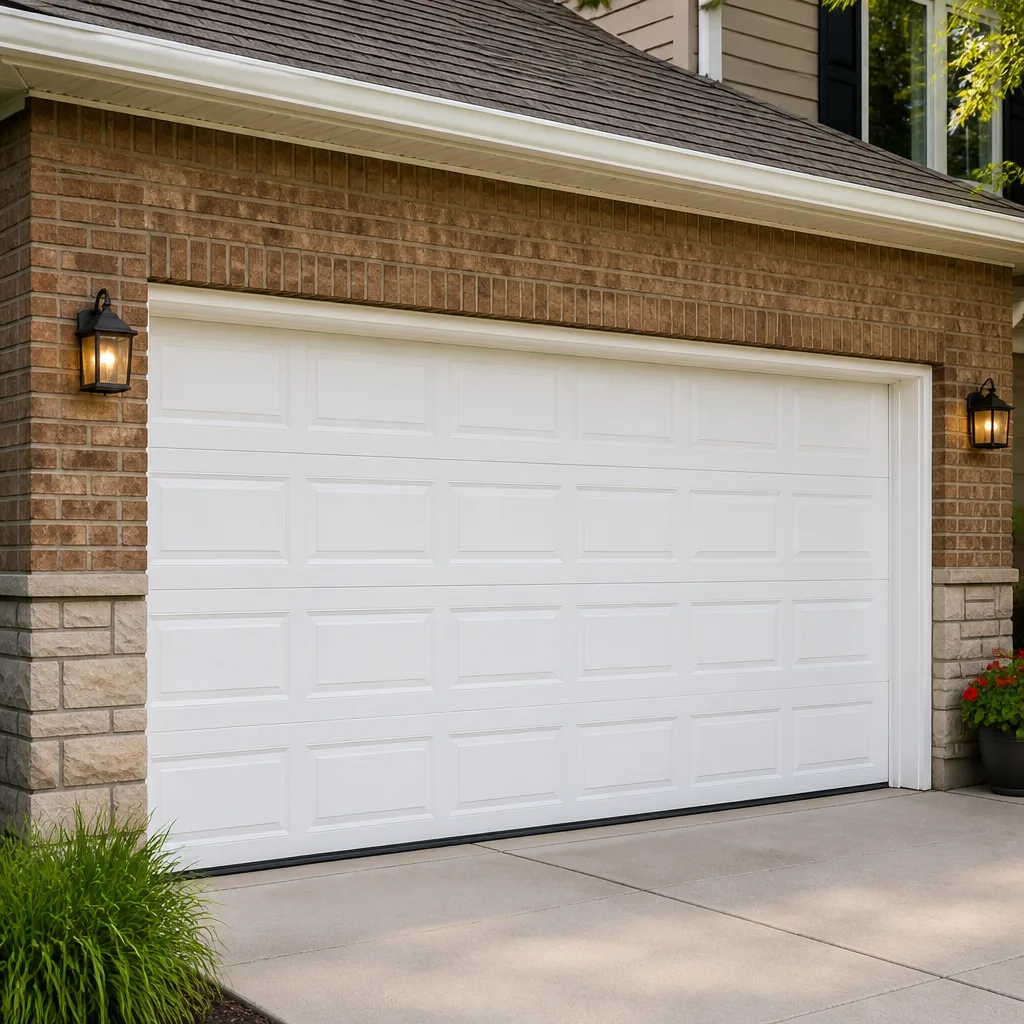 Raised-panel steel
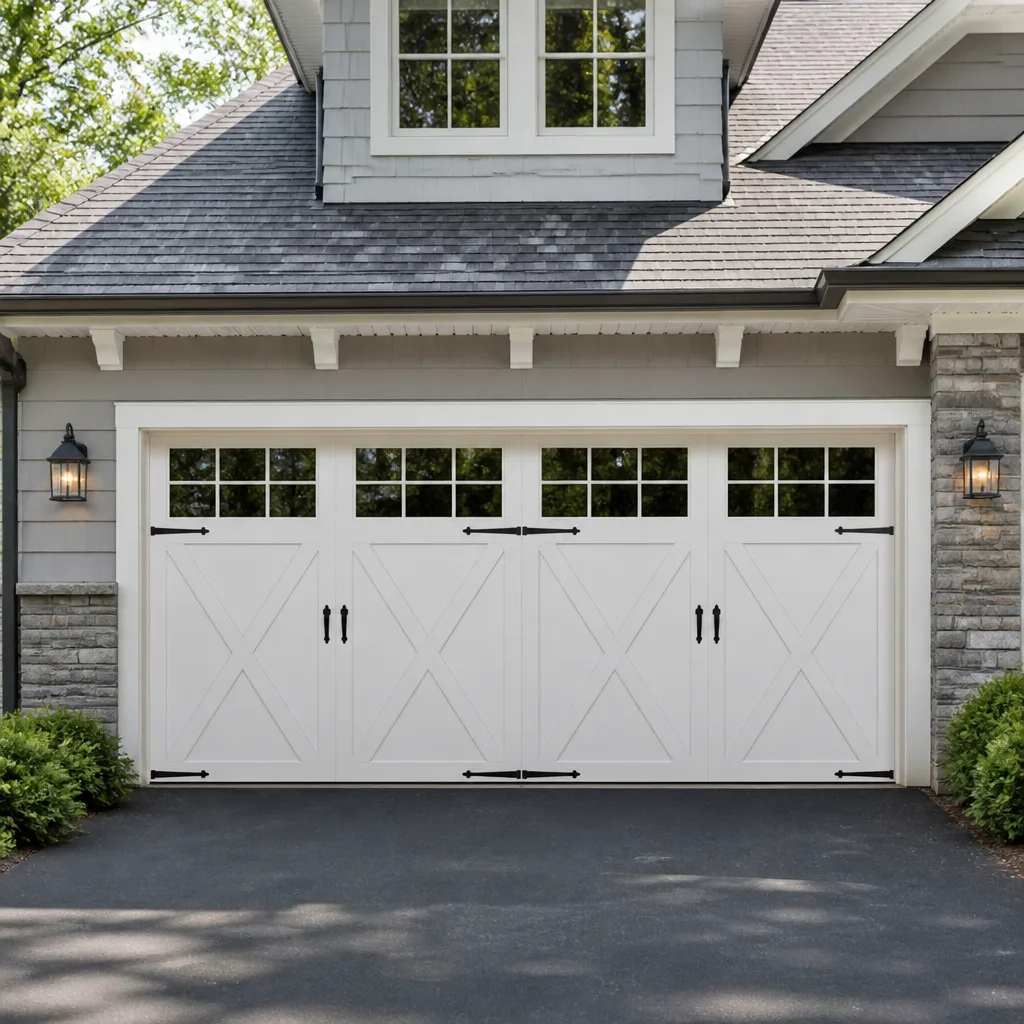 Carriage house
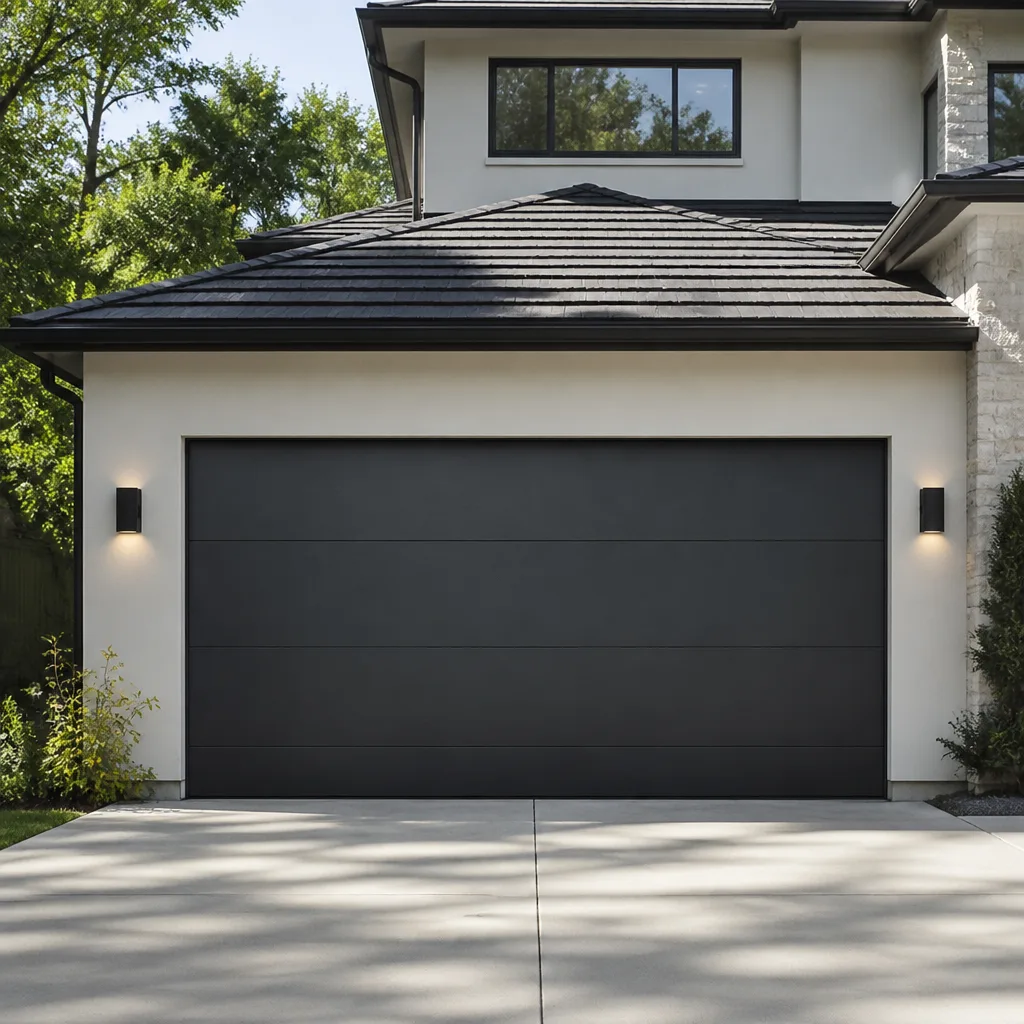 Modern flush
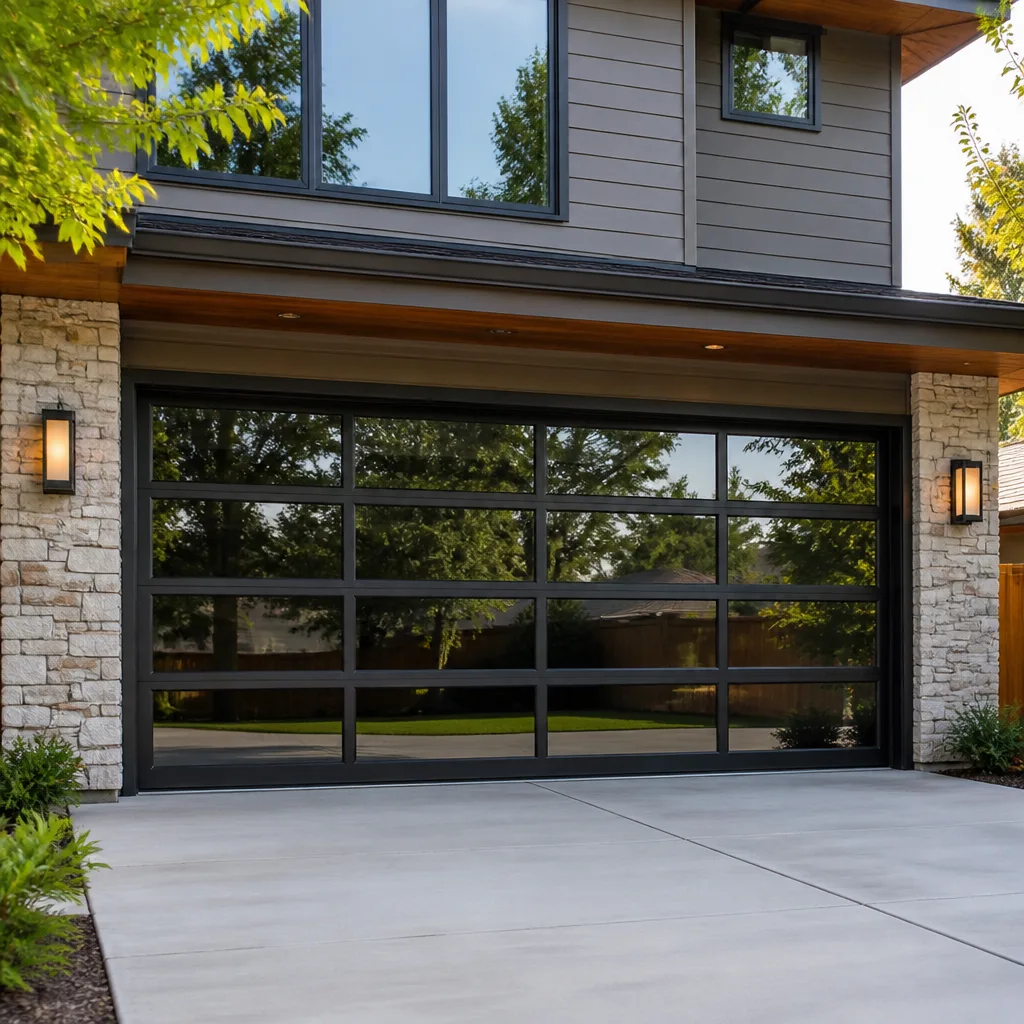 Full-view glass
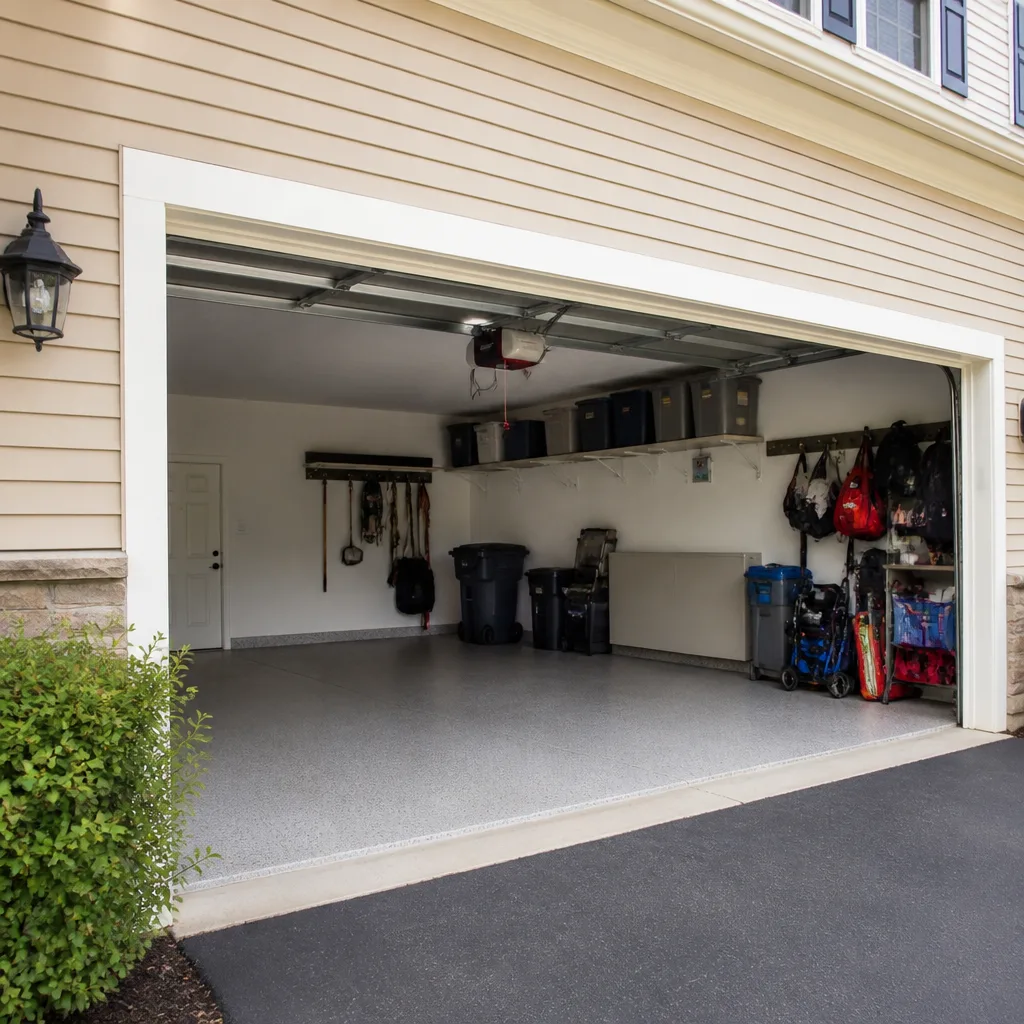 LiftMaster openers
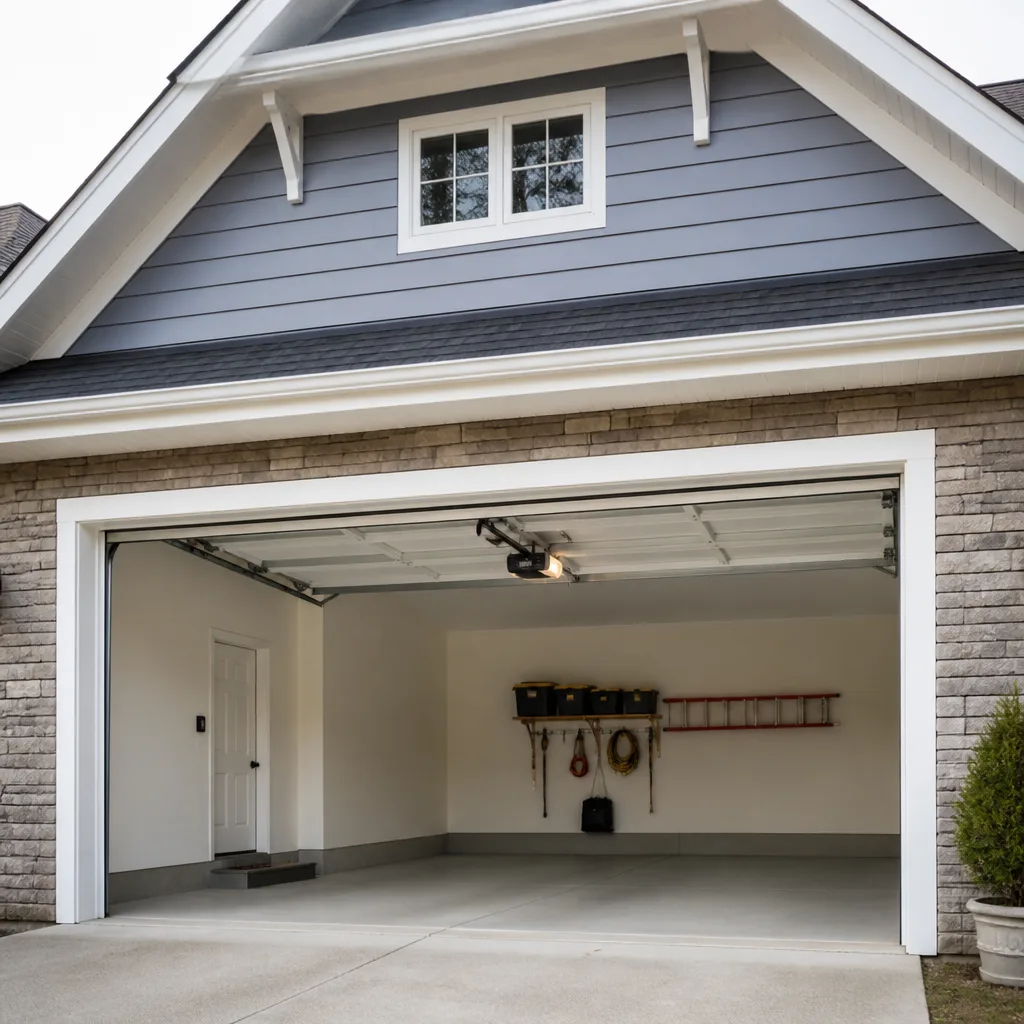 Chamberlain openers
Full 25-point door and opener safety check with every visit - springs, cables, rollers, tracks, and your LiftMaster or Chamberlain opener included
You get a price before we start. It does not change when the pro arrives.
Get your free estimateGarage Door Permits, Codes & Inspections in Newark, NJ: What You Need to Know
Most Newark homeowners assume replacing a garage door always means a permit, an inspection, and a pile of paperwork. It usually doesn’t. A straight door-for-door swap on an existing opening is treated as routine work in most cases. But the exceptions are where people get stuck: changing the size of the opening, adding a powered operator to a manual door on a newer structure, or touching the header almost always crosses into permit territory. This guide draws that line for Newark, explains what the New Jersey Uniform Construction Code requires for automatic openers on attached garages, and shows you where an unpermitted modification can surface at the worst possible time: during a home sale.
Quick Answer
In Newark, a garage door replacement that keeps the same opening size and doesn’t touch the header is generally treated as routine repair and doesn’t trigger a building permit. Work that changes the opening, modifies the header, or adds an automatic operator to a manual door on a newer attached garage may require a permit under New Jersey’s Uniform Construction Code, and any opener install on an attached garage must include working photoelectric sensors. When in doubt, call Newark’s building department before the work starts. It’s a short call that can save you a closing delay later.
Styles & brands we work with
- Raised-panel steel
- Carriage house
- Modern flush
- Full-view glass
- LiftMaster openers
- Chamberlain openers
Table of Contents
- When Does a Garage Door Project Need a Permit in Newark?
- What the NJ Uniform Construction Code Requires for Openers
- What Counts as Permit-Exempt Work
- How an Unpermitted Modification Surfaces During a Title Search
- The Inspection Sequence for Permitted Work
- HOA Overlays in the Ironbound and Forest Hill
- How Newark’s Climate Affects the Work
- Frequently Asked Questions
When Does a Garage Door Project Need a Permit in Newark?
The dividing line is simple in concept and slippery in practice. Newark’s building department, like most across Essex County, treats a garage door as a component of the building envelope. Replacing that component within an unchanged opening is generally routine maintenance. Changing the opening itself is construction, and construction needs a permit.
Here’s how the line usually falls:
- Door-for-door replacement, same dimensions: Typically no permit. You’re swapping a like-for-like panel or complete door into an opening that already exists and was already approved.
- Changing the opening’s width or height: Almost always a permit. You’re altering the structural rough opening and the header above it.
- Modifying or replacing the header: Permit required. A header carries load. Any change to its size, spacing, or connection point is structural work.
- Adding an automatic operator to a manual door on a newer structure: Frequently triggers a permit, especially on an attached garage where the electrical and life-safety requirements come into play.
- Converting a garage to living space or sealing the opening: Permit required with plans. This is a scope change, not a door replacement.
We flag the “newer structure” piece because it catches people. Older Victorian-era garages around parts of Newark were built before powered openers existed, and adding one is treated with more flexibility. A newer attached garage may already have an opener circuit and safety provisions on the approved plans, so adding an operator without a permit can look like an unapproved change to the original permit file.
One more thing: the line above is a description of how these projects usually fall, not a code ruling. Permit offices apply judgment. The only definitive answer for your specific property comes from Newark’s building department, and it’s worth asking before you book the work.
What the NJ Uniform Construction Code Requires for Openers
If your project involves an automatic operator on an attached garage, the New Jersey Uniform Construction Code applies, and the requirement we see misunderstood most often is the photoelectric sensor mandate. Every automatic opener on an attached garage must have functioning photoelectric safety sensors at the opening that reverse or stop the door when the beam is broken.
What that means in practice:
- Sensors must be present and working. If your existing opener runs without them, it’s out of compliance with current safety expectations, and any permitted install or change should bring it into line.
- They must be mounted at the right height, aimed correctly, and wired in. Sensors knocked out of alignment during a door replacement are a common reason a freshly installed system refuses to close.
- The manual release and entrapment protection requirements apply too. A powered door needs a working manual disconnect so it can be opened by hand if the operator fails.
- Electrical work must be done by someone licensed for it. Running a new circuit to an opener on an attached garage is electrical work, and it’s not a job a door installer should improvise.
The brands we work on most in Newark – Clopay, Amarr, Wayne Dalton, Craftsman – all ship with sensor kits designed to meet these requirements, and LiftMaster and Chamberlain openers are built around the same photoelectric logic. The hardware side is rarely the problem. Alignment, wiring, and whether the install is documented on a permit is where things go wrong.
Our garage door opener repair technicians deal with sensor and safety-reversal issues constantly. If you’re unsure whether your current opener meets the photoelectric requirement, that’s a quick inspection, and it’s the kind of thing a home inspector or municipal inspector will check too.
What Counts as Permit-Exempt Work
Most of the calls we get in Newark fall on the exempt side of the line. That’s worth saying plainly, because the fear of permits stops people from fixing a door that’s been dragging for months. Routine repair and like-for-like replacement are the bread and butter of garage door work and don’t normally involve the building department at all.
Work that’s usually permit-exempt:
- Replacing a broken spring or springs (a trained job, never a DIY one – more on that below).
- Replacing worn rollers, hinges, or the bottom seal.
- Replacing a bent section or panel within an existing door.
- Swapping a complete door for one of the same size and configuration.
- Repairing or replacing an opener motor, drive, remote, or smart-hub component on a system that already has an operator.
- Adjusting the door’s balance, travel limits, or safety reversal on an existing install.
The spring point deserves a hard safety note. Torsion springs are under enormous tension, and the cables under them store energy that can cause serious injury if released carelessly. There’s no safe way to handle a broken spring without the right winding bars and technique. This is genuinely a job for a trained technician, and we’d say that even if you weren’t calling us.
Our garage door repair work covers this exempt territory every day, and it’s a good fit for it: a broken spring, a door off its track, or an opener that won’t reverse is diagnosed and fixed on its own terms, without pushing a replacement you don’t need.
How an Unpermitted Modification Surfaces During a Title Search
This is the part people don’t think about until it bites them. When you sell a home in Newark, the buyer’s title company and the municipal code enforcement office can cross-check permit records against what’s actually on the property. A garage door that was replaced at a different size, a header that was modified, or an opener added on a newer attached garage without documentation can show up as an open permit or an unapproved change.
What that looks like in practice:
- The title search flags a discrepancy. The municipal file shows an original opening size or an approved plan that doesn’t match what’s built.
- The buyer’s attorney asks for proof. They want a permit, a certificate of approval, or a letter from the town confirming no permit was required.
- The closing stalls while you sort it out. Remediation can mean retroactive permits, additional inspection, and in some cases opening up the work so it can be verified.
Doing it right initially is almost always the cheaper path. A permit is a modest cost next to the fees, inspections, and holding costs that come with a stalled closing. A straight door-for-door replacement, on the other hand, typically needs no documentation at all, which is the strongest argument for keeping the opening size unchanged unless you have a real reason to alter it.
If you’re already in a situation where a modification needs sorting out, it helps to talk to the building department first and understand exactly what they want to see. Then call us. We can walk the property, tell you what’s physically there, and help you plan the work around whatever the town requires.
The Inspection Sequence for Permitted Work
If your project does require a permit, the sequence is predictable, and knowing it takes the anxiety out of the process. A permitted garage door or opener install typically follows these steps:
- Apply for the permit. Usually filed by the contractor doing the work, with the scope described clearly. Same-size replacement, header modification, and opener addition are described differently on the application.
- Get the permit issued and posted. Newark’s permit office reviews the application and issues the permit. It should be visible on site while work is happening.
- Install the work. The door goes in, the opener gets wired and mounted, and the sensors get aimed and tested.
- Request the inspection. Once the install is complete, the contractor requests the inspection. The inspector checks the opening, the header if it was touched, the door’s operation, and the opener’s safety features.
- Pass inspection and close the permit. The certificate of approval is issued, and the permit file is closed. This is the document your title company will want to see at sale.
What does the inspector actually check? In our experience, the focus is on what’s visible and testable: the structural opening, the door’s safe operation, the photoelectric sensors’ function and mounting, and the manual release. For opener installs on attached garages, the safety reversal test is standard. It’s not a mystery process. A clean install that meets the UCC requirements passes without drama.
Timelines vary, and we don’t promise a schedule we can’t control. Newark’s permit office sets its own review and inspection windows. What we can do is submit a complete, accurate application the first time so nothing gets bounced back for missing information, and stay on the inspection booking once the work is done.
HOA Overlays in the Ironbound and Forest Hill
Municipal code isn’t the only rulebook in parts of Newark. Some neighborhoods carry HOA or historic-district overlays that add requirements on top of what the building department asks. The Ironbound and Forest Hill are the two areas where we hear about this most often.
What an HOA or overlay can add:
- Approval for door style and color. A modern raised-panel door may be fine by the town and out of step with a neighborhood’s design guidelines.
- Historic or character rules. Some overlays restrict visible changes to the street-facing elevation, which can mean reinstating a specific panel pattern or finish.
- Notification requirements. Some HOAs require notice before exterior work, even when the town doesn’t.
This is where choosing the right door matters as much as installing it legally. Working with a brand like Amarr or Clopay gives you a broad enough panel and finish range to match a design guideline rather than fight it. If the overlay says your door has to look a certain way, there’s usually an off-the-shelf configuration that gets you there.
Before you order, check whether your block has an HOA or historic overlay, and get any required approval in writing. We can tell you what’s physically on the door now, so you can present an accurate “before” to whoever reviews the request.
How Newark’s Climate Affects the Work
Newark’s weather is hard on garage doors in a way that catches transplants off guard. Cold winters with repeated freeze-thaw cycles, hot humid summers, and frequent rain and snowmelt working into the bottom seal all take a toll. None of that changes the permit question, but it does shape what a good install looks like.
- Freeze-thaw movement. Doors that bind seasonally are often a sign the tracks or the opening itself have shifted with the ground. A door replacement done in January that doesn’t account for summer expansion is a recurring headache.
- Moisture at the bottom seal. Water and road grit collect at the threshold, and a well-fitted bottom seal is the first line of defense against rot and water intrusion.
- Humidity and opening hardware. Repeated humidity cycles stress hinges and rollers. Using the right grade of hardware for the door’s weight and the local climate is part of doing the job correctly.
- Wind and impact. The occasional strong storm can dent a light-gauge door. Heavier-gauge steel panels hold up better, and we recommend them often for Newark properties.
If a door replacement gets you a permit, the inspection happens once, but the install has to hold up for years after. That’s the argument for measuring carefully and choosing hardware and panels that suit the climate, not just the price tag.
Frequently Asked Questions
Usually not, if the replacement keeps the same opening size and doesn’t touch the header. A door-for-door swap of the same dimensions is generally treated as routine repair. If you’re changing the opening, modifying the header, or adding an operator on a newer attached garage, plan on a permit and confirm with Newark’s building department first. Call (866) 942-6834 for a free estimate on the work itself.
Yes. Any automatic operator on an attached garage must have working photoelectric sensors at the opening, plus a functional manual release. That’s the requirement we see missed most often when homeowners inherit an older opener from a previous owner. Our garage door opener repair technicians check sensor function and alignment on every opener call. Call (866) 942-6834 to book an inspection – estimates are free.
The title search can flag it, and the buyer’s attorney will ask for proof the work was done legally. That can stall a closing while retroactive permits, inspections, and corrective work get sorted out. Fixing it right the first time is nearly always cheaper than remediating under time pressure. If you’re uncertain, call us at (866) 942-6834 – a free estimate will tell you what’s physically there and what’s needed.
We can’t set a timeline, because Newark’s permit office controls its own review and inspection windows. What we do control is submitting a complete, accurate application the first time and staying on the inspection booking once the work is finished, so nothing sits incomplete. Call (866) 942-6834 to talk through your project and get a free written estimate before you apply.
Very likely, yes. We work on the brands that cover nearly every residential door and opener in Newark: LiftMaster, Chamberlain, Genie, Clopay, Amarr, Wayne Dalton, Craftsman, and Raynor. Our technicians have up to 9 years of experience and are trained to match parts to your existing system rather than pushing a replacement. Call (866) 942-6834 for a free estimate.
They’re state-licensed and insured. Every job is quoted and agreed in writing before any work starts, so you know the price before the first tool comes out of the bag. Estimates are free. Call (866) 942-6834. We answer 24/7, with fast dispatch from 7am to 7pm.
See the difference
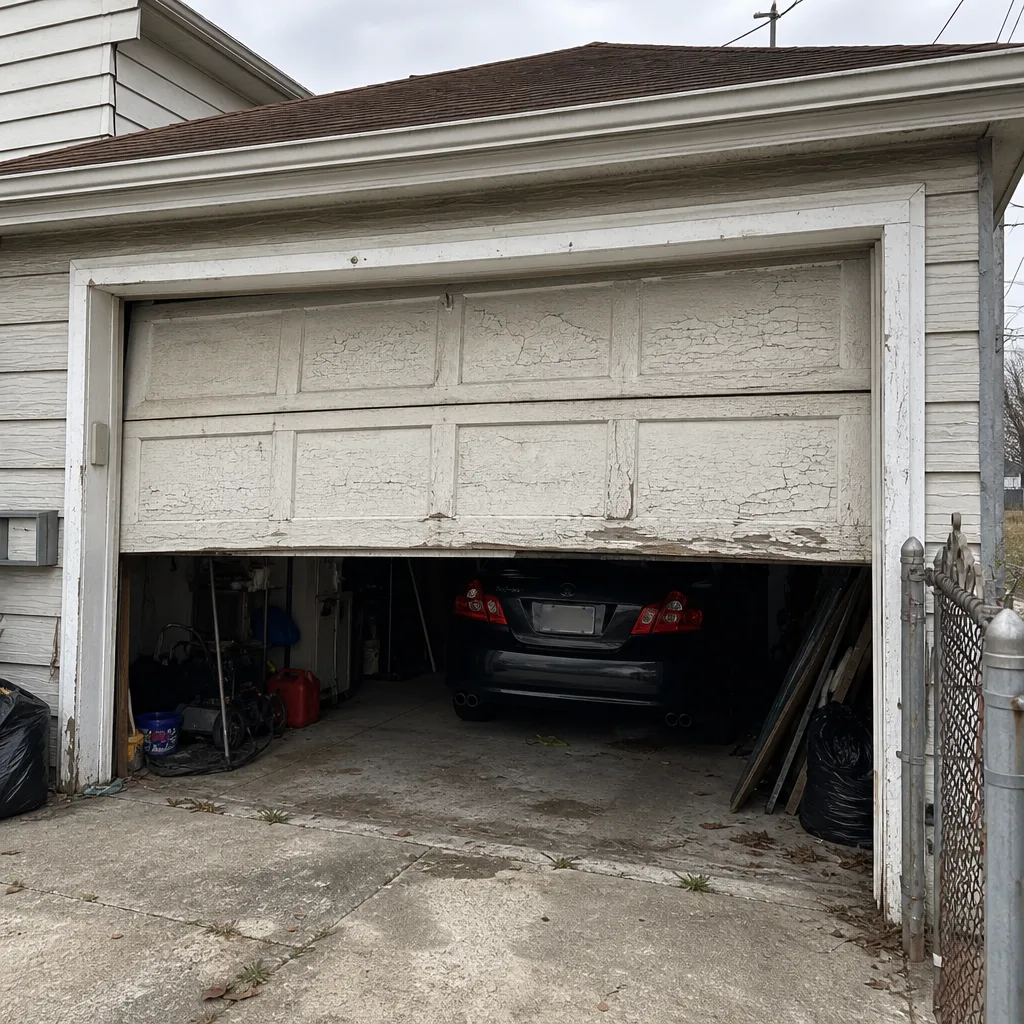 Before
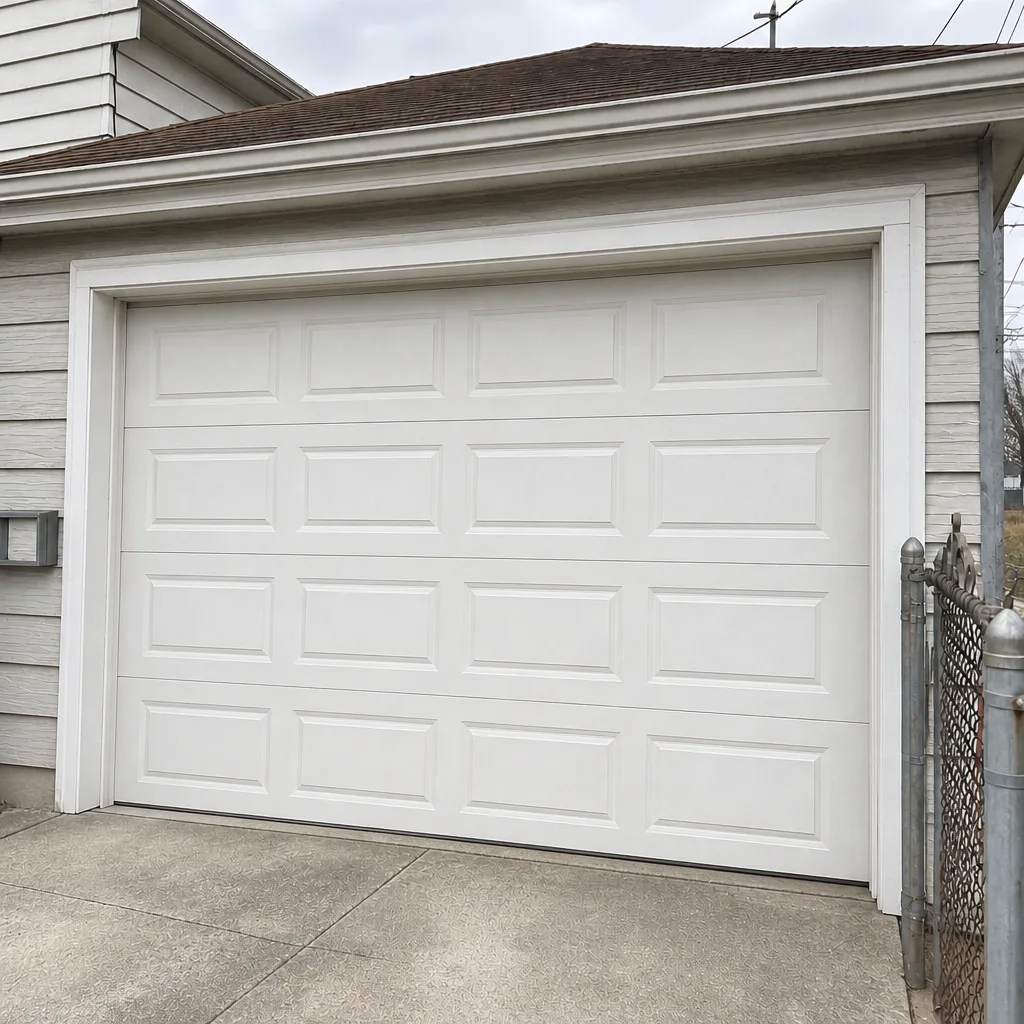 After
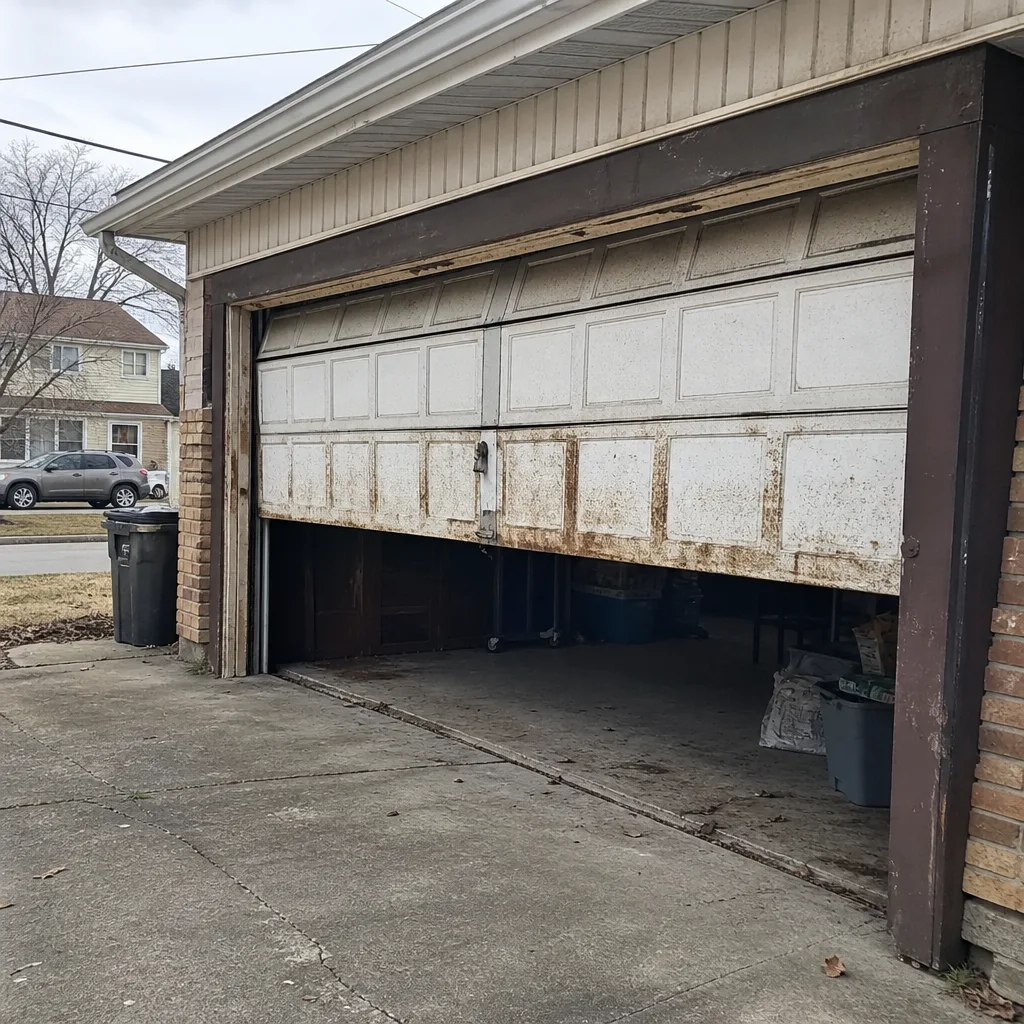 Before
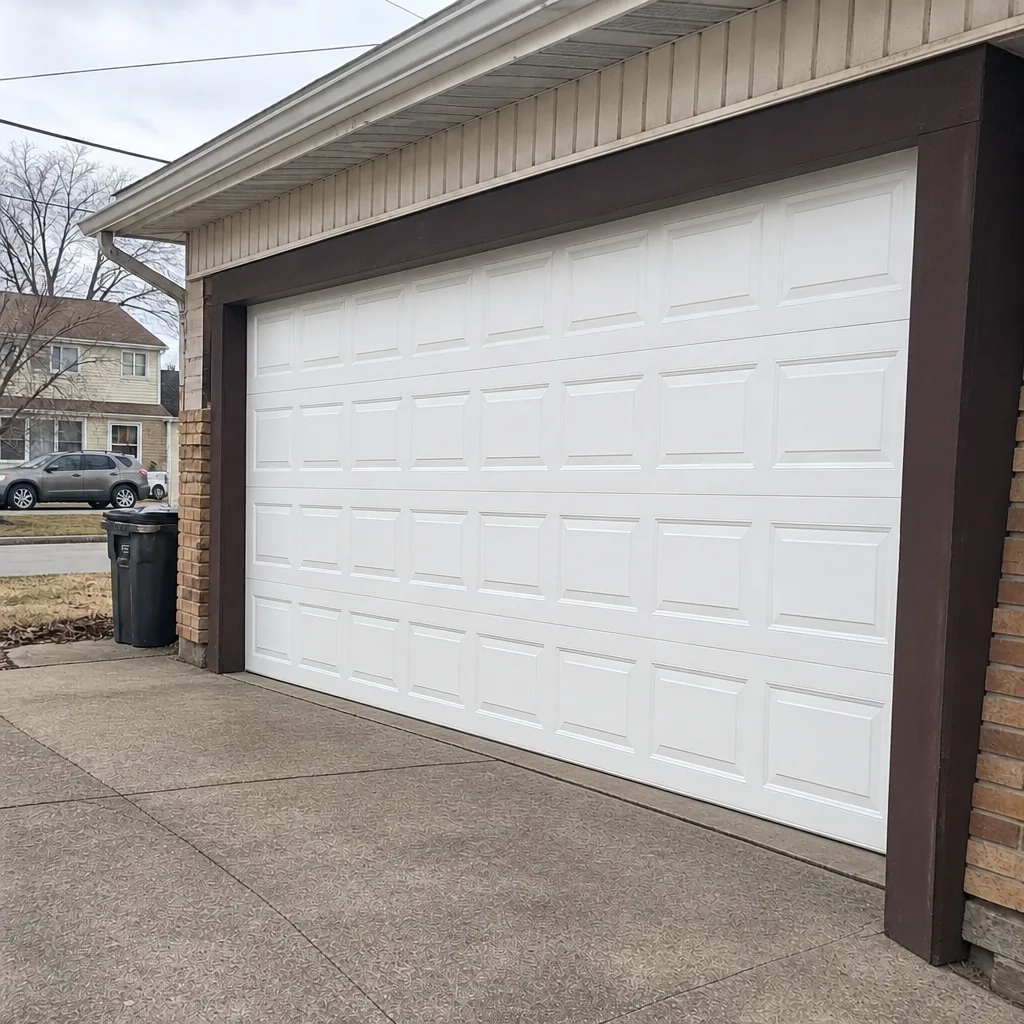 After
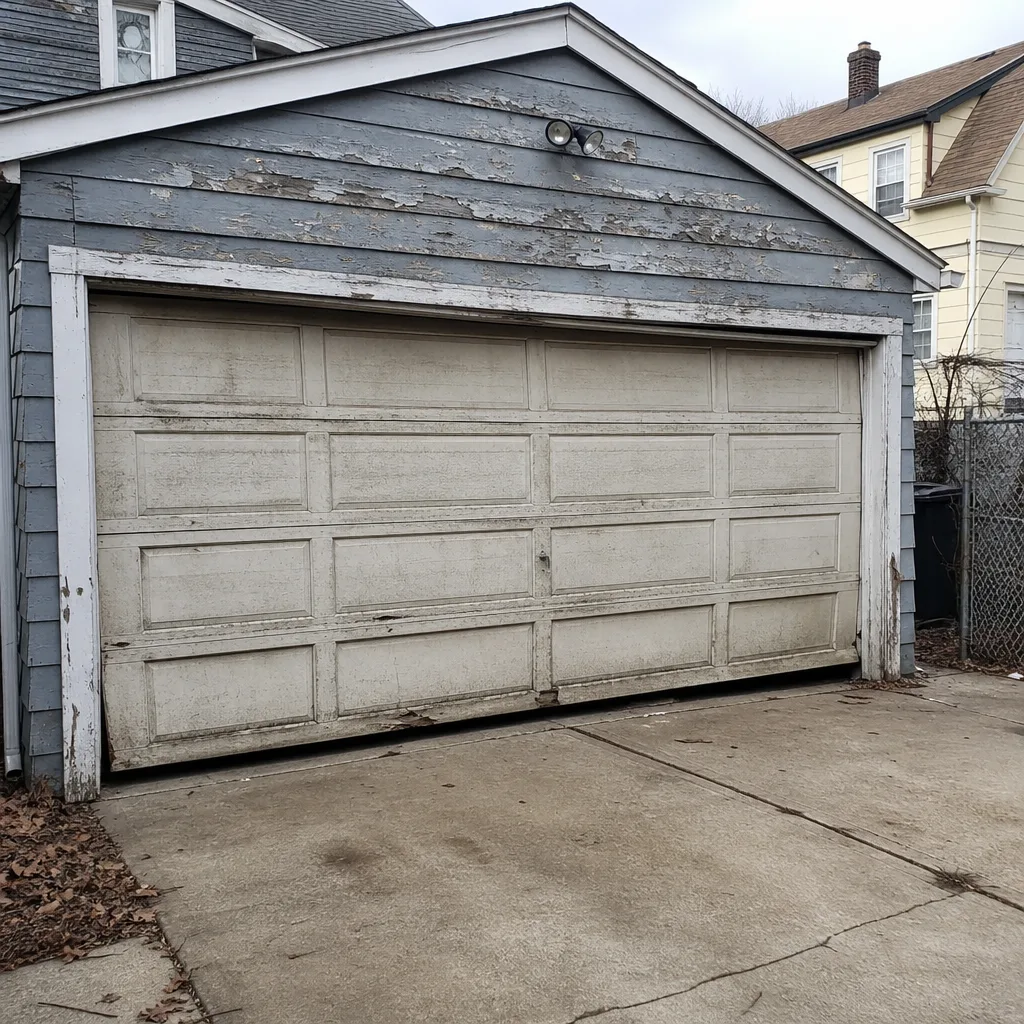 Before
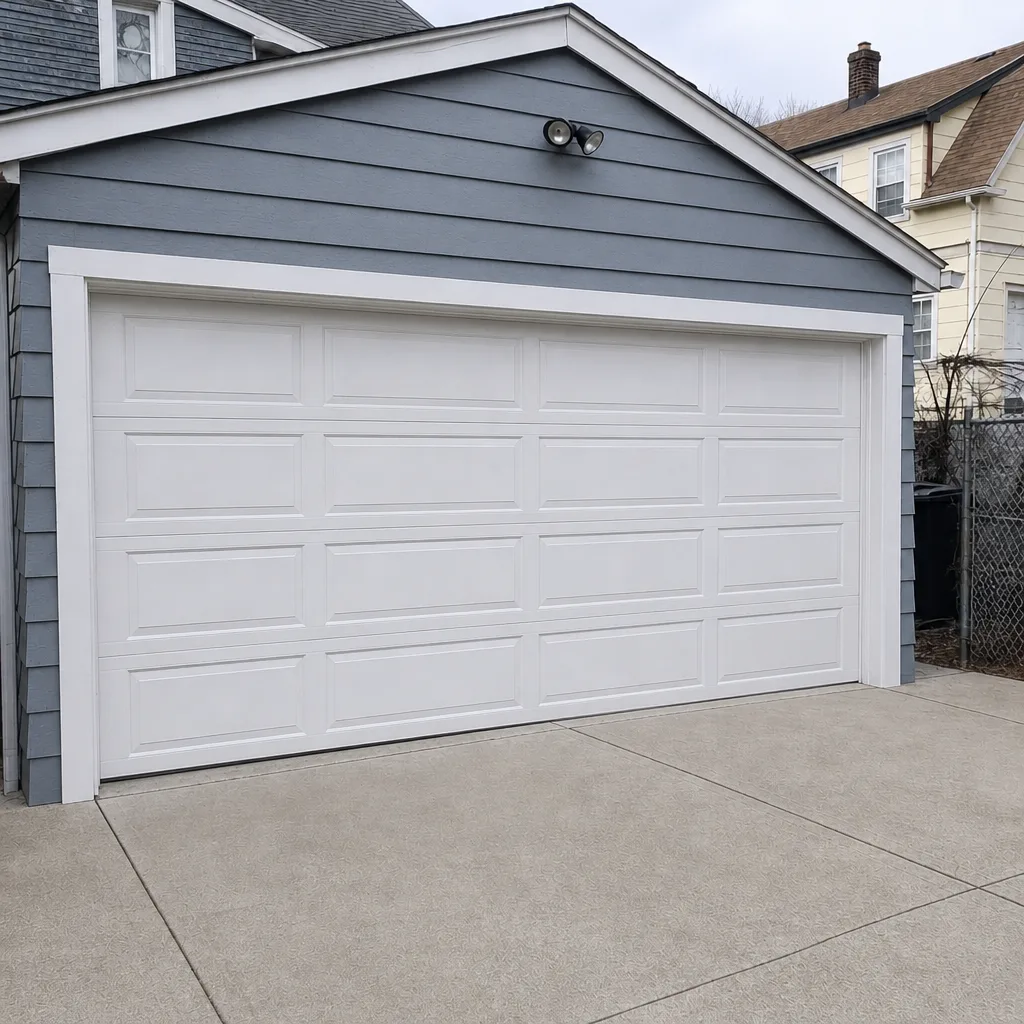 After
Common Mistakes to Avoid
- Assuming a bigger door is just a bigger door. Changing the opening size is structural work that needs a permit, and skipping that step can surface during a sale. If you want a wider opening, plan the permit into the job from the start.
- Letting an opener install go unpermitted on a newer attached garage. The operator is often already on the approved plans, so adding one without documentation can look like an unapproved change to the original permit file.
- Canceling out the photoelectric sensors to get the door to close. If the sensors are the problem, they need to be repaired or re-aimed, not disconnected. A tampered sensor is both unsafe and a code problem.
- Ordering a mail-order door without checking the opening. A door that doesn’t fit means a return, a delay, and potentially a permit amendment. Measure the opening first, not after.
- Skipping the HOA check in the Ironbound or Forest Hill. Town approval isn’t neighborhood approval. Some overlays require design review even when the permit office doesn’t ask.
- Assuming a same-size swap needs a permit because a neighbor got one. Permit history is property-specific. What a neighbor needed on a different opening says nothing about your job.
- Handling a broken spring or a slack cable yourself. The stored energy in a torsion system is the reason we treat spring work as trained-only, whether or not a permit is involved.
When to Call a Professional
Some jobs are a phone call, and some aren’t. If a spring is broken, a cable is slack, the door is off its track, or the opener won’t reverse, those are the moments to call a trained technician. Also call when you’re planning a replacement and can’t tell whether your opening is standard, or when an HOA or historic overlay is in play and you need a door configuration that satisfies both the design review and the building department. Newark Garage Door Service offers free estimates in Newark – call (866) 942-6834. We answer 24/7, with fast dispatch from 7am to 7pm, Sunday through Friday. Our garage door installation work covers a free measure and a written price, so the plan is clear before anything is ordered or installed.
The Bottom Line
The permit question in Newark is narrower than the fear suggests. A like-for-like door replacement on an unchanged opening is generally routine work with no building department involvement. The permit line is crossed when you change the opening, modify the header, or add an automatic operator to a manual door on a newer attached garage – and every operator install on an attached garage must have working photoelectric sensors under the NJ Uniform Construction Code. Do it right initially, and a title search won’t stall a closing down the road. When the work is repair or replacement, call (866) 942-6834 for a free estimate. The price is quoted and agreed before any work starts.
Newark Garage Door Service is your Newark garage door specialist for repair, opener repair, and installation across the brands you already own. Our technicians have up to 9 years of experience, and every job starts with a free written estimate.
Written by the team at Newark Garage Door Service.