
Last updated November 14, 2026
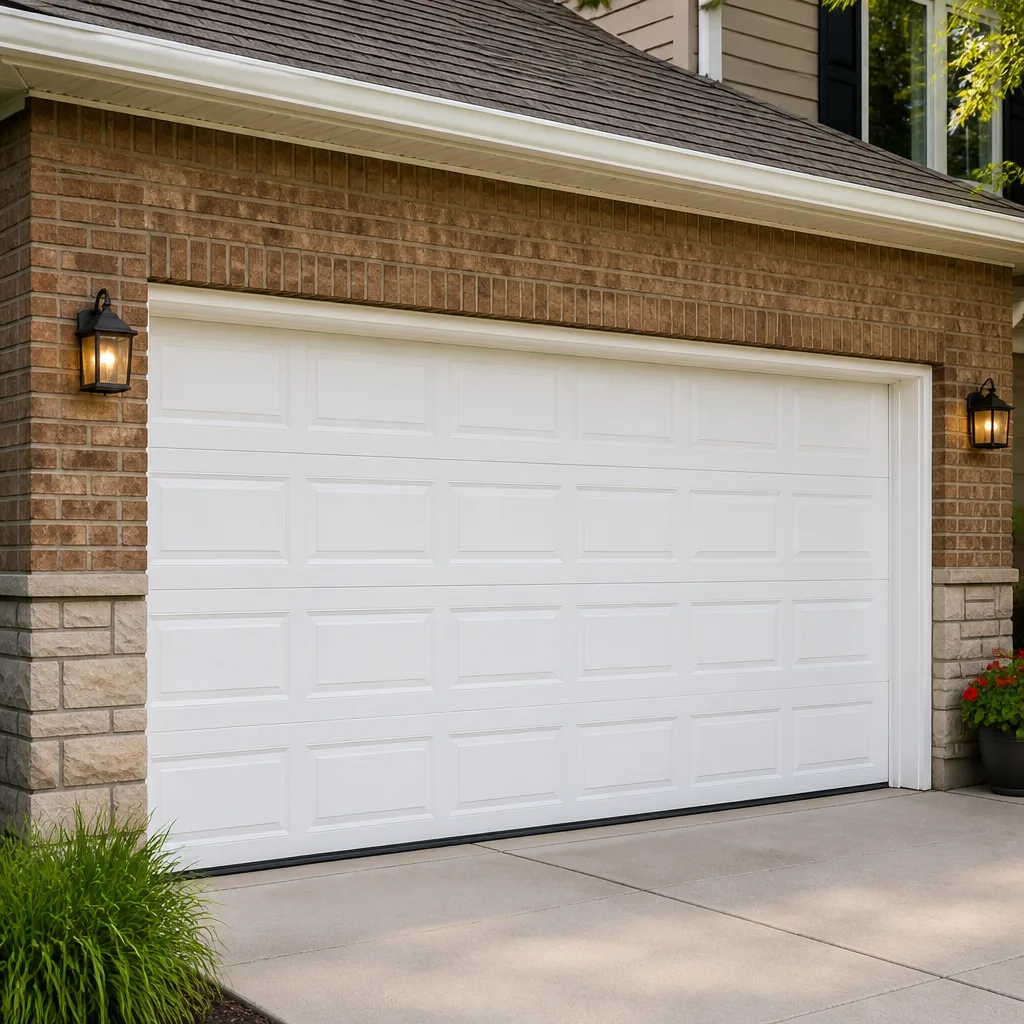 Raised-panel steel
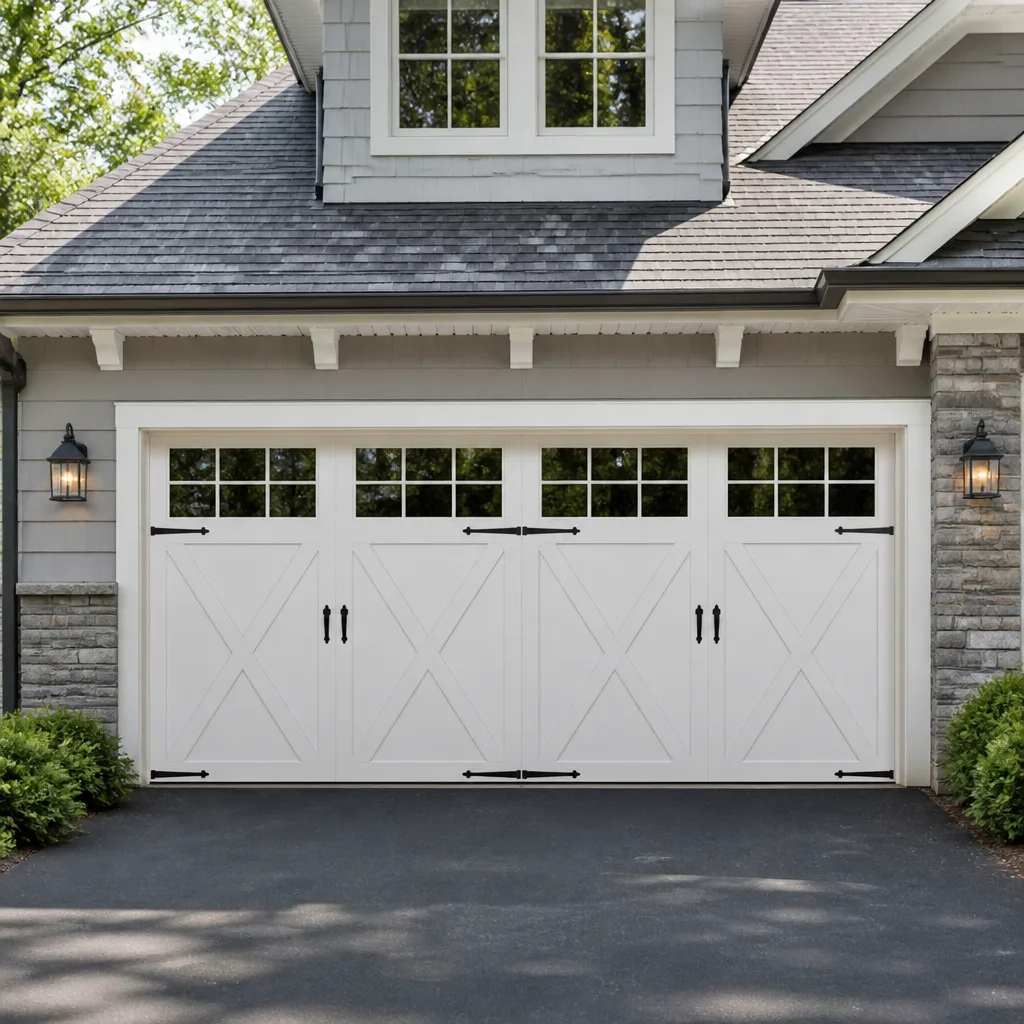 Carriage house
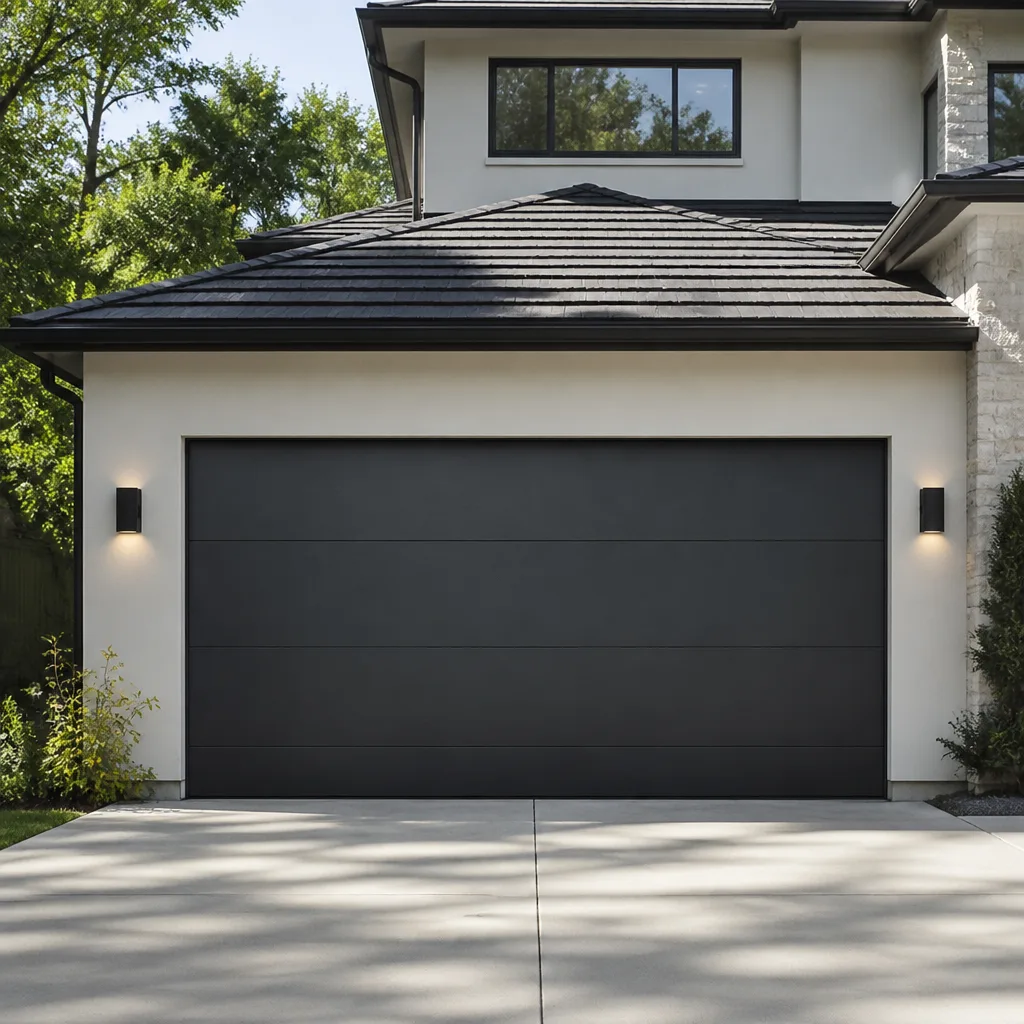 Modern flush
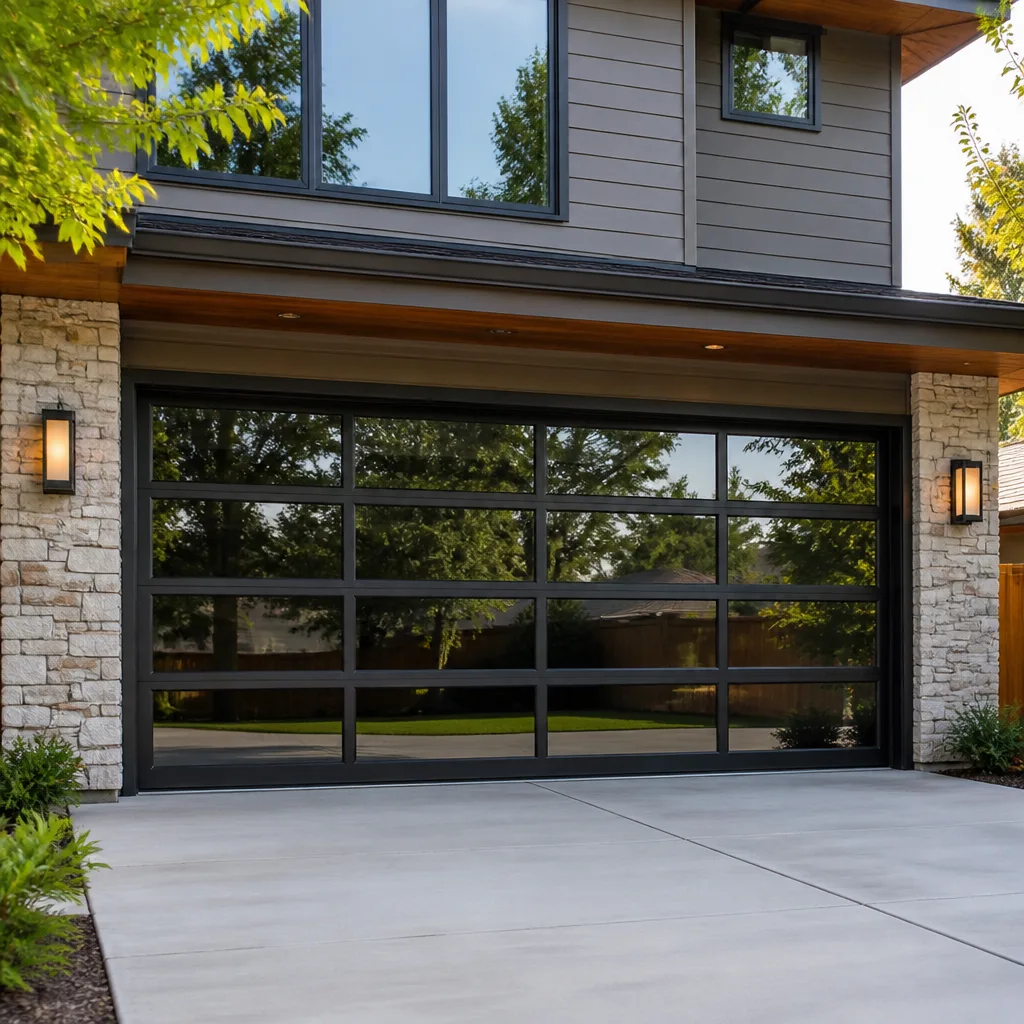 Full-view glass
 LiftMaster openers
 Chamberlain openers
Full 25-point door and opener safety check with every visit - springs, cables, rollers, tracks, and your LiftMaster or Chamberlain opener included
You get a price before we start. It does not change when the pro arrives.
Get your free estimateGarage Door Repair Maintenance Schedule: What to Do and When
The most expensive garage door repair most Newark homeowners ever pay for, a spring replacement under emergency conditions, is almost always preceded by months of a symptom they were told to ignore: a door that takes a half-second longer to open than it used to. A garage door has 12 to 15 moving parts that wear on completely different calendars. Treating maintenance as one annual event means you’re early on some components and dangerously late on others. This guide breaks the work into intervals that actually match how parts fail, from monthly visual checks to three-year cable inspections, and tells you exactly which tasks are safe to do yourself and which belong to a trained technician.
Quick Answer
A garage door maintenance schedule should include four tiers of work: monthly visual inspections of springs, cables, rollers and the safety reverse, lubrication of moving parts every six months, a spring tension and balance test once a year, and a full cable and hardware inspection every three years. Springs, cables and opener mechanisms need a trained technician; lubrication, cleaning and balance checks are homeowner work. In Newark, add a late-October winter prep and an early-spring inspection after salt season.
Styles & brands we work with
- Raised-panel steel
- Carriage house
- Modern flush
- Full-view glass
- LiftMaster openers
- Chamberlain openers
Table of Contents
- Why One Annual Service Isn’t Actually a Schedule
- Monthly Checks: Ten Minutes That Catch Most Failures
- Every Six Months: Lubricating the Right Parts With the Right Product
- Once a Year: The Balance Test and Spring Tension Check
- Every Three Years: Cable and Hardware Inspection
- The Newark Calendar: Seasonal Tasks That Match Our Weather
- Component Service Life: What to Budget and When
- What You Can Do Yourself vs. What Belongs to a Technician
- Common Mistakes to Avoid
- When to Call a Professional
Why One Annual Service Isn’t Actually a Schedule
A garage door is not one mechanism that wears at one rate. It’s an assembly of parts with wildly different service lives: a torsion spring that cycles thousands of times a year, nylon rollers that degrade slowly, a cable that holds tension for years and then fails in a second. If you service everything once a year, you’re over-maintaining the hinges and under-inspecting the cables. The parts that fail catastrophically, springs and cables, are the ones a yearly glance is least likely to catch because they don’t show obvious wear until very late.
In our experience, the doors that fail without warning are usually the ones that got consistent annual attention but no schedule targeted at individual components. The homeowner did the right thing on paper. The failure happened anyway because the spring was on a three-year trajectory and the annual service never actually measured it.
A real schedule matches each task to how that part wears:
- Monthly: visual checks of the things that change fast, springs, cables, roller condition. Ten minutes on the first Sunday of the month gives you more early warning than any tune-up appointment.
- Every six months: lubrication of the moving parts that wear from friction, matched to product type.
- Annually: the balance test, spring tension assessment and safety-reverse check.
- Every three years: a full cable and hardware inspection by a technician.
That structure puts the fastest-wearing components on the shortest cycle and the slowest-failing components on inspection schedules that catch them before they go. Newark summers are humid and the winters cold enough to stress metal and wood differently, which makes the seasonal layer of this schedule matter as much as the month-to-month one. If your door has already started acting up, see our garage door repair page for what each symptom usually means.
Monthly Checks: Ten Minutes That Catch Most Failures
A monthly visual inspection catches the majority of failures that would otherwise become emergencies. You’re not fixing anything. You’re looking for change, and change is what tells you a component is on its way out. Do this from the ground, with the door closed, and don’t reach into any part of the door mechanism.
- Look at the springs above the door. A torsion spring sits horizontally above the opening; extension springs run along the sides. You’re looking for visible gaps in the coil, rust streaks, or a door that hangs crooked. Any of those mean the spring is failing and you should stop and call.
- Check the cables on both sides. They should be taut and sitting cleanly in their drums and pulleys. A cable that’s frayed, kinked or visibly loose is a serious problem. Never touch a cable under tension.
- Inspect the rollers. Cracked nylon or bent steel rollers show up as a door that jerks or rattles as it moves. Rollers are cheap to replace and a worn one stresses the whole track.
- Check the hinges and brackets for looseness. Gaps at the hinge plates or missing bolts are a sign the door is working harder than it should.
- Test the safety reverse. Put a small object, a roll of paper towels works, in the door’s path and close it. The door should reverse on contact. If it doesn’t, stop using the opener and get it serviced. This is the one check that protects people, not just property.
- Look at the door panels and bottom seal. Cracks, rot at the bottom rail, or a seal that’s torn or missing means water and air are getting in, and in Newark that accelerates wear on the frame and hardware.
Write down anything that changed. A door that’s suddenly slower, noisier or uneven is the earliest signal you’ll get, and it’s the one most homeowners miss because they’re not comparing against a baseline. Our technicians have up to 9 years of experience and the first thing we ask when someone calls about a door that “just stopped” is how long it had been acting differently.
Every Six Months: Lubricating the Right Parts With the Right Product
Lubrication is the task most homeowners get partly right. One can of whatever is in the garage gets sprayed on everything, and the parts that actually needed a specific product either get ignored or get the wrong one. Different components take different lubricants because they see different loads.
Here’s the breakdown that matters:
- Rollers: a small amount of white lithium grease or a dry silicone spray on the roller bearings (not the metal roller surface itself) quiets them without attracting grit. Steel rollers on a high-cycle door benefit from lithium grease; nylon rollers do better with silicone.
- Hinges and pivot points: a light oil or white lithium grease, applied sparingly at the pivot, not the face of the hinge plate.
- Springs: a light, non-greasy lubricant works best. Heavier grease on a torsion spring collects dust and debris and can actually slow the spring’s movement. The goal is to reduce friction between coils, not to coat the spring. Never wind or adjust a spring to lubricate it; the lubrication goes on the surface as it sits.
- Track and weather seal: silicone spray on the door’s weather seal keeps it pliable and prevents it from sticking to the frame in cold weather. The track itself should stay clean and dry; grease on the track collects debris and causes the door to bind.
Don’t over-lubricate. A little goes a long way and excess product catches dirt, which turns into grit that wears the moving parts faster. Wipe off any excess when you’re finished. If you’re not sure what a particular part takes, a quick call to a technician is faster than guessing wrong. The parts themselves are inexpensive, so the cost of a wrong product is a bit of premature wear, not a repair emergency.
In Newark, the six-month point lands well if you do it once in late October and once in late April. October’s lubrication protects the door as temperatures drop and metal contracts; April’s clears the winter’s grit before the humid months arrive.
Once a Year: The Balance Test and Spring Tension Check
The annual balance test is the single most useful diagnostic a homeowner can run. It tells you whether the springs are still doing their job or whether the opener is compensating for a spring that’s quietly losing strength. A spring that’s weakened but not broken makes the door heavier to lift, and that extra load goes straight into the opener, which is a machine that’s designed to move a balanced door, not to lift a heavy one.
Run it like this:
- Close the door and pull the emergency release cord to disconnect the opener. This is the pull cord hanging from the opener rail.
- Lift the door by hand to about waist height. It should feel manageable; you shouldn’t be straining.
- Let go. A properly balanced door stays where you put it, or very close to it.
- Read the result. A door that drops to the floor means the springs are weak. A door that drops quickly and hard is a sign of spring failure and you should not use it. A door that shoots back up means the spring is over-tensioned.
- Reconnect the opener by running it once to re-engage the carriage.
If the door won’t hold at waist height, the springs are the place to start, and that’s work for a technician. Do not try to adjust spring tension yourself. Torsion springs are under enormous tension even when the door is fully open, and a spring that releases while you’re working on it can cause serious injury. A professional can tell you whether the spring is on its way out or just needs adjustment.
While you’re at it, check the opener’s force settings and travel limits against the manual. If the door is stopping short or over-travelling at the top or bottom, the limit setting has drifted. Our garage door opener repair page covers the other symptoms that point to opener wear rather than spring wear.
Every Three Years: Cable and Hardware Inspection
Cables are the most under-inspected part of a garage door. They’re also the part that can cause the worst injury if a homeowner tries to handle them. A standard recommendation is a full inspection of all cable runs, drums, pulleys and mounting hardware every three years. A high-cycle door, one that opens six or more times a day, needs it sooner.
At the three-year mark, the technician is checking:
- Cable strands: every strand intact and the cable running clean through its drum.
- Drum and pulley condition: no grooving, no wobble, no worn edges that will cut the cable.
- Track alignment: track brackets still square and the track not twisted.
- Panel condition: no stress cracks at panel joints or hinges that indicate the door is working harder than it should.
- Fasteners: all lag bolts and screw plates tight and sound.
- Bottom rail and seal: rust or rot on the bottom rail in particular, which is where water sits.
For a wood door, the three-year point is also where the finish gets checked against the local conditions. In Newark, wood panels take on moisture through summer, which is when a failing finish shows up. A Wayne Dalton or Clopay wood door that’s been sealed and painted properly holds up well; one that’s been ignored can warp at the bottom rail by year five. The three-year inspection is the point to catch it before it does.
If any part of that list turns up a problem, it’s still a repair, not a replacement. That’s the whole point of the three-year interval. Every issue it catches is cheaper than the failure it prevents.
The Newark Calendar: Seasonal Tasks That Match Our Weather
The generic maintenance calendar doesn’t account for the seasonal reality of Newark. Our winters get cold enough to freeze lubricant and stiffen seals, our July and August humidity is hard on wood and on steel that’s already rusting, and the late-winter road salt that ends up on garage floors and bottom rails eats metal from the ground up. That makes three seasonal tasks worth adding to the base schedule.
Late October: Winter Prep
Before temperatures drop, do a full lubrication pass with a product meant for cold weather. White lithium grease thickens significantly in cold, which is why a lighter product on the springs and a cold-rated grease on the hinges is the better choice going into winter. Check the weather seal at the bottom and the sides; a seal that’s stiff or torn lets cold air in and can freeze the door to the frame. Check the opener’s force adjustment so it’s not having to compensate for a stiff door.
Early Spring: Post-Salt Inspection
Road salt and the ice-melt products that find their way into a Newark garage corrode the bottom rail, the hinges at the lowest panel, and any steel hardware close to the floor. In spring, wash down the door and the bottom rail with clean water, dry it, and look for rust pitting that started over the winter. Touch up any paint or finish that’s lifted. This is the window to catch corrosion before it works its way into the joints.
July and August: Humidity Management for Wood Doors
Wood absorbs moisture in summer. A Clopay or Amarr wood door can swell enough at panel joints to bind on the track, and if the interior surface isn’t sealed, moisture gets into the wood from the inside out. Check for panels that are starting to stick, and look at the finish on the interior face. Good ventilation in the garage helps, but the finish is the real barrier. If the door has shown any signs of swelling, get the finish checked before fall.
Component Service Life: What to Budget and When
A maintenance schedule is only useful if you know how long each part should last, because that’s what lets you budget ahead of the failure instead of reacting to it. Here are the realistic service lives for the components on a standard residential door, based on typical use:
- Torsion springs: commonly rated by cycle count, so it depends on how often the door runs. A door used four times a day lasts much longer than a high-cycle door. A door showing signs of weakness at the annual balance test is a candidate for replacement before it breaks.
- Rollers: nylon rollers typically last several years; steel rollers last longer but are noisier and need more lubrication. Replace them when they’re visibly worn or the door starts rattling.
- Cables: typically several years with a three-year inspection, and replaced whenever the inspection finds wear. They don’t have a fixed replacement age, they have an inspection cycle.
- Opener: the drive system and motor on a Genie or LiftMaster unit commonly run for well over a decade with lubrication and a balanced door. Openers tend to fail early only when they’ve been lifting an unbalanced door.
- Weather seals: a few years, sooner in high-use or exposed locations. Cheap to replace and the cheapest thing on this list to keep ahead of.
- Bottom rail and hardware, wood doors: the finish is the life. A well-finished wood door lasts many years; one that’s been allowed to take on water can show rot at the bottom rail sooner.
Use those as budgeting guides, not deadlines. The point is that when the annual balance test says the spring is weakening, you’re already expecting the expense, and you can schedule it instead of paying for an emergency call. If your door is already past the point where a repair makes sense, the repair-or-replace decision is one a technician can walk you through honestly.
What You Can Do Yourself vs. What Belongs to a Technician
Most of this schedule is safe homeowner work. The parts that aren’t safe are the ones holding the door under tension, and those are also the ones where a DIY intervention can void a manufacturer’s warranty or create liability. Here’s the split:
Safe for a homeowner
- Monthly visual inspection of springs, cables, rollers and hinges.
- Lubrication of rollers, hinges, springs and seals with the correct product.
- Testing the safety reverse.
- Washing down the door and bottom rail in spring and touching up paint.
- The balance test itself, which is just disconnecting the opener and lifting the door by hand.
Belongs to a technician
- Spring adjustment or replacement. Torsion springs are under extreme tension at all times. This is the single most dangerous part of the door and the one most likely to be attempted by a confident homeowner who then gets hurt. Do not adjust it.
- Cable tensioning or replacement. Cables are under the same tension as the springs and can fail violently. This is technician work, full stop.
- Track realignment or roller and drum replacement. These are usually safe with a trained hand, but a mistake here is a door off its track.
- Opener motor, drive and safety reverse calibration. Some of it is approachable, but a mis-calibrated opener is a safety problem. Our opener repair page explains what’s involved.
- Any repair that requires removing a panel or taking the door off its track.
The line to remember is simple: if it’s holding the door up, you don’t touch it. Everything else on the schedule you can run yourself, and you’ll get real value out of doing it.
Common Mistakes to Avoid
- Treating the door as a single annual service. One tune-up a year means springs go uninspected and cables go unchecked. The parts that fail hardest are the ones a monthly look would have warned you about.
- Using the wrong lubricant. Grease on the track or the wrong product on a torsion spring does more harm than good. Grit collects, the door binds, and the wear accelerates. Match the product to the part.
- Skipping the balance test because the door “works fine.” A door that opens is not the same as a door that’s balanced. A weakening spring is silently transferring its load into the opener until the opener is the part that fails, which is the more expensive repair.
- Ignoring a door that’s slightly slower or noisier. That half-second hesitation at the top of the travel is the earliest symptom of a spring on the way out. In our experience it’s the symptom most often waved off and then most often followed by an emergency call.
- Trying to adjust spring tension. This is the one mistake with real potential for injury. There’s no version of this that belongs in a homeowner’s toolkit, no matter how many videos exist.
- Skipping the spring post-salt-season cleanup in Newark. The road salt and ice-melt that end up in the garage corrode the bottom rail and lowest hinges. A spring wash-down and touch-up, done before summer, prevents a corrosion problem from becoming a structural one.
- Putting off the wood door finish in humid months. A wood door that takes on moisture in a Newark July can bind by August and rot at the bottom rail over time. The finish is the maintenance.
When to Call a Professional
Call a technician when the balance test shows the door drops rather than holds, when you see a gap or rust streak on a spring, when a cable is frayed or kinked, or when the door reverses on its own or won’t reverse on contact. Call immediately if the door comes off its track, hangs crooked, or the opener runs but the door doesn’t move. Those are not tasks for another month on the schedule; they’re stop-using-the-door moments.
For routine work, the annual balance test and the three-year cable inspection are things a technician should do because they can measure what a homeowner can only observe. Our team works on eight of the most widely installed residential brands, including Genie, Clopay, Amarr and Wayne Dalton, so the parts match and the diagnosis doesn’t hit a dead end. Newark Garage Door Service offers free estimates in Newark, and we can run through the whole schedule with you to set up a maintenance calendar that matches your door. Call (866) 942-6834. We answer 24/7. Fast dispatch from 7am to 7pm, Sunday through Friday.
If you’re in nearby areas and need a hand with a different property, the same scheduling principles apply across Newark and the surrounding neighborhoods, and our Newark Garage Door Service page covers the full range of what we handle.
See the difference
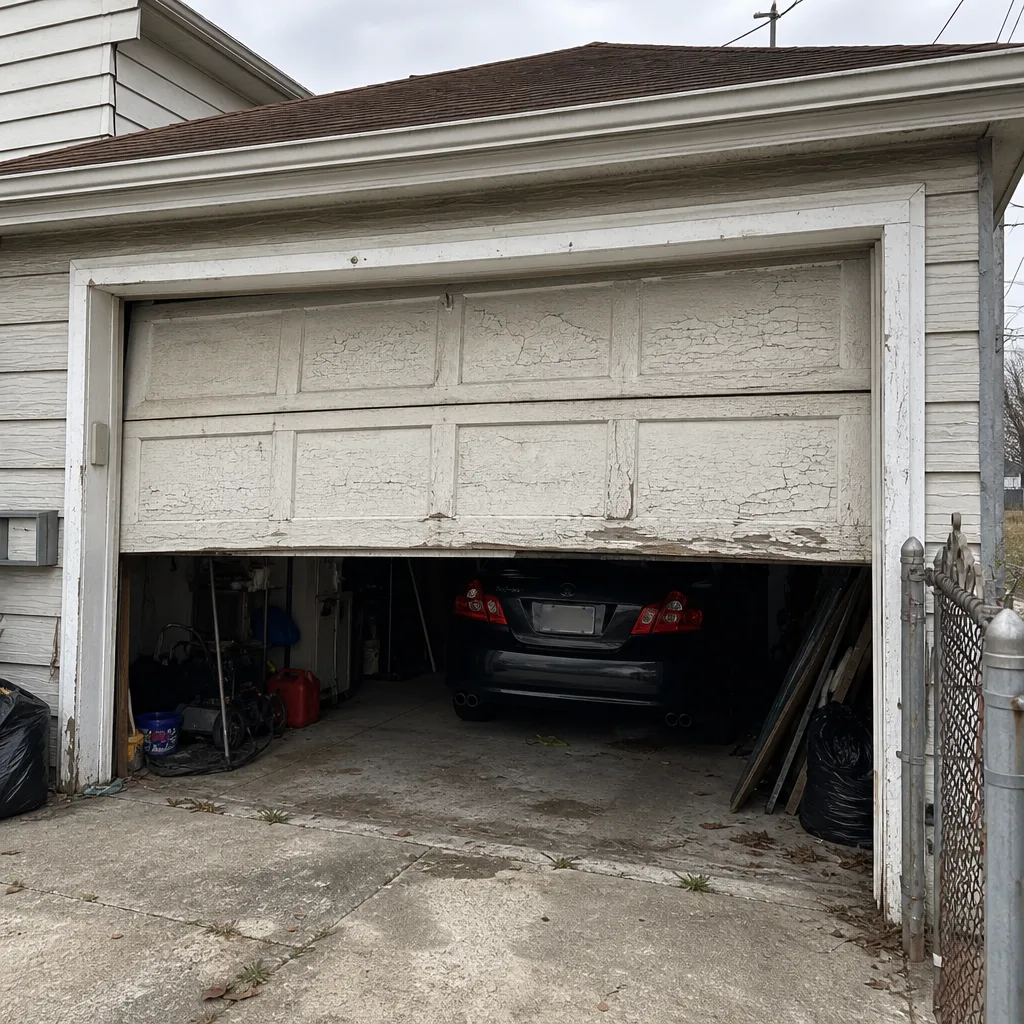 Before
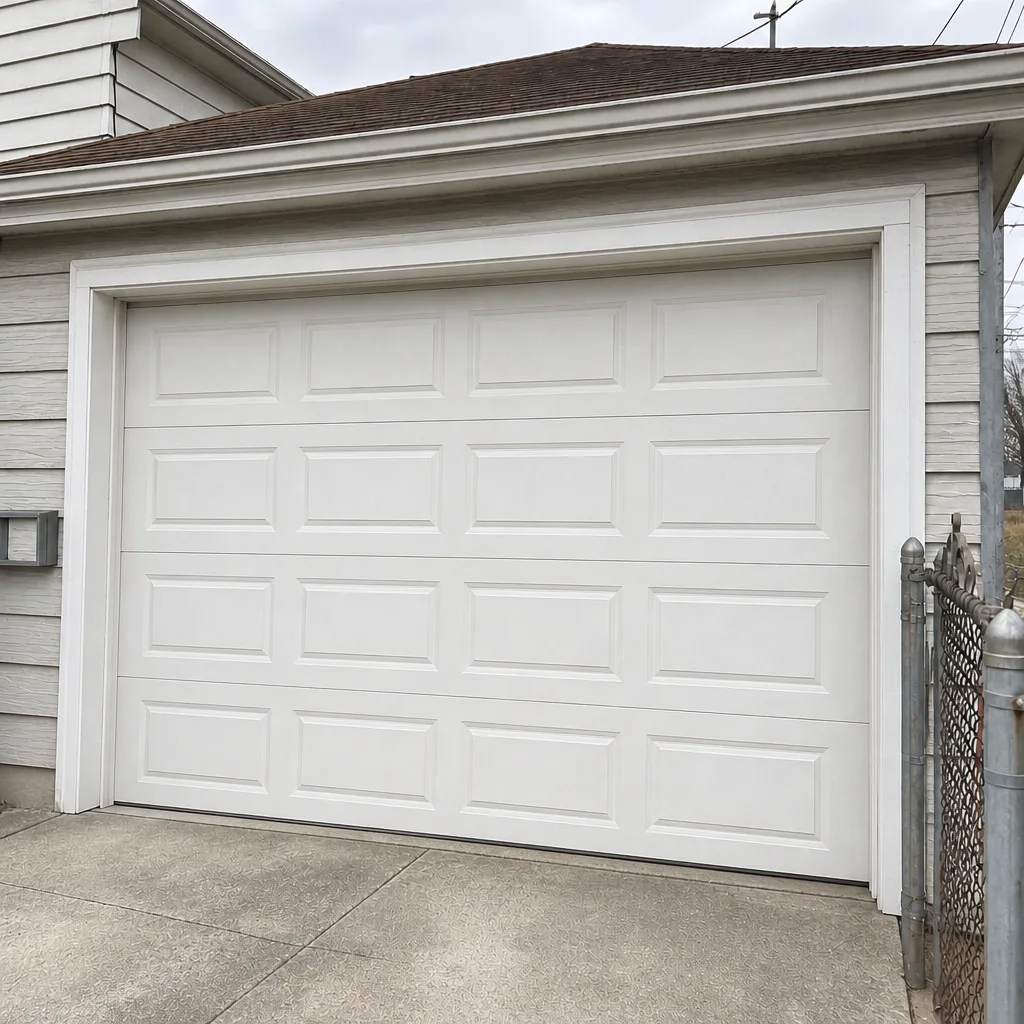 After
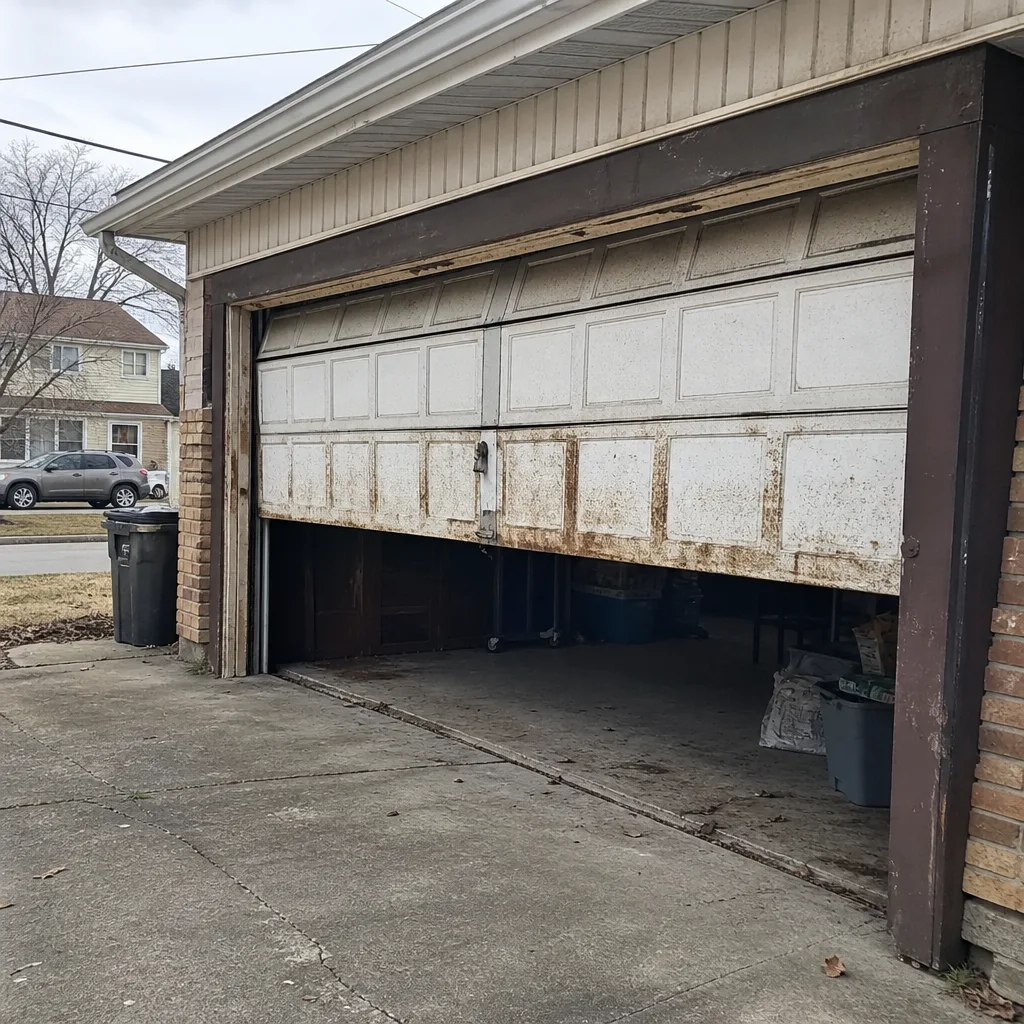 Before
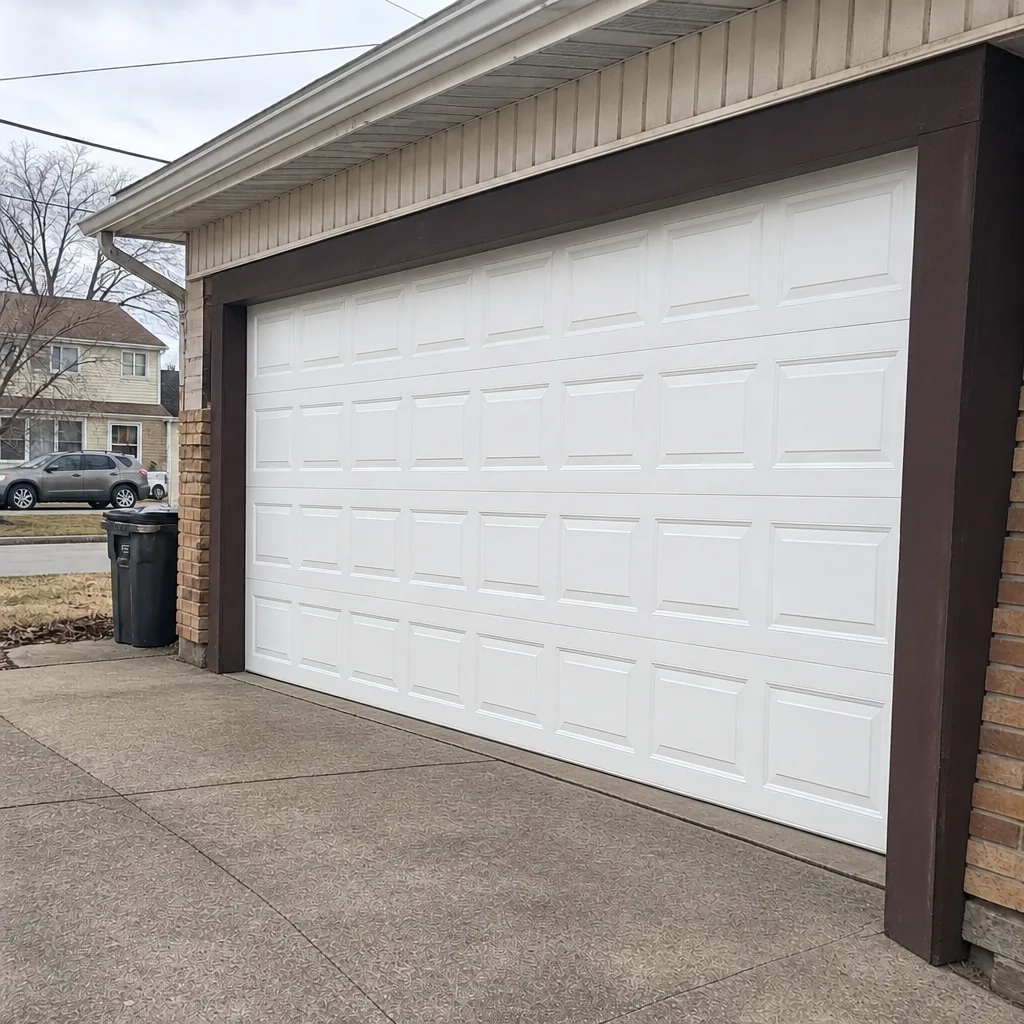 After
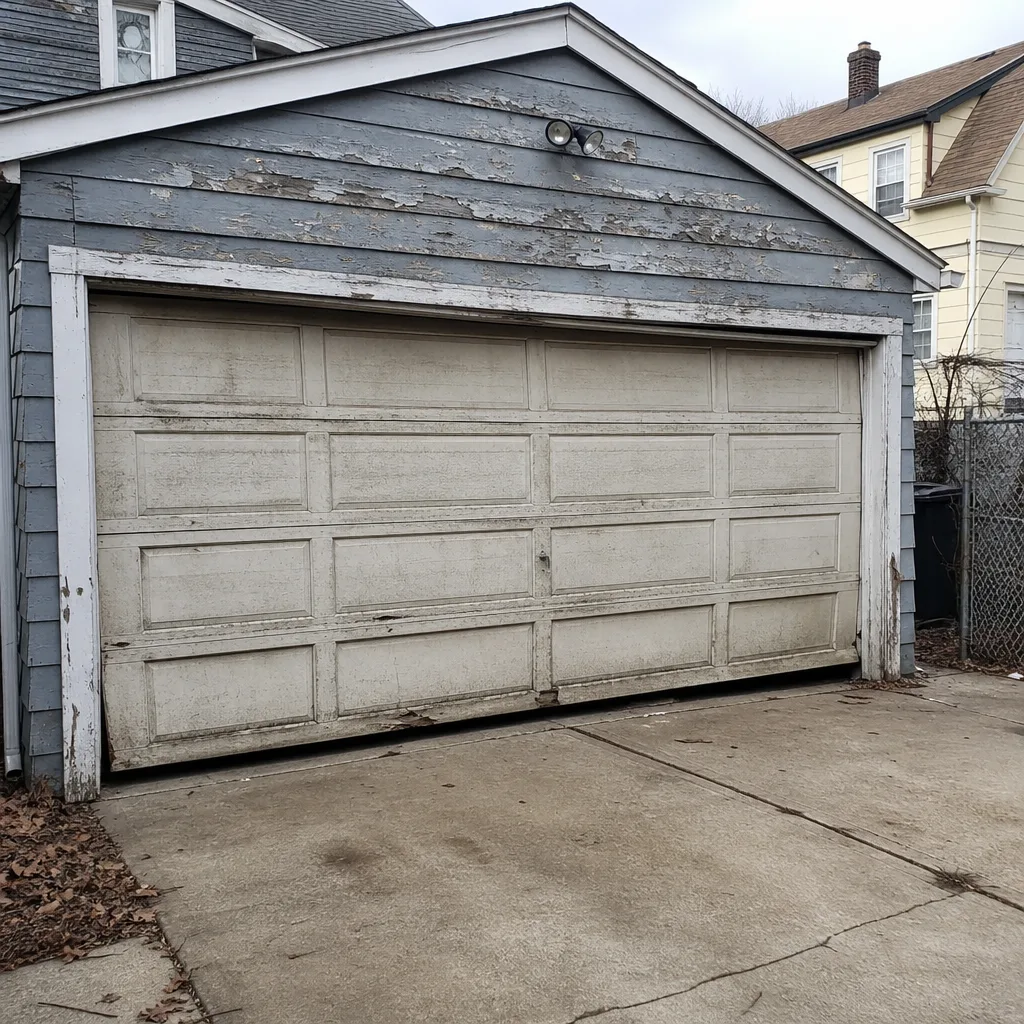 Before
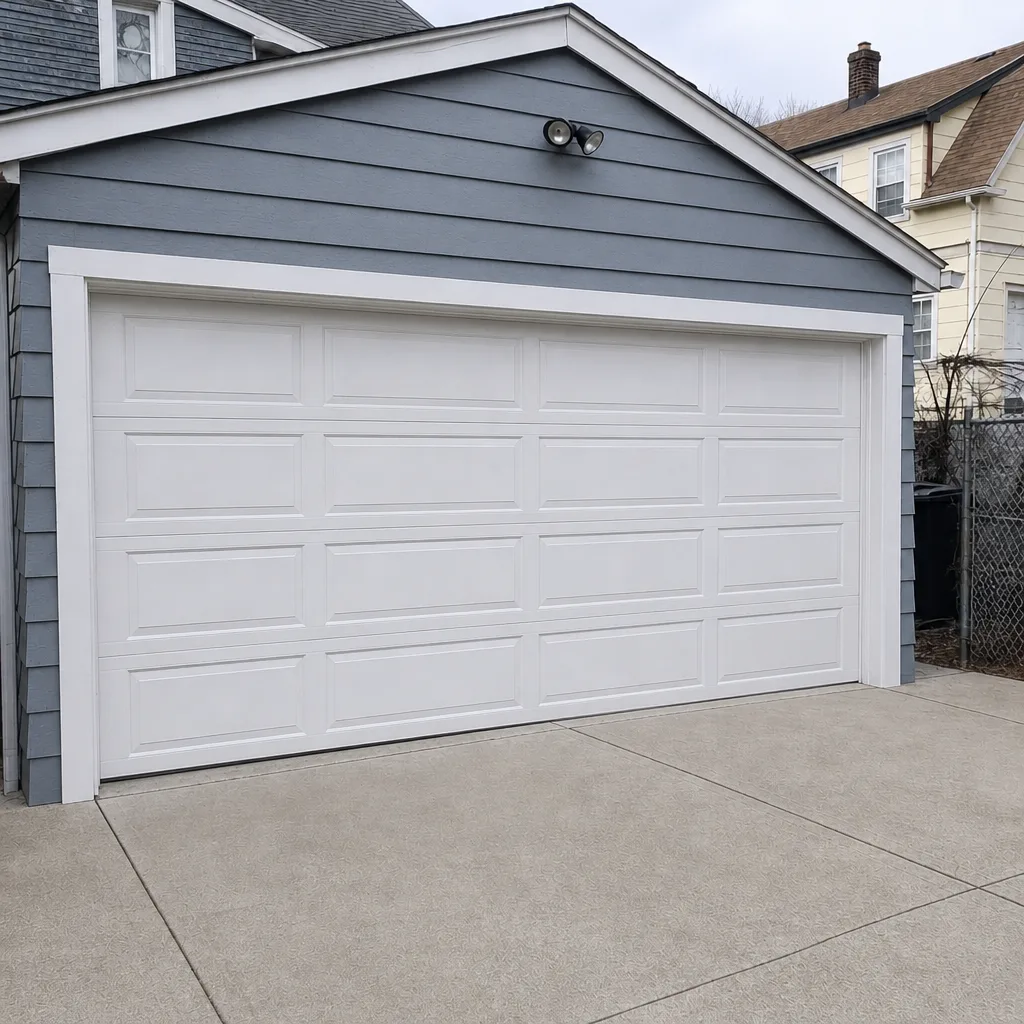 After
Frequently Asked Questions
A garage door should get visual checks monthly, lubrication every six months, a balance and spring test once a year, and a full cable and hardware inspection every three years. One annual service is not enough because the components wear at different rates, and the parts most likely to fail dangerously, springs and cables, are the ones a yearly glance is least likely to catch.
Yes. Lubrication is safe homeowner work as long as you match the product to the part: light lubricant on springs, white lithium or silicone on roller bearings, light oil on hinge pivots, and silicone on the weather seal. Keep the track itself clean and dry, and don’t over-apply. Only the spring adjustment and cable work are off-limits.
The balance test tells you whether your springs are still doing their job. Disconnect the opener, lift the door to waist height, and let go. A balanced door holds its position. A door that drops has weak springs, a door that shoots back up is over-tensioned, and either result means the springs need a technician’s evaluation.
Cables should be inspected every three years, or sooner for a high-cycle door. In Newark, the early-spring inspection is the one to prioritize because road salt and ice-melt from the winter collect on the bottom rail and lowest hardware and can start corrosion that isn’t visible until the finish is gone. A visual look each month plus the three-year professional inspection catches most cable problems before they fail.
Yes. In late October, switch to a cold-rated lubricant, check the weather seal, and confirm the opener’s force setting so the door doesn’t have to work against a stiff seal all winter. In July and August, wood doors need their finish checked because summer humidity makes an unsealed panel swell and bind on the track.
Homeowner adjustment or replacement of springs and cables is the most common warranty issue, along with repairs done without the correct parts. Following the maintenance schedule for lubrication and visual checks helps keep a warranty intact. For anything involving the tension system, use a technician and keep the record.
Our technicians are experienced and work on the brands we service as a specialist. We can confirm the current licensing and insurance details when you call. Estimates are free and the price is set per job by the written estimate before any work begins.
We are closed Saturday and open Sunday through Friday, 7am to 7pm. Call (866) 942-6834 and we’ll book you into the next opening on Sunday. We answer 24/7.
The Bottom Line
A maintenance schedule that matches each component’s real wear cycle keeps a garage door out of emergency territory. Monthly visual checks catch change early. Six-month lubrication keeps friction from compounding. The annual balance test is the single best diagnostic for spring health. The three-year cable inspection is where a technician catches what a homeowner can only observe. In Newark, add late-October winter prep, early-spring post-salt cleanup, and a humidity check on wood doors in July and August. Do the parts that are safe to do yourself, and leave springs and cables alone. Call (866) 942-6834 for a free estimate and we’ll help you set up the calendar for your door.
Written by the team at Newark Garage Door Service.