
Last updated November 14, 2026
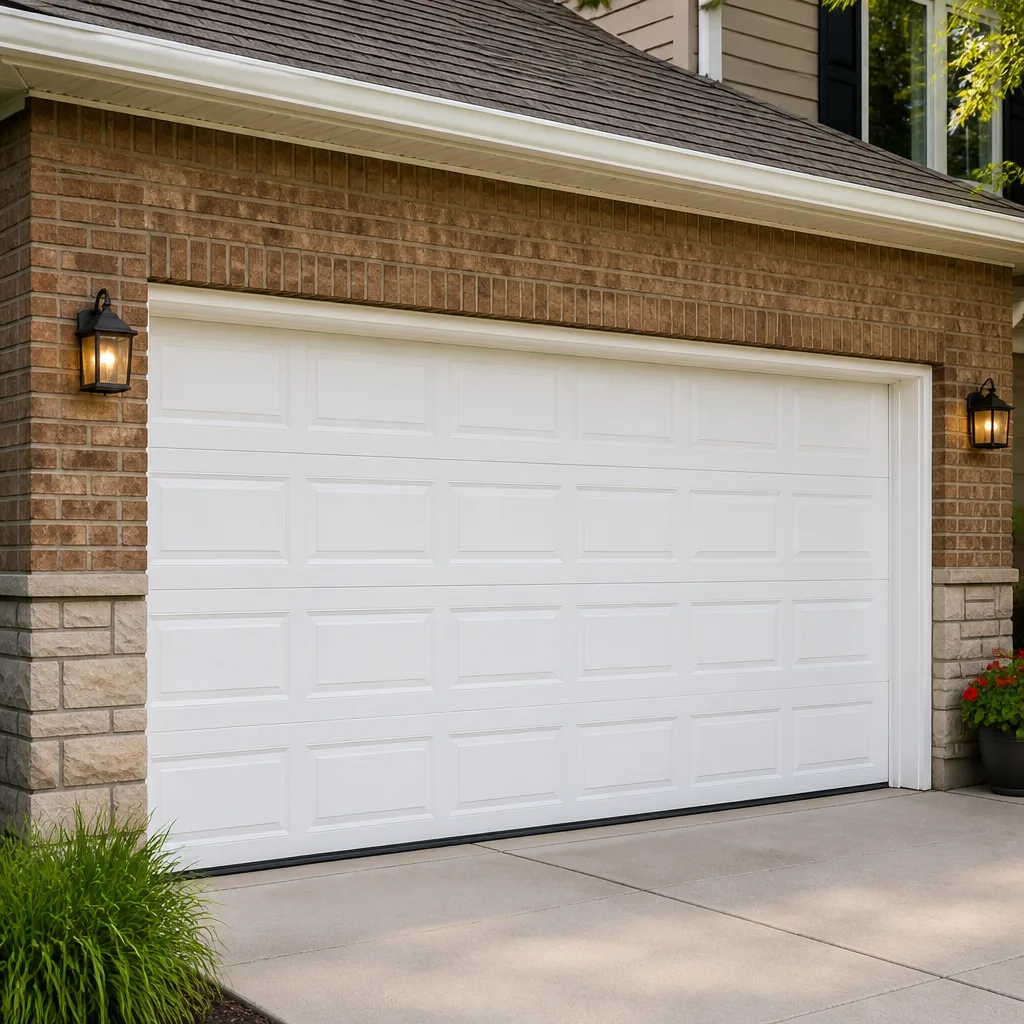 Raised-panel steel
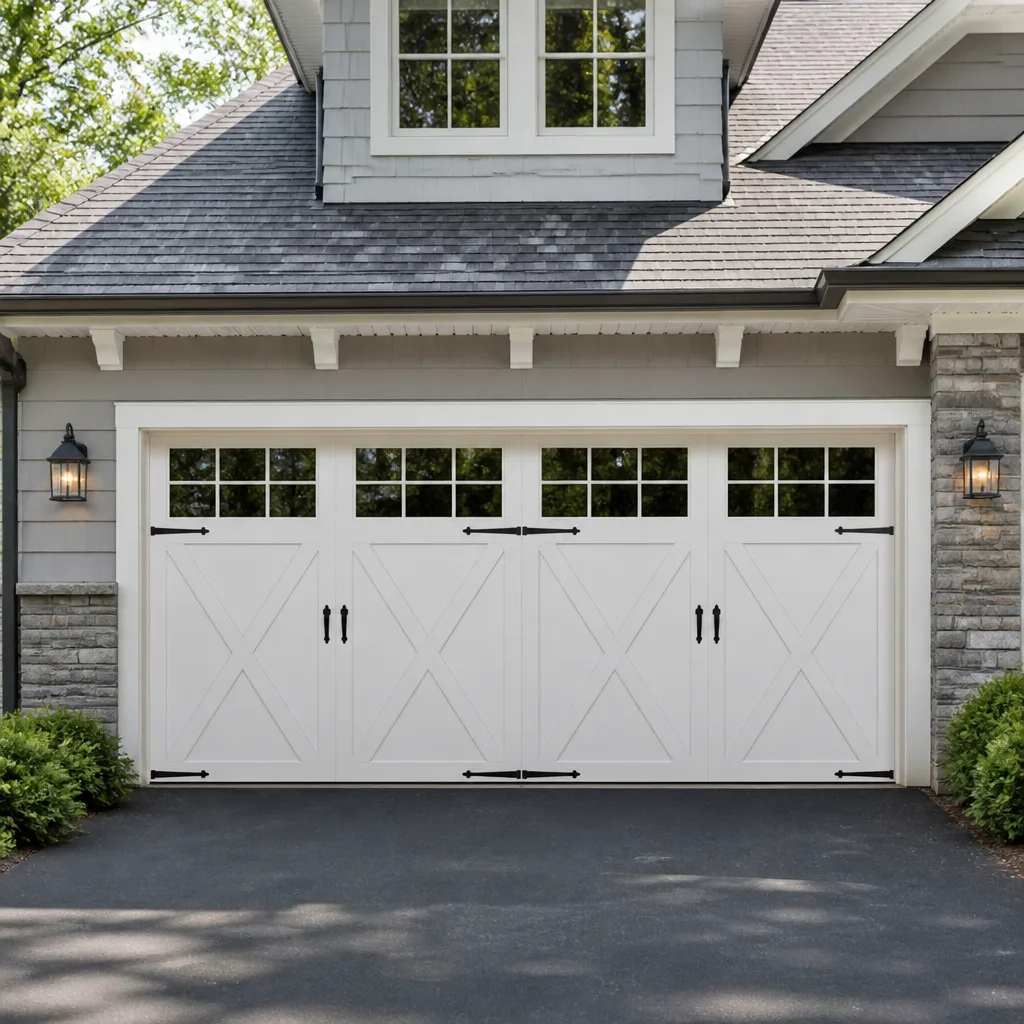 Carriage house
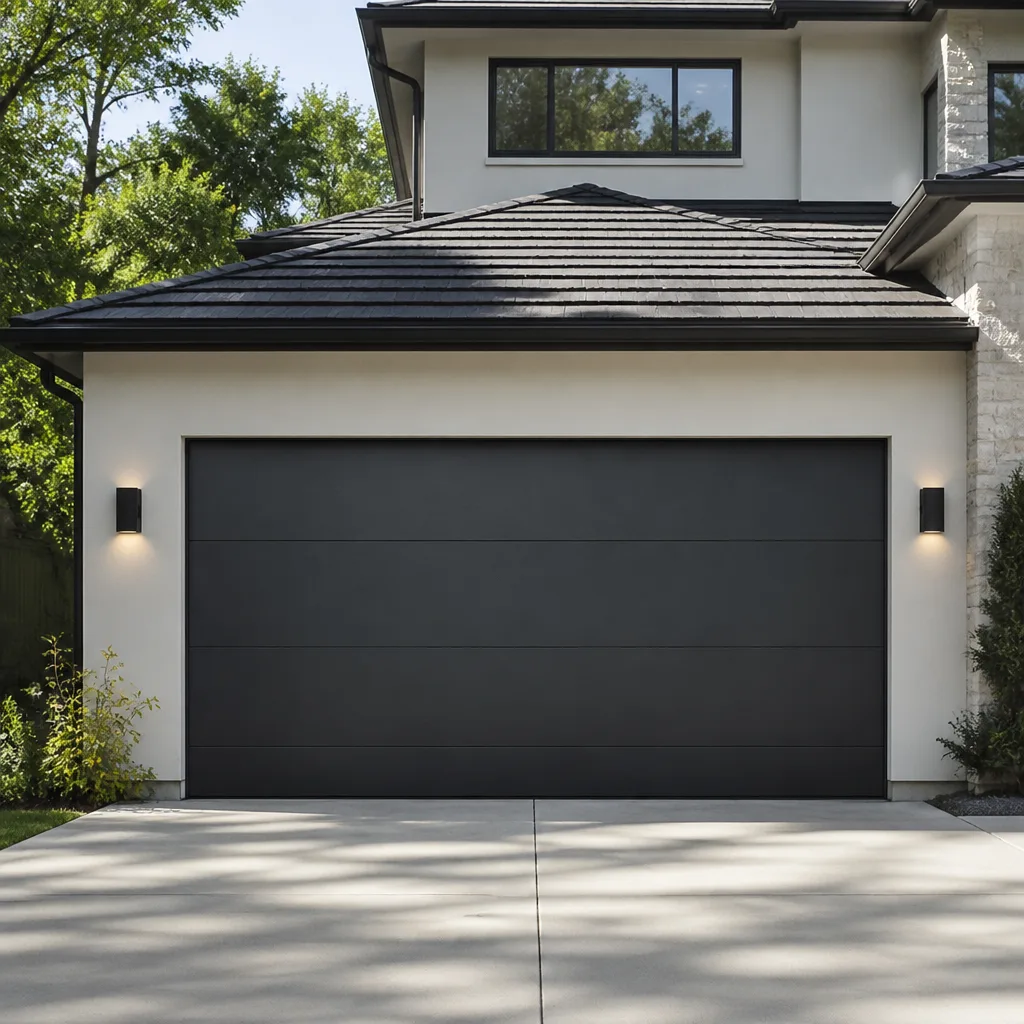 Modern flush
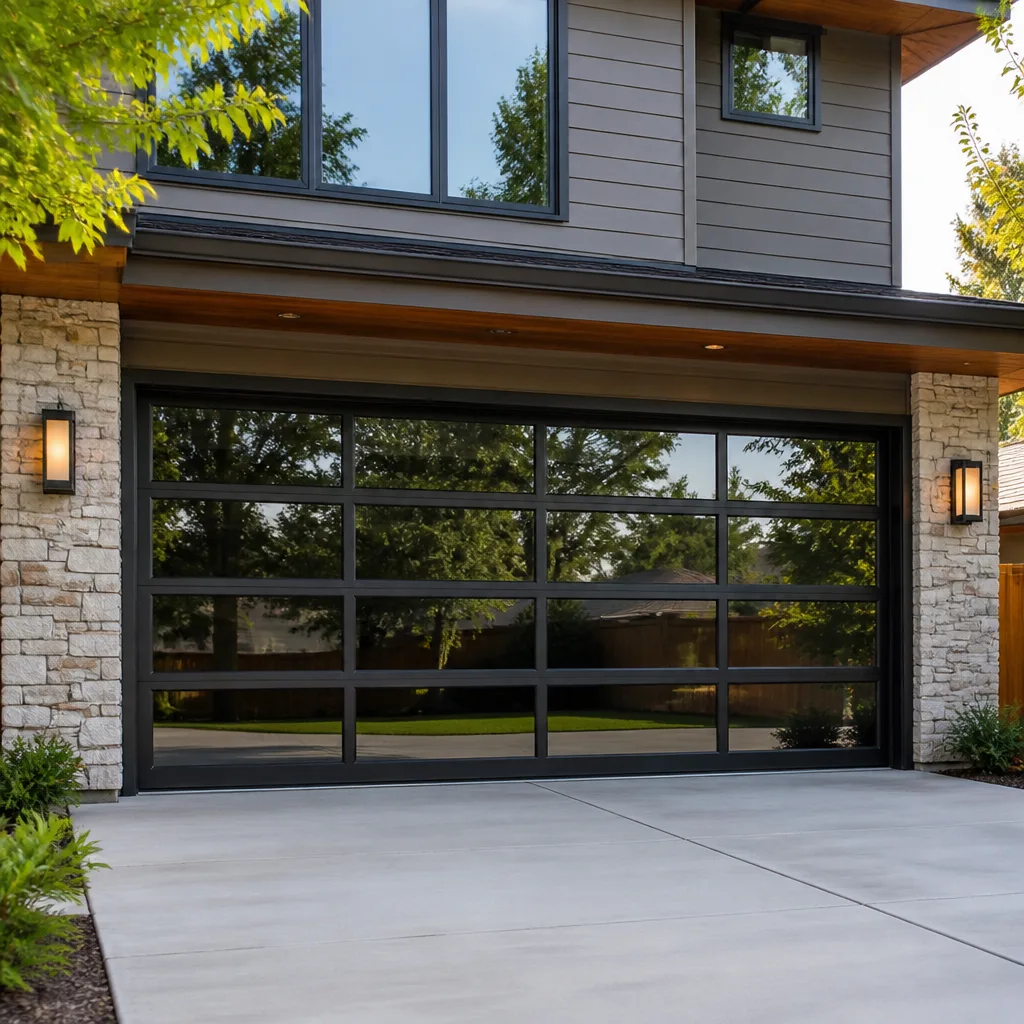 Full-view glass
 LiftMaster openers
 Chamberlain openers
Full 25-point door and opener safety check with every visit - springs, cables, rollers, tracks, and your LiftMaster or Chamberlain opener included
You get a price before we start. It does not change when the pro arrives.
Get your free estimateGarage Door Repair Troubleshooting in Newark: Common Problems and How to Fix Them
Two garage doors can fail in ways that look completely different and turn out to be the same problem. One reverses before it reaches the floor. Another won’t move at all. Both get blamed on the opener, and both are frequently a misaligned safety sensor that takes a few minutes to correct. That gap between what a door does and what’s actually wrong is where most homeowners lose time and money. This guide sorts the noise into four diagnostic categories – mechanical, electrical, structural, and weather-related – so when your door acts up in Newark, you know which cluster you’re in and whether you’re looking at a quick adjustment or a real repair. We’ll show you what to check, what to leave alone, and when to call.
Quick Answer
Most garage door problems fall into one of four categories: mechanical (springs and cables), electrical (opener, sensors, remotes), structural (tracks and rollers), or weather-related (freezing, humidity, seal issues). You can safely diagnose the category yourself from the garage floor, but anything involving spring tension, cable replacement, or opener wiring requires a trained technician. A handful of fixes – sensor realignment, remote reprogramming, and lubrication – are safe for a homeowner to handle.
Styles & brands we work with
- Raised-panel steel
- Carriage house
- Modern flush
- Full-view glass
- LiftMaster openers
- Chamberlain openers
Table of Contents
- The Four Diagnostic Categories
- How to Tell a Broken Spring from a Broken Cable
- Reading Opener Blink Codes: LiftMaster, Chamberlain, Genie
- Three Fixes You Can Do Safely (and Where to Stop)
- Newark-Specific Conditions That Cause Door Problems
- Symptom Clusters: Matching What You See to What’s Wrong
- Common Mistakes to Avoid
- When to Call a Professional
- Frequently Asked Questions
The Four Diagnostic Categories
Every garage door failure fits into one of four buckets. Identifying the bucket is the single fastest step toward an accurate diagnosis, and it’s something you can do standing in your garage with a flashlight.
Mechanical problems involve the parts that carry the door’s weight and move it along its track. Torsion springs, extension springs, and the cables that connect them to the door. When a spring snaps, the door suddenly becomes extremely heavy, and the opener will struggle or stall. When a cable breaks or slips off its drum, the door often hangs crooked. Mechanical failures are the most common reason a door won’t lift at all, and they’re the category you should never attempt to fix yourself.
Electrical problems center on the opener unit and its safety systems. Motors, logic boards, wall controls, remotes, safety sensors, and on newer units, Wi-Fi and smart-home modules. A door that opens partway and reverses, one that responds to the wall button but not the remote, or one that flashes a code on the motor housing all point to electrical causes.
Structural problems are about the track, rollers, hinges, and the door panels themselves. A dented track from a bumped car, worn nylon rollers, or a panel that’s pulled loose from its hinge will cause binding, noise, and uneven travel. Structural issues tend to develop gradually rather than fail all at once.
Weather-related problems are seasonal and location-driven. In Newark, cold snaps stiffen lubricant and can freeze a bottom seal to the concrete, especially on driveways that get full morning shade. Summer humidity swells wooden door panels and can warp older wood-frame tracks. These issues come and go with the seasons, which makes them easy to misdiagnose as something more serious.
Once you know your category, the rest of the guide narrows down fast. If you’re in the electrical bucket, your answer is likely in blink codes or sensor alignment. If you’re in mechanical, stop here and call. Knowing the difference saves you from guessing at parts or, worse, from trying to force a door that’s lost its counterbalance.
How to Tell a Broken Spring from a Broken Cable
These two failures look similar from a distance – the door won’t open properly – but they show up very differently if you know what to look at. The good news: both can be identified from the garage floor without touching anything under tension. Do not reach up, do not try to move the spring, and do not attempt to lift the door by hand to test it.
Check the torsion spring first. On most homes, that’s the horizontal spring mounted on a metal shaft above the door, running parallel to the header. From a safe distance, look for a visible gap of two to three inches in the coil. A broken torsion spring separates cleanly – you’ll see daylight through it. The door may still sit flat on the ground, but the moment you or the opener try to lift it, you’ll feel dead weight. Extension springs, which run alongside the horizontal tracks on some older doors, show the same kind of gap when they snap.
Then check the cables. Cables are the thin steel lines running from the bottom corners of the door up to the spring system or the rear tracks. A broken cable has usually come completely off its drum and may be lying slack against the track. You may also see the door hanging visibly crooked – one side lifted, one side down – or hear a grinding sound as the opener tries to work against the imbalance.
Here’s the practical difference in plain terms:
- Broken spring: gap in the coil, door feels extremely heavy, opener may hum but not lift, no crooked hang.
- Broken cable: door hangs crooked, cable visible off the drum or slack, grinding or snapping sound when operated.
- Both broken: not unusual with older doors in Newark’s housing stock – the spring goes first, then a cable lets go under the sudden load.
Either way, this is a hard stop. Springs and cables are under extreme tension, and both have caused serious injury to homeowners who tried to work on them without training. Our technicians have up to 9 years of experience with these systems, and even they treat every spring as live until proven otherwise. Call a professional for anything in this category.
Reading Opener Blink Codes: LiftMaster, Chamberlain, Genie
Modern openers are surprisingly talkative. When something’s wrong, most units flash a code on the motor housing or the wall control, and the code tells you exactly which system has failed. Learning to read those flashes saves you from guessing and often prevents an unnecessary service visit. This is the electrical equivalent of a check-engine light.
How to Count Blink Codes
- Make sure the door is closed and the area is clear.
- Press the wall control or remote once to trigger the fault.
- Watch the LED on the motor housing – it will flash in a repeating pattern.
- Count the flashes and the pauses between them. A common pattern is n flashes, pause, n flashes again.
- Look up your specific model’s code chart, or call us with the count.
Common LiftMaster and Chamberlain Codes
LiftMaster and Chamberlain share the same underlying platform, so their codes overlap heavily. A rapid flash sequence often points to the safety sensors – either blocked, misaligned, or a wiring fault – which is the single most common diagnostic we see. A different pattern may indicate a logic board fault, travel-limit error, or a motor issue. If your door is a Chamberlain or LiftMaster and it opens a few inches then stops with a flashing light, the sensor circuit is almost always the culprit.
Common Genie Codes
Genie units flash their own sequences, and older Genie openers often signal a force-setting issue or a travel-limit fault with a specific code. A door that reverses immediately after closing usually points to a force sensor reading resistance. A door that stops mid-travel often means the limit switch needs adjustment.
What the Codes Mean in Plain Language
- Sensor fault: something is blocking or misaligning the safety beam.
- Force fault: the opener is meeting unexpected resistance – often a track, roller, or spring issue.
- Travel-limit fault: the opener has lost track of where the door should stop.
- Logic or board fault: the control board itself needs attention.
Blink codes are a starting point, not a final diagnosis. We work with LiftMaster, Chamberlain, Genie, and five other leading brands, so when you call we can talk through the code with you and know exactly what it typically means on that platform. Our garage door opener repair line handles motors, drive systems, remotes, and smart-home modules as a standalone specialty – not a side add-on to a general repair call.
Three Fixes You Can Do Safely (and Where to Stop)
There are exactly three garage door repairs we’d recommend a homeowner tackle. Everything else should go to a trained technician. When you’re looking at your door in Newark, use this short list as your permission slip for the small stuff and your stop sign for everything else.
1. Safety Sensor Realignment
The safety sensors are the two small lens units mounted about six inches off the ground on both sides of the door opening. They shoot an invisible beam across the threshold; if the beam is broken, the door won’t close. A sensor knocked slightly out of line – common after a bump with a bike, trash can, or car – will cause the door to reverse before it touches the floor.
- Look at each sensor. Most have a small LED that should be lit steady when aligned.
- If one LED is off or blinking, gently nudge the sensor housing until the light comes on.
- Wipe the lens with a soft cloth – dust and cobwebs are frequent culprits.
- Test the door from the wall control.
If the light won’t come on after gentle adjustment, the sensor may be faulty or the wiring may be damaged. That’s a call.
2. Remote Reprogramming
If the wall button works but your remote doesn’t, the remote is usually out of sync with the opener. Openers from LiftMaster, Chamberlain, Genie, and other brands all use their own programming sequence, and the process is a matter of holding the remote near the learn button and following the manufacturer’s steps. If you have a Craftsman or Raynor unit, the sequence differs slightly – we can walk you through it on the phone.
3. Lubrication
A noisy door is frequently a dry door. A garage door-specific lubricant applied to hinges, rollers, and the track (not the spring) quiets things down and reduces wear. This is a five-minute job done with the door closed, standing on the floor. Do not use WD-40 on the spring – it attracts dirt and doesn’t belong there.
Where to Stop
Anything involving spring tension, cable replacement, or opener wiring is off-limits for DIY. The spring system holds hundreds of pounds of stored energy, and even practiced technicians treat it with respect. If your issue is a broken spring, a snapped cable, an opener that smells like it’s burnt, or a track that’s clearly bent, close this guide and call.
Newark-Specific Conditions That Cause Door Problems
Garage doors fail differently depending on the buildings they hang on and the weather they live in. Newark’s housing stock and climate create a handful of specific conditions worth understanding, because they explain problems that newer suburban homes simply don’t see.
Older Homes with Non-Standard Header Heights
Much of Newark’s residential stock includes homes built well before modern garage-door standards were uniform. Headers aren’t always at standard height, and openings aren’t always square. When a door is replaced or a new opener installed, these older dimensions have to be measured carefully. A technician measuring the opening for a new install isn’t just checking width and height – they’re checking the clearance above and behind the door, and the distance from the door to any structural framing. If your door or opener needs replacement, this is why a proper measure happens before anything is ordered.
Shared Driveways and Clearance Limits
In neighborhoods with shared or tight driveways, the clearance between vehicles and the door path is often minimal. Doors in these settings get bumped more frequently, which leads to bent tracks, misaligned sensors, and panel damage. A track that’s out of line will cause binding, and repeated binding accelerates roller wear. If you live somewhere with a shared driveway and your door has started catching or dragging, have the track inspected rather than trying to force it back into alignment by hand – you can easily make a small bend much worse.
Cold Snaps and Frozen Bottom Seals
On cold winter mornings, a bottom seal can freeze to the concrete at the door’s base, especially on driveways that stay in shade. The door tries to lift, meets resistance, and a modern opener with a working force sensor will stop and reverse – which reads on the wall control as a fault. The bottom seal isn’t broken, it’s just stuck. Once things thaw, the door works normally. If this happens repeatedly, the seal may be worn and letting in moisture. You can visually check the seal for cracks or stiff, brittle rubber; replacement is a professional job, but an easy one.
Summer Humidity and Wooden Doors
Humidity swells wood. Older wood-panel doors in Newark can bind in July and August, and the drag shows up as a slower opener, uneven closing, or a door that stops mid-travel. If your door struggles seasonally, the fix is usually a lubrication and adjustment service, not a replacement. Our garage door repair work is scoped around exactly this kind of diagnosis – identifying the seasonal pattern before recommending parts.
Symptom Clusters: Matching What You See to What’s Wrong
Homeowners describe symptoms, not parts. Here’s how specific behaviors map to specific categories, in the form most people actually think about their door.
- Door reverses before touching the floor. Electrical, sensor circuit. Check sensor alignment and lens cleanliness first. This is the classic misdiagnosis: it looks like a door problem but is almost always a sensor problem.
- Door won’t move at all, opener hums. Mechanical, spring or cable. The opener can’t lift a dead-weight door. Stop pressing the button and call.
- Door opens eight inches and stops, light flashes. Electrical, sensor or force fault. Count the flashes.
- Door closes crooked or hangs low on one side. Mechanical, cable. Check from the floor for a slack or off-drum cable.
- Door squeals, grinds, or shudders. Structural or lubrication. Rollers, hinges, and track wear. Safe to investigate and lubricate.
- Remote works sometimes, wall button always works. Electrical, remote signal or battery. Reprogram or replace the remote.
- Door struggles on cold mornings only. Weather-related, frozen seal or stiff lubricant. Thaw and observe.
- Door closes partway and springs back. Mechanical or force sensor. Check for obstruction first, then treat as a possible balance problem.
The pattern matters more than any single symptom. If a door reverses, hesitates, or reverses again on a regular cycle, that’s a sensor. If it works fine one day and refuses to move the next, that’s mechanical. If it’s seasonal, it’s weather. And if it’s changed gradually over weeks, it’s structural.
What Technicians Check First
When we arrive, our first step isn’t the opener – it’s the balance test. With the door disconnected from the opener and halfway open, a balanced door holds its position. A door that sags or drops fast has a spring problem. From there, we check cable tension and drum seating, then the track and rollers, then the opener and sensors. That order matters: an unbalanced door will wear out an opener in short order, and fixing the opener while ignoring a failing spring is a wasted repair.
See the difference
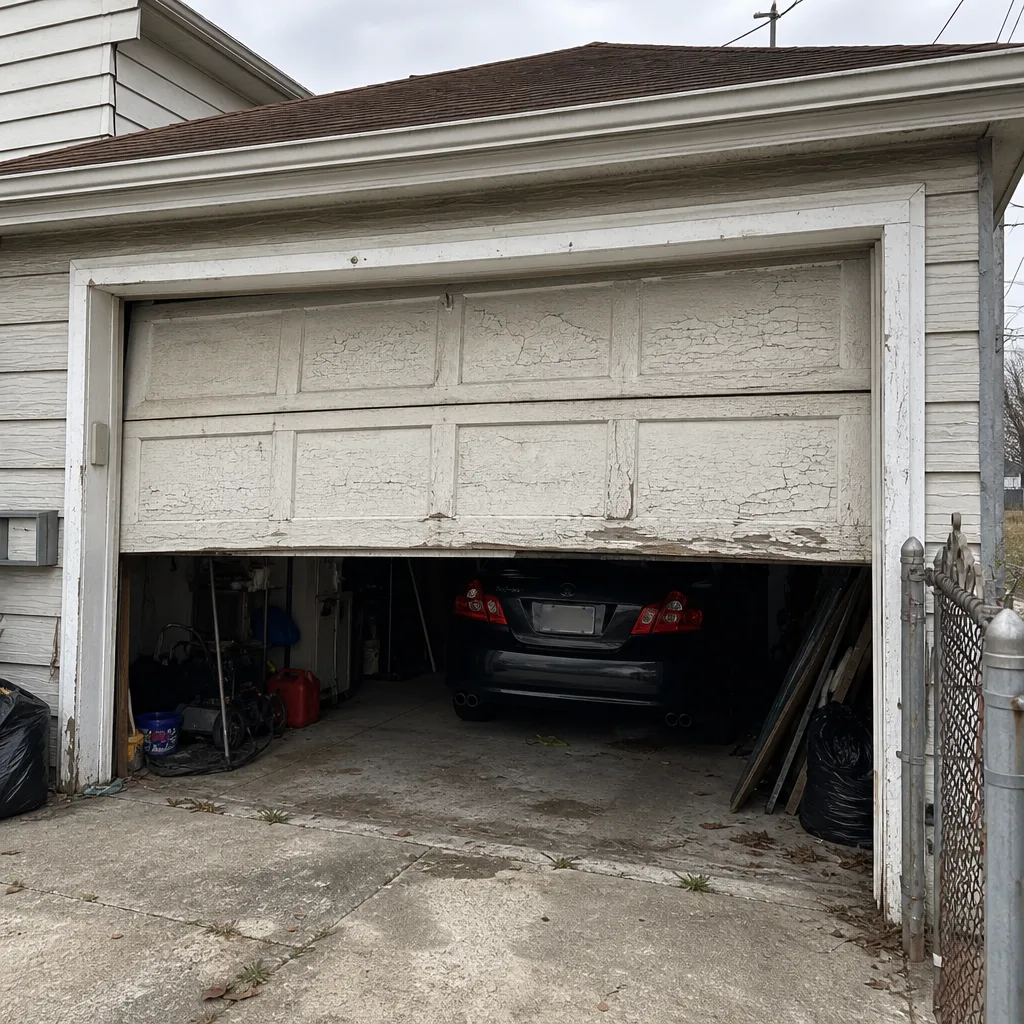 Before
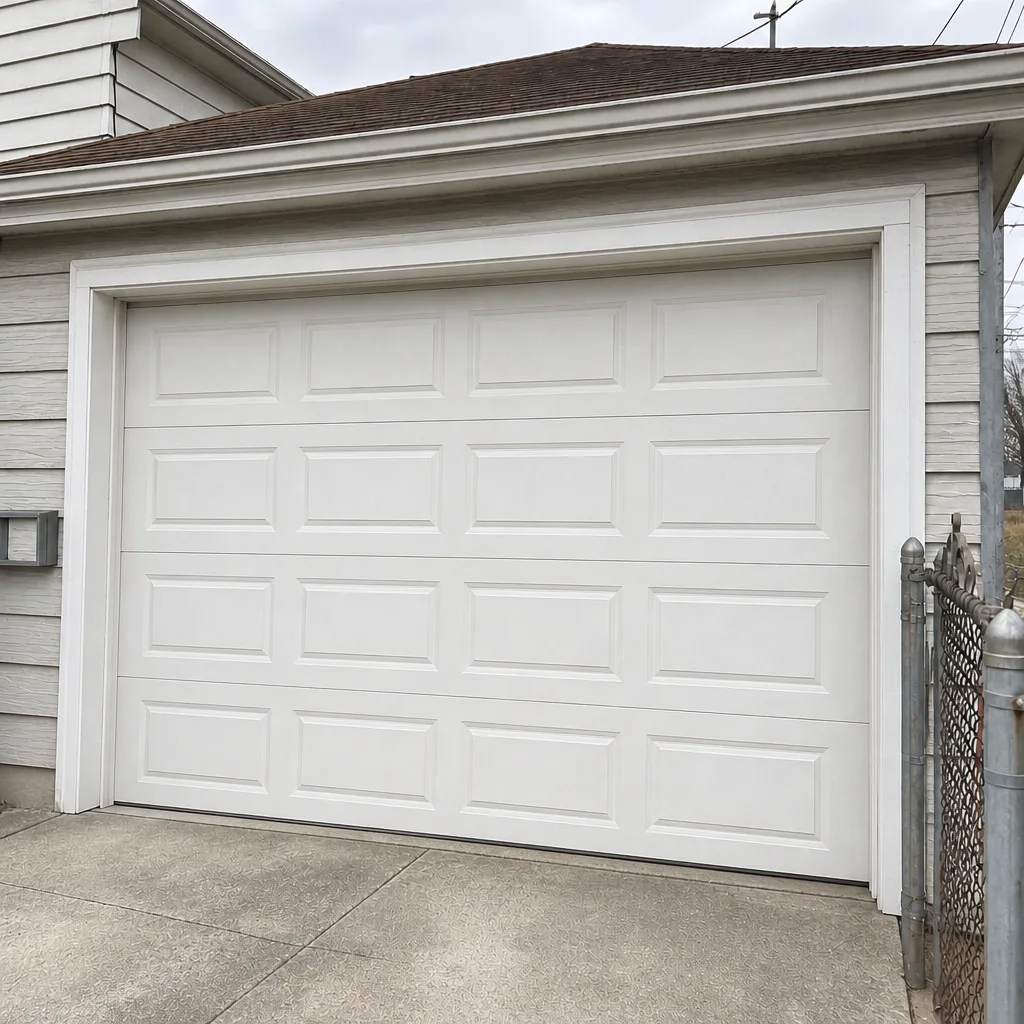 After
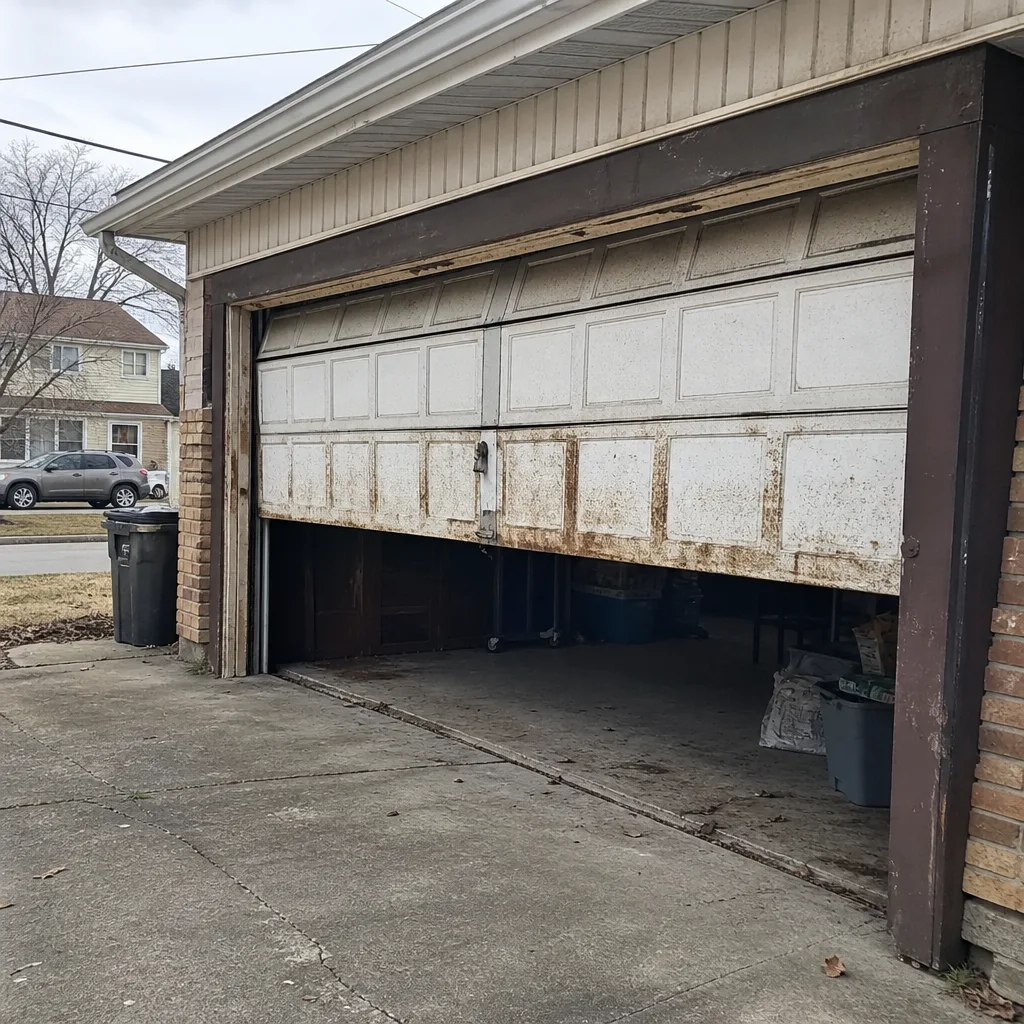 Before
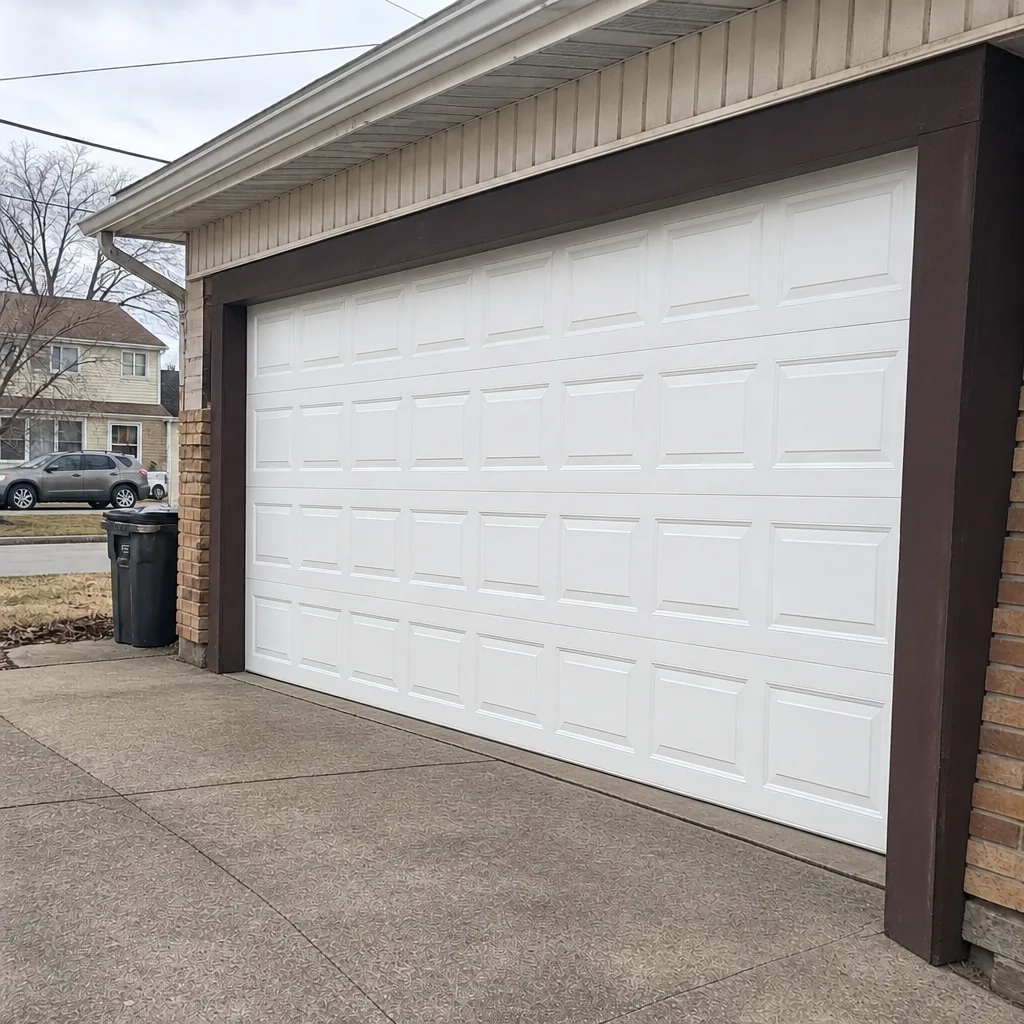 After
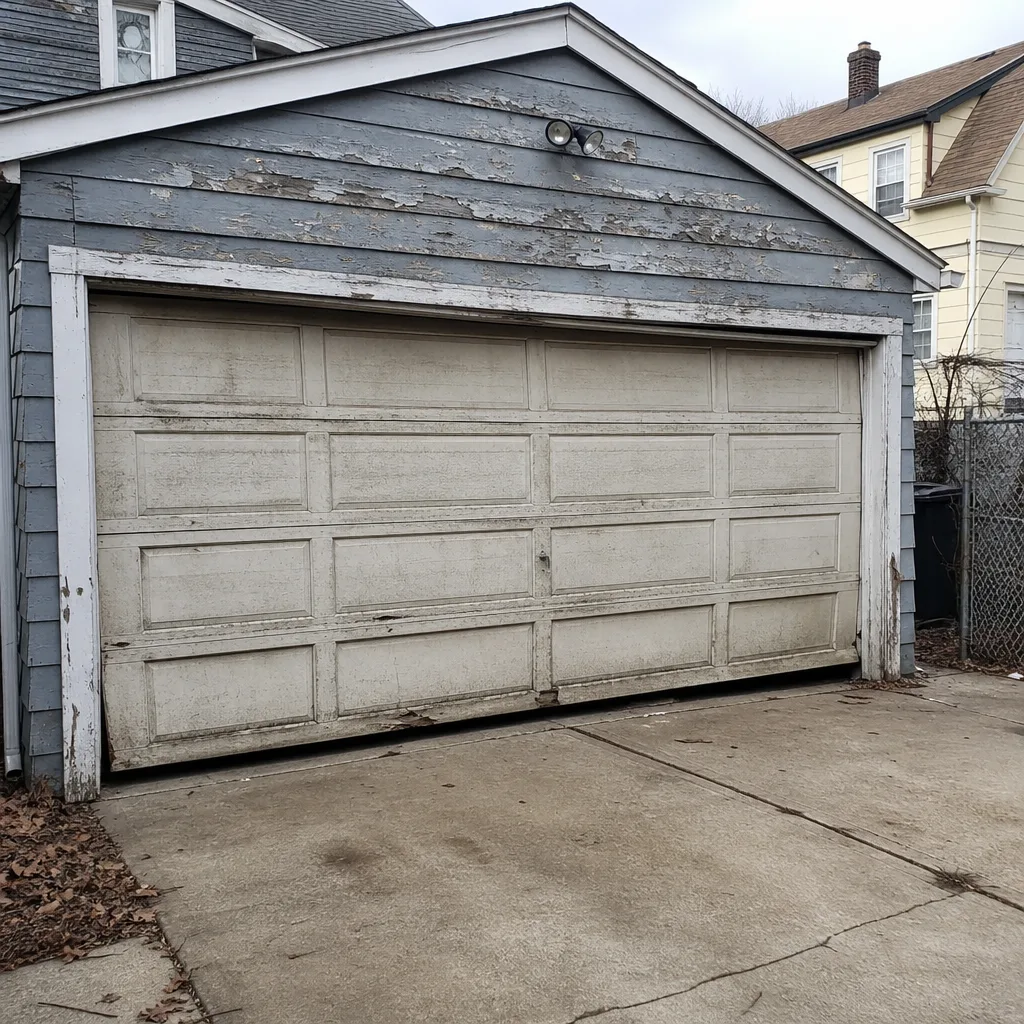 Before
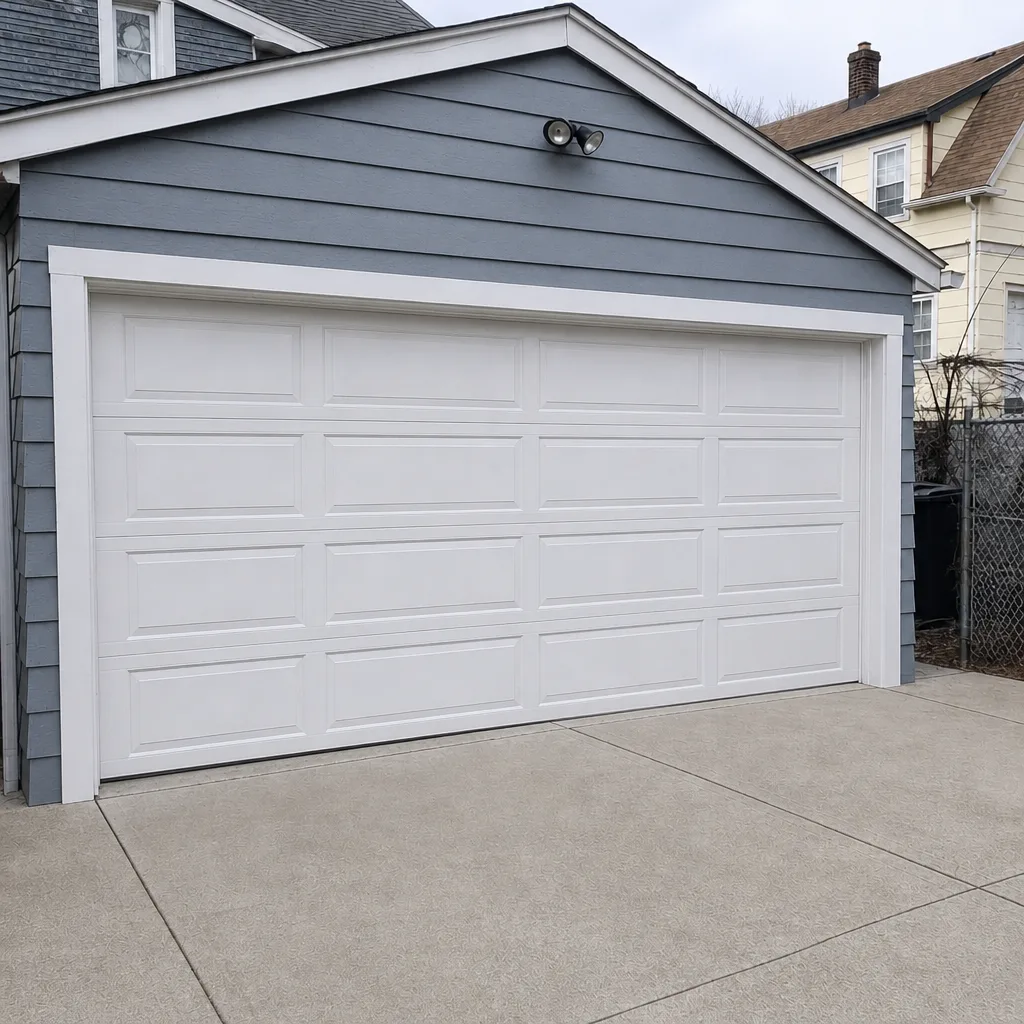 After
Common Mistakes to Avoid
- Assuming every problem is the opener. In our experience, the opener is often the victim, not the cause. A door that’s lost spring tension puts enormous stress on the motor; replacing the opener without fixing the balance issue means you’ll be replacing it again soon.
- Forcing a stuck door by hand. If the door won’t lift, don’t tug it. A broken spring means the door is unsupported, and yanking it can cause a cable to snap or the door to come off track entirely. Especially dangerous on older Newark doors where the tracks may already be worn.
- Using the wrong lubricant. WD-40 or household oil will attract dirt, gum up the track, and make the problem worse. Use a garage-door-specific lubricant on hinges and rollers, and keep WD-40 away from the spring entirely.
- Ignoring seasonal binding. A door that sticks in winter and works fine in spring is telling you the seal is stiff or the lubricant is wrong for the temperature. Ignoring it for two seasons will cost more than fixing it once.
- Treating a bent track as DIY. You can nudge a sensor housing. You can’t bend a steel track back straight by hand without kinking it. A marginal-looking bend will cause rollers to bind and the door to pop off track.
- Replacing a remote without checking the battery and learn button first. Nine out of ten remote problems are a dead battery, an out-of-sync remote, or a logic board that needs a reset. Try the simple things first.
- Skipping the balance test after any repair. After a spring or cable replacement, the door needs a balance check. Skipping it means the next failure is on you, not the parts.
When to Call a Professional
Call a trained technician immediately if you see any of the following: a visible gap in a torsion or extension spring; a cable that’s come off its drum or is hanging slack; a door that hangs crooked; a door that won’t lift at all; an opener that smells burnt, smokes, or keeps tripping a breaker; a track that’s bent or visibly out of line; or any door that fails the balance test after you’ve lubricated and tested the sensors. Don’t press the button repeatedly hoping it will fix itself, and don’t try to lift the door by hand to test it. These situations involve stored tension or electrical components that can cause injury.
For the smaller stuff – sensor alignment, remote programming, and lubrication – we’re happy to talk you through it on the phone. And if you want the job diagnosed properly the first time, Newark Garage Door Service offers free estimates in Newark. Call (866) 942-6834. We answer 24/7. Fast dispatch from 7am to 7pm, Sunday through Friday. Our technicians have up to 9 years of experience, and we work with eight of the most widely installed residential brands in the country, so we already know your system before we arrive.
Frequently Asked Questions
Look for a visible gap of two to three inches in the horizontal spring above the door, running parallel to the header. A broken torsion spring separates cleanly, and the door will feel extremely heavy when the opener tries to lift it. Don’t touch the spring – call a professional for any suspected spring failure.
Many repairs can be handled same day, especially sensor issues, remote problems, and opener faults. Spring and cable repairs depend on the parts your door requires and are scheduled around the diagnosis. Call (866) 942-6834 for an exact quote – estimates are free. We answer 24/7, with fast dispatch from 7am to 7pm, Sunday through Friday.
The safety sensor circuit is almost always the cause. Either a sensor is misaligned, the lens is dirty, or the beam is blocked by an object at floor level. Check that both sensor LEDs are lit steady, clean the lenses, and gently adjust the housing if one light is off. If the lights won’t come on after that, the sensor may be faulty and needs a technician.
The flashing LED on your motor housing is a diagnostic code. LiftMaster and Chamberlain share a code platform that uses flash patterns to distinguish sensor faults, force faults, travel-limit faults, and logic board faults. Genie units have their own sequences. Count the flashes, pause, and count again, and call us with the number – we can tell you exactly what your model is reporting.
Yes. Many homes in Newark were built when garage-door standards were less uniform, so headers and openings aren’t always at standard height or square. This matters most during replacement or new installation, when the opening has to be measured carefully before anything is ordered. On older doors, track wear and roller wear also tend to be more advanced, so balancing and lubrication services are worth keeping up with.
No. We quote the job and agree on the price with you before any work starts. The written estimate sets the final price. If we discover during diagnosis that the fix is different from what was quoted, we’ll walk you through the change and get your approval before doing the work. Call (866) 942-6834 for an exact quote – estimates are free.
Yes. Our technicians are state-licensed and the business is insured and bonded. We work with eight leading brands – LiftMaster, Chamberlain, Genie, Clopay, Amarr, Wayne Dalton, Craftsman, and Raynor – so we can diagnose the specific system you already own rather than defaulting to a replacement sale.
The Bottom Line
Garage door problems are rarely mysteries. They sort into four categories – mechanical, electrical, structural, and weather-related – and once you know which category you’re in, you know whether you’re looking at a quick fix or a real repair. Mechanical failures (springs and cables) are a hard stop for anyone without training; electrical issues often start with sensor alignment or a blink code; structural problems develop gradually and are usually fixed with lubrication and adjustment; and Newark’s older housing stock and cold snaps add a few local wrinkles worth understanding. Diagnose by symptom cluster, not by guessing at parts. When in doubt, stop and call.
If you need help sorting out your door, call Newark Garage Door Service at (866) 942-6834 for a free estimate. We answer 24/7, with fast dispatch from 7am to 7pm, Sunday through Friday. Whether it’s a repair, a garage door opener repair, or a full new installation, it’s all under one roof – and the written quote you agree to before we start is what you’ll pay. Our technicians have up to 9 years of experience, and we’re the team Newark homeowners call when they want the specific brand they already own serviced correctly the first time. Service for Newark and the surrounding area, from diagnosis through completion. Visit Newark Garage Door Service to get started.
Written by the team at Newark Garage Door Service.