
Last updated November 14, 2026
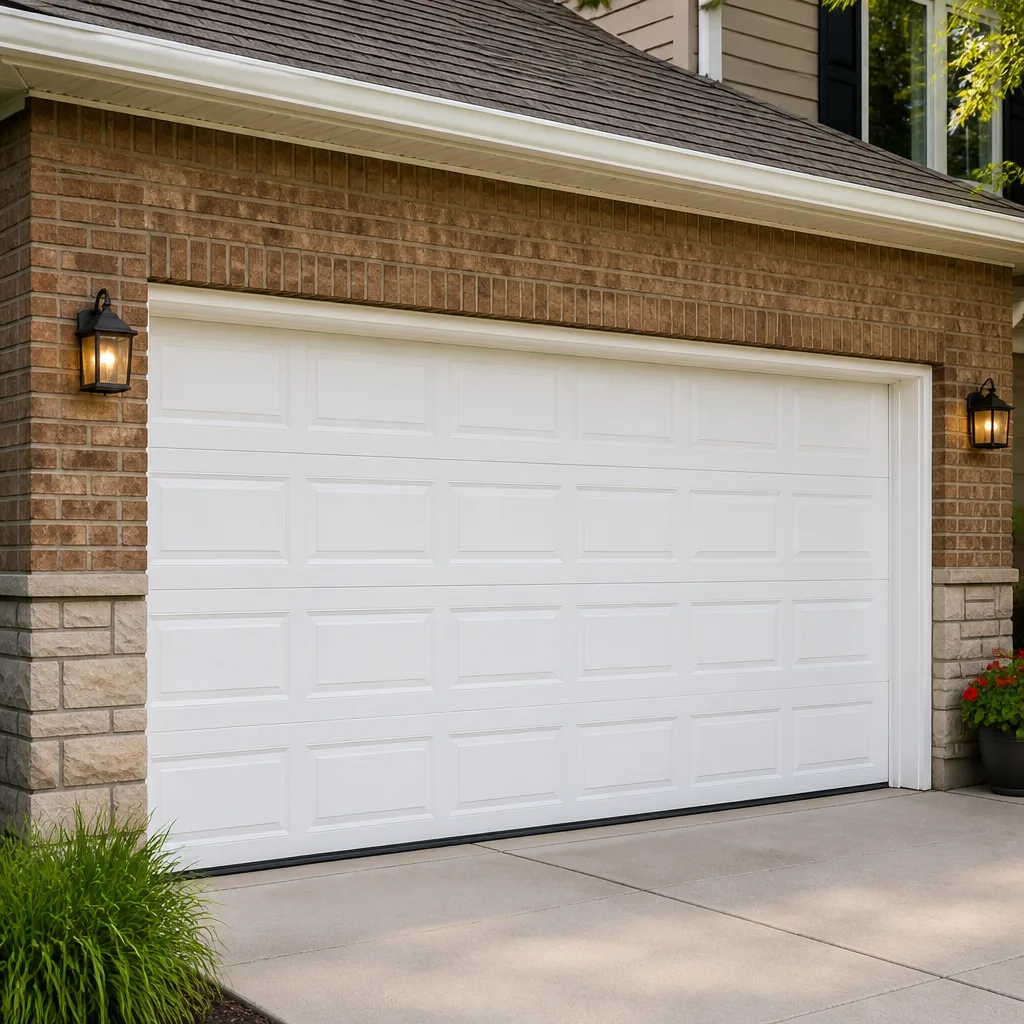 Raised-panel steel
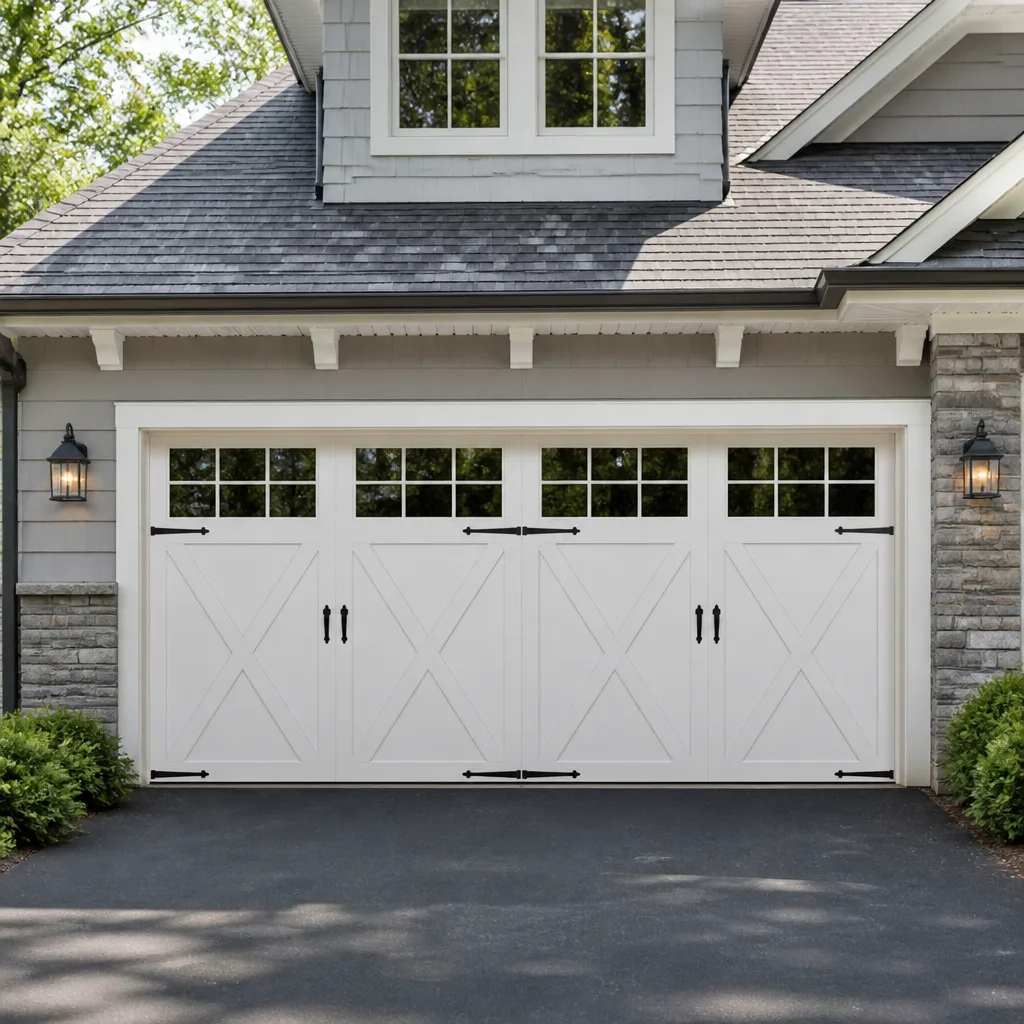 Carriage house
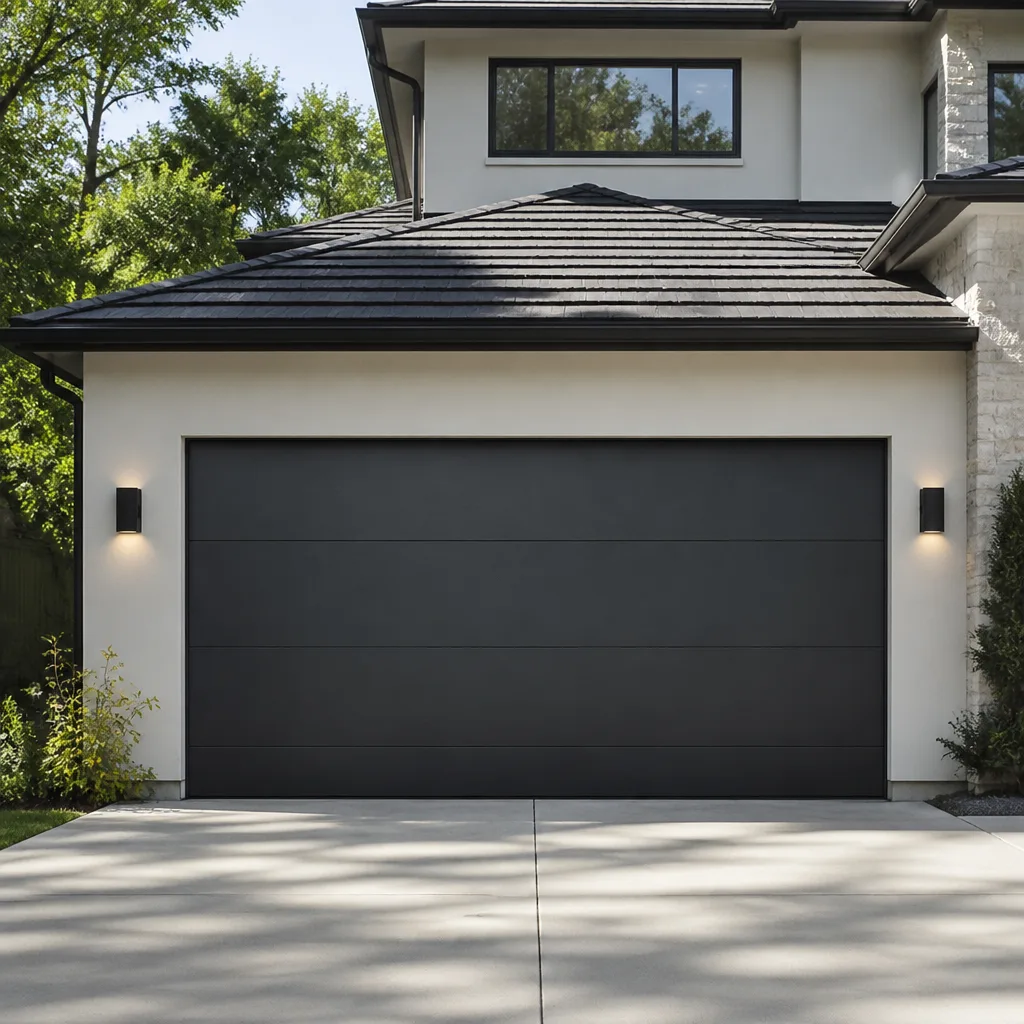 Modern flush
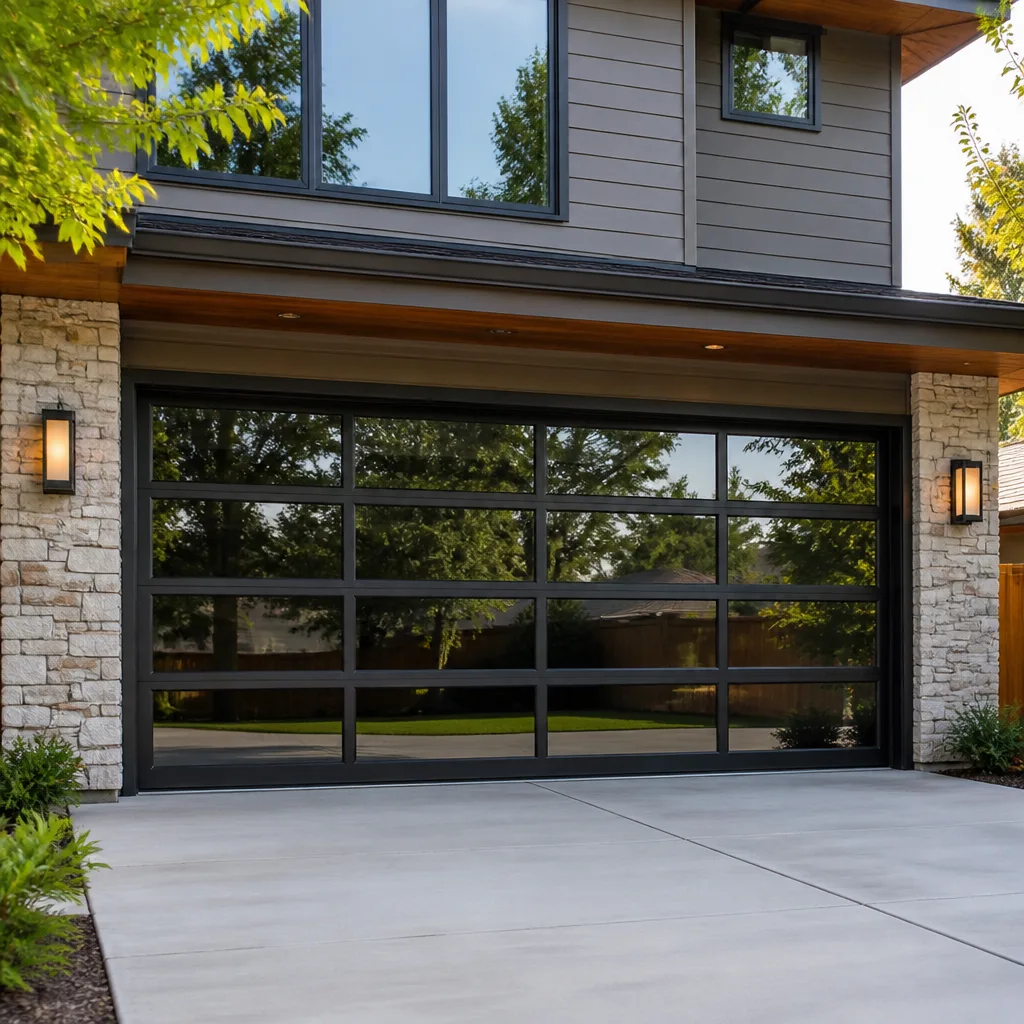 Full-view glass
 LiftMaster openers
 Chamberlain openers
Full 25-point door and opener safety check with every visit - springs, cables, rollers, tracks, and your LiftMaster or Chamberlain opener included
You get a price before we start. It does not change when the pro arrives.
Get your free estimateGarage Door Warning Signs: A Newark Homeowner’s Reference Guide
A garage door that hesitates for two seconds before it moves isn’t “getting old.” It’s a torsion spring that has lost enough tension to make the opener work at the edge of its torque rating, and the next failure mode is the spring snapping mid-cycle. That’s the trouble with most warning-sign advice: it tells you the door is louder, slower, or crooked, but never what the symptom actually means. A homeowner who can’t name the failing part usually waits too long, calls the wrong trade, or describes the problem in a way that gets the wrong fix. This guide pairs each observable sign with the component behind it and a clear call: monitor it, schedule it, or stop using the door now. We’ll also cover the signs that only show up inside your Newark garage, and the three that mean the door shouldn’t move again until someone qualified looks at it.
Quick Answer
Garage door warning signs fall into four groups: noise (grinding, popping, scraping), movement (hesitation, uneven travel, reversal), appearance (rust, frayed cables, bent sections), and interior clues (ceiling stains, cracked drywall near the header). Three signs mean stop using the door immediately – a broken spring strand, a frayed cable, and a bent bottom section – because continued use escalates the damage and the repair cost. The rest can be monitored or scheduled, but each one points to a specific component, and naming that component is the difference between a quick fix and a replacement.
Styles & brands we work with
- Raised-panel steel
- Carriage house
- Modern flush
- Full-view glass
- LiftMaster openers
- Chamberlain openers
Table of Contents
- The Symptom-to-Component Map
- The Three Signs That Mean Stop Using the Door Now
- Opener Motor Wear vs. Mechanical Door Drag: The Disconnect Test
- Corrosion and Rust: What Newark Homeowners Should Look For
- Warning Signs Inside the Garage
- Decoding the Noises: What Each Sound Tells You
- Monitor, Schedule, or Stop: A Simple Decision Framework
- What Garage Door Repair Costs in Newark
The Symptom-to-Component Map
Every garage door problem starts as a symptom you can observe long before it becomes a failure. The trick is translating what you see and hear into which part is struggling. This table-style breakdown covers the signs we’re asked about most often in Newark, and the component behind each one.
- Door hesitates or pauses at the start of travel – a torsion spring that has lost tension. The opener is compensating for a spring that isn’t lifting its share of the door weight.
- Loud bang from the garage, door won’t lift – a broken torsion spring. The door becomes extremely heavy and the opener can’t safely move it.
- Grinding or scraping as the door moves – worn rollers, dry hinges, or a track that’s out of alignment.
- Door drifts down a few inches after closing, or reverses on its own – a misadjusted travel limit or a safety sensor issue.
- Door closes crooked or gaps at one corner – a stretched or frayed cable on one side, or uneven spring tension.
- Remote works only up close – a failing opener receiver, a weak battery, or interference on the opener’s frequency.
- Opener runs but door doesn’t move – a stripped drive gear, a broken belt or chain, or a disconnected trolley.
- Visible rust on the spring coils – early corrosion that weakens the spring wire and shortens its life.
What makes this map useful is that it lets you describe the problem precisely when you call. A homeowner who says “the door grinds and the opener strains” gets a totally different diagnosis than one who says “the door is slow.” If you already know which component is likely at fault, our garage door repair team can confirm it fast and bring the right part the first time – which is what single-trade focus buys you.
The Three Signs That Mean Stop Using the Door Now
Three visible conditions are non-negotiable: stop operating the door and get a trained professional to look at it. These aren’t “monitor it” signs. They’re “leave the door where it is” signs.
- A broken spring strand. Torsion springs are made of coiled steel wire under enormous tension. A single broken strand is the spring’s warning shot. Continuing to cycle the door loads the remaining strands unevenly, and the next failure is a full break – often mid-cycle with a loud bang. A broken spring on a residential door usually costs $180 to $340 for one spring, and a matched pair is usually replaced together, so a pair runs about $360 to $680. Continuing to run the door on a compromised spring can also burn out the opener, which turns a spring job into a spring-and-opener job.
- A frayed or kinked cable. Cables carry the door’s weight during travel and keep it level. A frayed cable is a snapped cable waiting to happen, and a snapped cable under tension is genuinely dangerous. It can whip, damage the door panel, or drop the door unevenly. Do not touch a frayed cable. Don’t try to re-spool it. Call for someone qualified.
- A bent bottom section. A bent bottom panel is often the result of the door hitting an obstruction – a car bumper, a bike, uneven pavement, or a jammed track. Once the bottom section bends, the door no longer seats evenly, the weather seal fails, and the panels above it begin to stress. A bent bottom section that you keep operating can cause the door to bind in the track and drag the opener into premature failure.
One rule of thumb: any visible damage, cracking, or deformation in a spring or cable is a stop signal. Springs and cables are the dangerous parts of any garage door. Tensioned parts can injure you badly if you attempt a repair yourself, which is why we always recommend a trained technician for anything that involves them.
Opener Motor Wear vs. Mechanical Door Drag: The Disconnect Test
One of the most common misdiagnoses in garage doors is blaming the opener when the door is actually dragging. The opener is the strongest part of the system, but when the door’s mechanism gets stiff, the opener pulls against it – and eventually the opener loses. If your door is straining, the first question to answer is: is the problem the motor, or the door? There’s a safe way to find out.
The manual disconnect test isolates the opener from the door. With the door in the closed position, pull the red emergency release handle so the opener trolley disconnects from the door arm. Now lift the door by hand.
- The door lifts easily and stays up – the springs are balancing the door properly and the opener is probably the source of the problem.
- The door is heavy and drops or won’t stay up – the springs have lost tension or a spring is broken. That’s a mechanical problem, not an opener problem.
- The door moves freely but makes scraping or grinding sounds – the rollers, hinges, or track are the culprit. Lubrication or adjustment is likely needed.
- The door binds or sticks midway – the track is out of alignment, or one roller has failed.
- Reconnect the door – push the door back down, then pull the release handle again to reconnect. Test the opener with a short cycle.
If the opener alone is the problem – and it’s a LiftMaster, Chamberlain, Genie, Craftsman, or Wayne Dalton unit, which are among the most widely installed on Newark homes – our garage door opener repair specialists diagnose motors, drive systems, remotes, and smart-system components on their own merit rather than pushing you into a full replacement. Brand-specific knowledge matters here: some issues are common to a specific drive type, and knowing the model saves diagnostic time.
Corrosion and Rust: What Newark Homeowners Should Look For
Newark’s climate is a real factor in garage door wear. Winters bring road salt into the garage on tires and boots, humidity runs high in summer, and the temperature swings between seasons expand and contract metal repeatedly. Springs, hinges, rollers, tracks, and cables all sit inside that moisture cycle, often in a garage with limited airflow.
The critical distinction with rust is between surface rust and structural rust.
- Surface rust on springs looks like a light orange-brown film across the coil wire with no pitting or flaking. Clean it up if you want, but more importantly watch it. Surface rust on springs is a sign that the spring is aging and losing strength.
- Structural rust on springs and cables shows up as pitting, flaking, or thinning of the wire itself. This is the warning that the metal has lost cross-sectional strength. A pitted spring is a spring near failure. A pitted or thinning cable is the same – stop using the door and call.
- Rust at the hinge points and roller stems shows up as discoloration and stiffness where moving parts should pivot freely. When hinges seize, the door binds and the opener has to work harder than it should.
- Rust on the bottom section and bottom seal area is common where moisture collects. Watch for panel edges starting to bubble or lift. That’s a coating failure that invites deeper corrosion into the panel.
The practical move: inspect the coils, cables, hinges, and bottom section every few months, especially at the start of winter and again in spring. If you’re seeing structural rust on a spring or cable, that’s a stop-and-call moment, not a “spray it with something and hope” moment.
Warning Signs Inside the Garage
Not every warning sign is on the door. Some of the most important ones show up on the garage walls and ceiling – and a lot of homeowners miss them because they only look at the door itself. These signs point to forces the garage door system is transmitting into the structure.
- Ceiling stains above the door can indicate moisture problems, roof leaks, or condensation affecting the header and framing above the opening. A stained ceiling near the header is worth investigating even if the door seems to be working.
- Drywall cracks near the header are the classic indication that the structure above the garage door opening is moving or stressed. The header is the beam that carries the wall above the opening. When that beam is under stress, the drywall around it cracks. This isn’t a door problem in itself – it’s a structural signal the door installation may be masking.
- A sagging header or lintel – look for the door opening itself getting out of square, or the top of the frame no longer parallel with the door panels. This is serious. Stop using the door and get the structure assessed.
- Loose track bolts or wall plates pulling away – the vertical track is anchored into the garage wall framing. If the anchors are pulling out or the track is loose, the door is no longer being held in alignment.
- Standing water or damp patches along the door base – water intrusion at the threshold feeds rust into the bottom section rail and cable area.
We’re garage door specialists, not structural engineers. When we see drywall cracks, ceiling stains, or a header that looks out of square, we say so plainly and recommend the homeowners have the structure assessed. What we can confirm is whether the door system is contributing to the problem – through track misalignment, uneven spring tension, or a door that’s dragging – and we fix that side of the equation.
Decoding the Noises: What Each Sound Tells You
Sound is one of the earliest warning systems a garage door gives you. Most noises point to a specific part, and each sound tells you how quickly you should act. Here’s how to read them.
- Grinding or scraping – metal-on-metal contact. Often dry rollers, worn hinges, or the door rubbing the track. Usually a schedule-it-soon issue, but if it’s coming from the cable or drums, stop and call.
- Popping or snapping – a spring shifting under tension, loose track hardware, or a cable jumping its drum. A single pop is a signal to inspect; repeated popping means stop using the door.
- A single loud bang from the garage, followed by the door not lifting cleanly – a broken torsion spring. Stop using the door.
- Rattling or vibration – loose bolts, worn rollers, or a door panel that’s vibrating as it moves. Often a simple tightening or roller replacement.
- Squealing – dry moving parts, usually the rollers or hinges. Lubrication usually quiets it.
- Clicking that repeats – the opener’s travel limits or the safety reversing system interfering with the door. The door may be reversing on contact with an obstruction it shouldn’t be contacting.
Newark homes tend to sit on tighter lots, and the garage is often the most-used entry point in the house. That means the door cycles dozens of times a week – more than most homeowners realize – and early noises are easy to tune out. If a sound is new, treat it as information. Write down what it sounds like and where it seems to come from. That description is gold when you call.
Monitor, Schedule, or Stop: A Simple Decision Framework
Not every warning sign is an emergency, but every warning sign needs an owner. Here’s a simple framework for deciding what to do when you spot one.
- Monitor – light surface rust on springs, mild noise from one hinge, or a remote with a weak battery. Watch it, note whether it’s changing, and plan a routine inspection.
- Schedule – grinding or squealing that persists, uneven travel, a door that hesitates, a remote that only works up close, or a bottom seal that’s starting to degrade. Book a repair appointment, don’t put it off for months, because these conditions usually worsen.
- Stop – a broken spring strand, a frayed or kinked cable, a bent bottom section, cracks near the header, or a door that’s visibly sagging or binding. Disconnect the door and get a professional out.
Prices typically start with a free estimate. A typical repair job – new rollers, adjustment, a service kit – usually runs $120 to $280. Spring replacement runs $180 to $340 for one spring (a pair, $360 to $680). A full opener replacement runs $420 to $880 installed, and a new door installed typically runs $900 to $2,800 depending on material, size, and style. Whatever the job, the written estimate sets the final price. We quote and agree the number before any work starts.
What Garage Door Repair Costs in Newark
Below are typical estimated ranges for common garage door work in the Newark area. These are estimates, not exact prices – the written estimate is the number that matters.
| Job | Typical Estimated Range |
|---|---|
| Routine service or tune-up | $120 – $280 |
| Spring replacement, one spring | $180 – $340 |
| Spring replacement, matched pair | $360 – $680 |
| Cable replacement | $180 – $420 |
| Roller, hinge, and hardware replacement | $150 – $350 |
| Opener replacement, installed | $420 – $880 |
| New door installed | $900 – $2,800 |
Two things to understand about these ranges. First, a spring price is per spring. A matched pair is generally replaced together because both springs have seen the same cycles, so a pair costs about twice the single-spring figure. Second, the written estimate is the price. If something unexpected turns up after we start – a bent track, a failing panel – we stop and tell you before we go further. You agree the revised number, or we don’t proceed. Call (866) 942-6834 for a free estimate – we’ll come out, inspect the door, and give you the number in writing.
Common Mistakes to Avoid
- Blaming the opener when the door is dragging. Before you spend money on a new opener, disconnect the door and lift it by hand. If the door is heavy or binds, the problem is mechanical, and a new opener will simply work harder against the same problem until it fails too.
- Trying to fix a spring or cable yourself. Torsion springs and cables are held under significant tension, and the failure mode is violent. We always recommend a trained technician for anything involving springs, cables, or the drums they wind around. This is the one place we recommend you stay out.
- Ignoring a single broken spring strand. It’s tempting to keep using the door because it still lifts. Don’t. The remaining strands are weakened, and the eventual full break can take the opener down with it.
- Letting rust on springs go unaddressed. In Newark’s humid summers and road-salt winters, structural rust on a spring is a countdown. A pitted spring is not a spring you wait on.
- Overlooking drywall cracks near the header. Cracks in the drywall above the garage door opening or a sagging header is a structural warning, not a cosmetic one. Have it assessed.
- Assuming you need a whole new door when you need a repair. A door that’s noisy, crooked, or slow isn’t necessarily a replacement candidate. Many doors and openers can be repaired and brought back to reliable service.
- Calling a general handyman for a garage door problem. Garage doors are their own trade. A specialist diagnoses the actual component faster, matches the right part (whether your door is Amarr, Raynor, Clopay, or another leading brand), and is less likely to come back twice.
See the difference
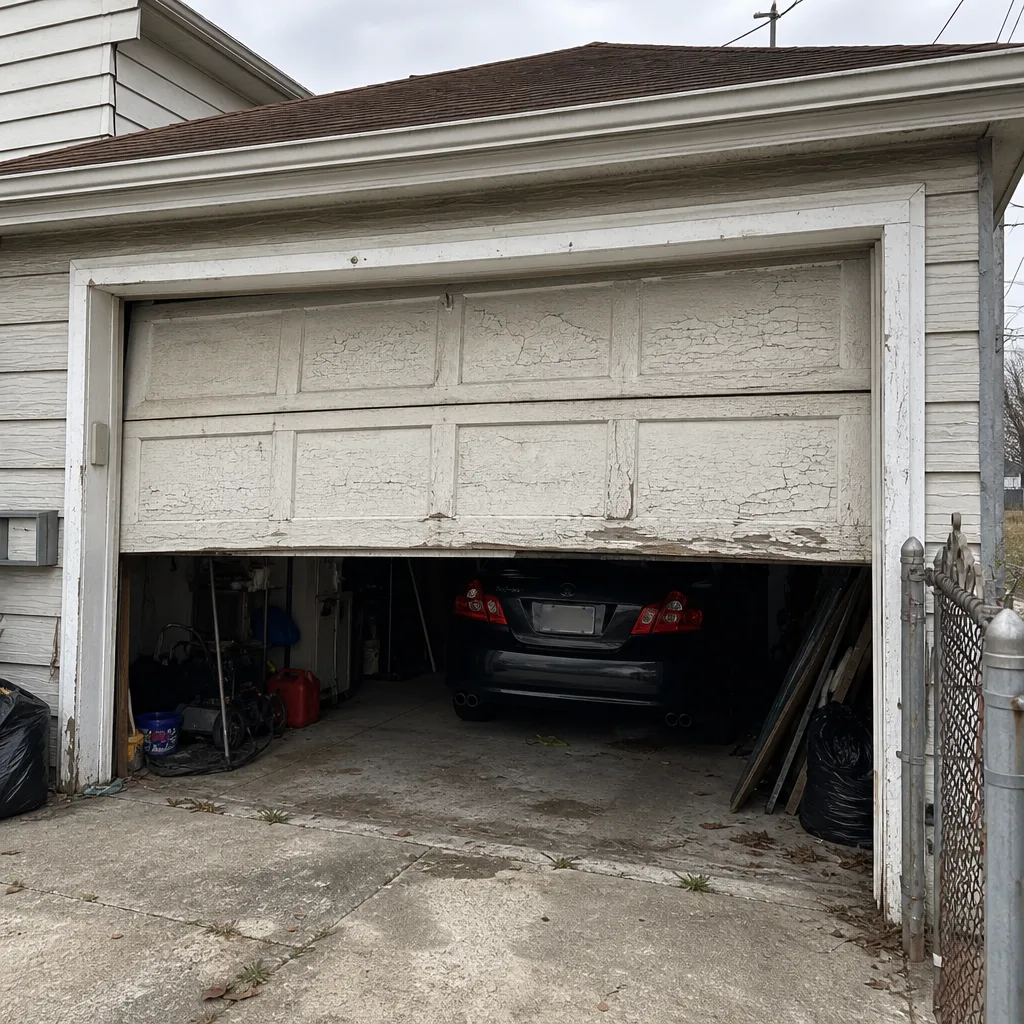 Before
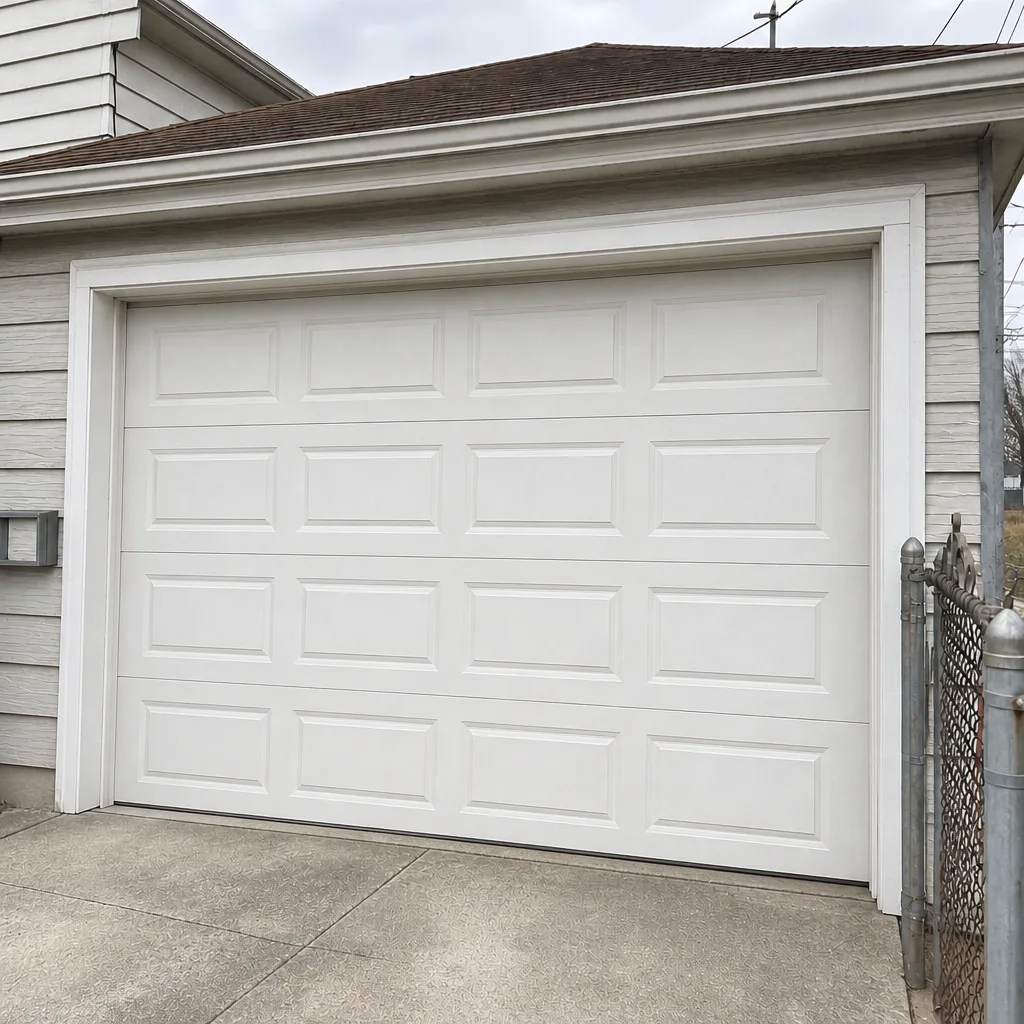 After
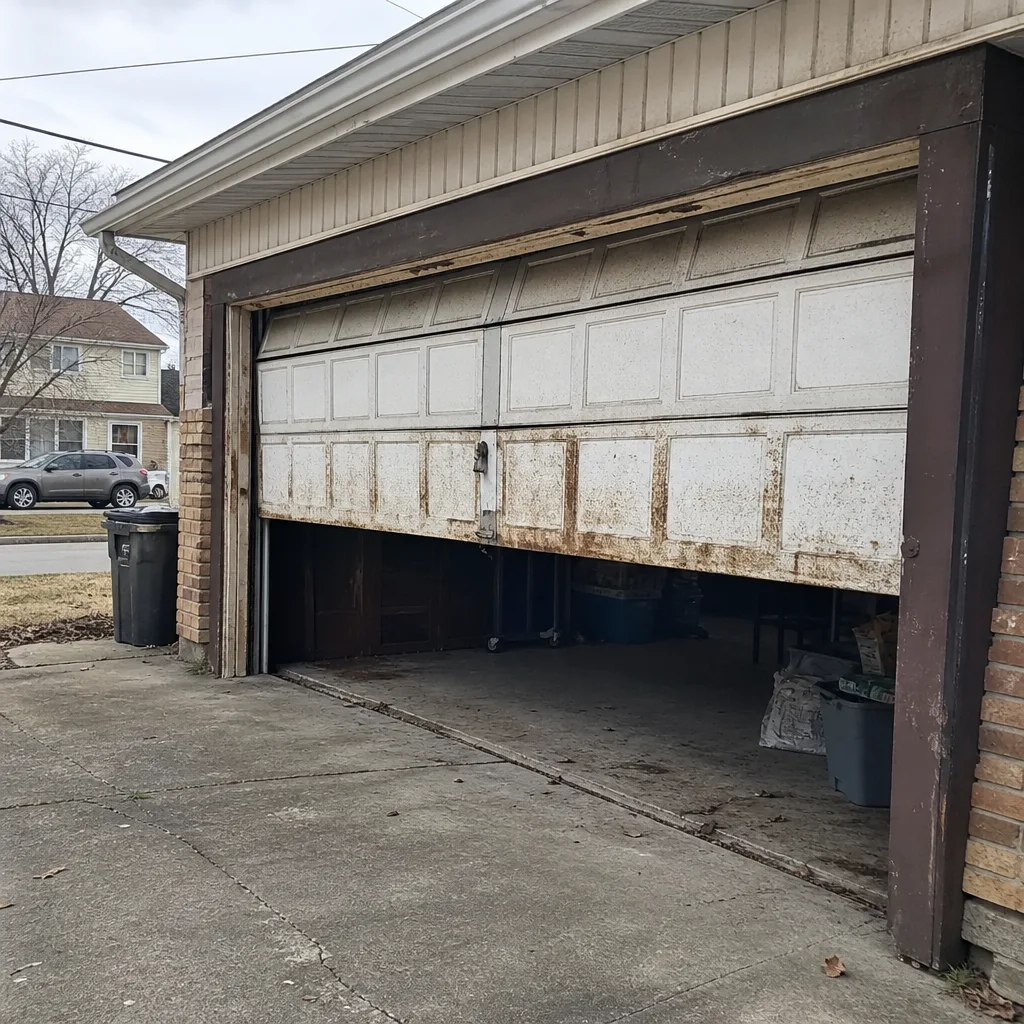 Before
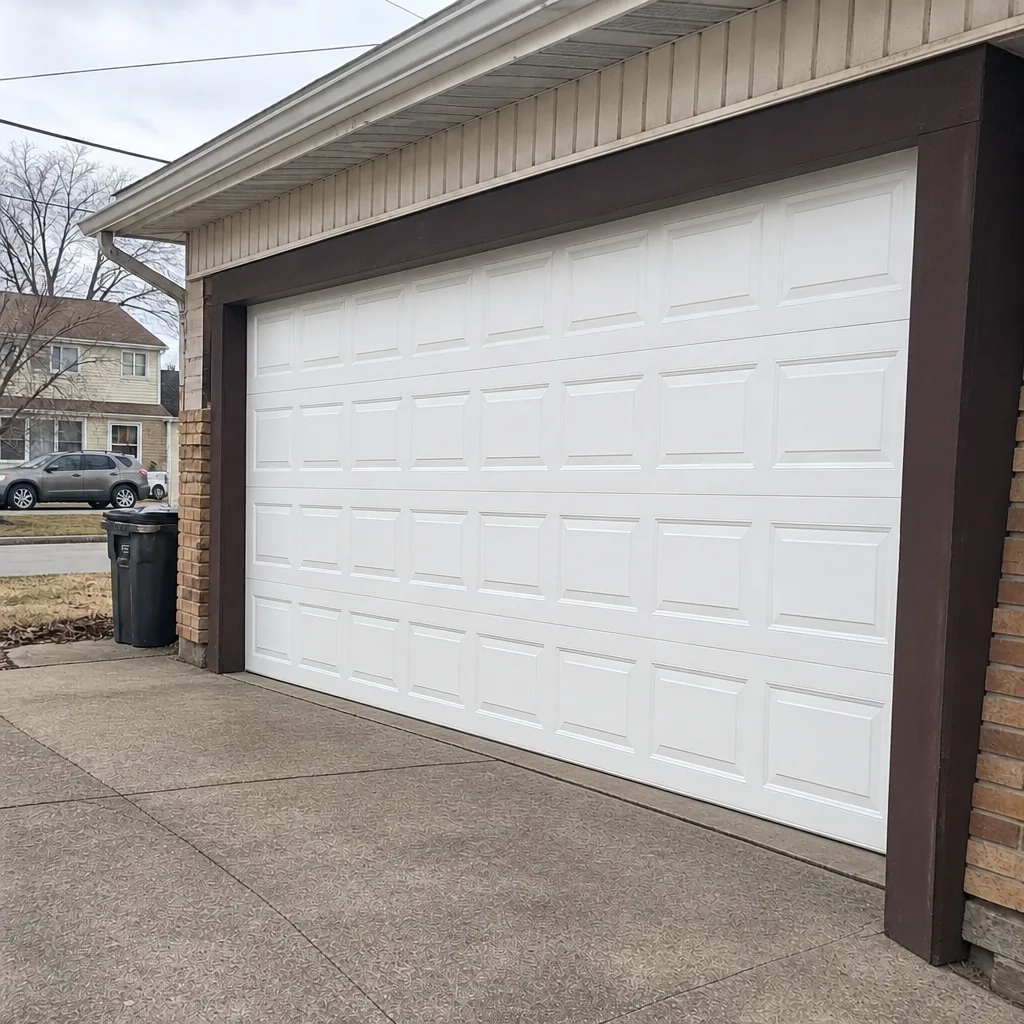 After
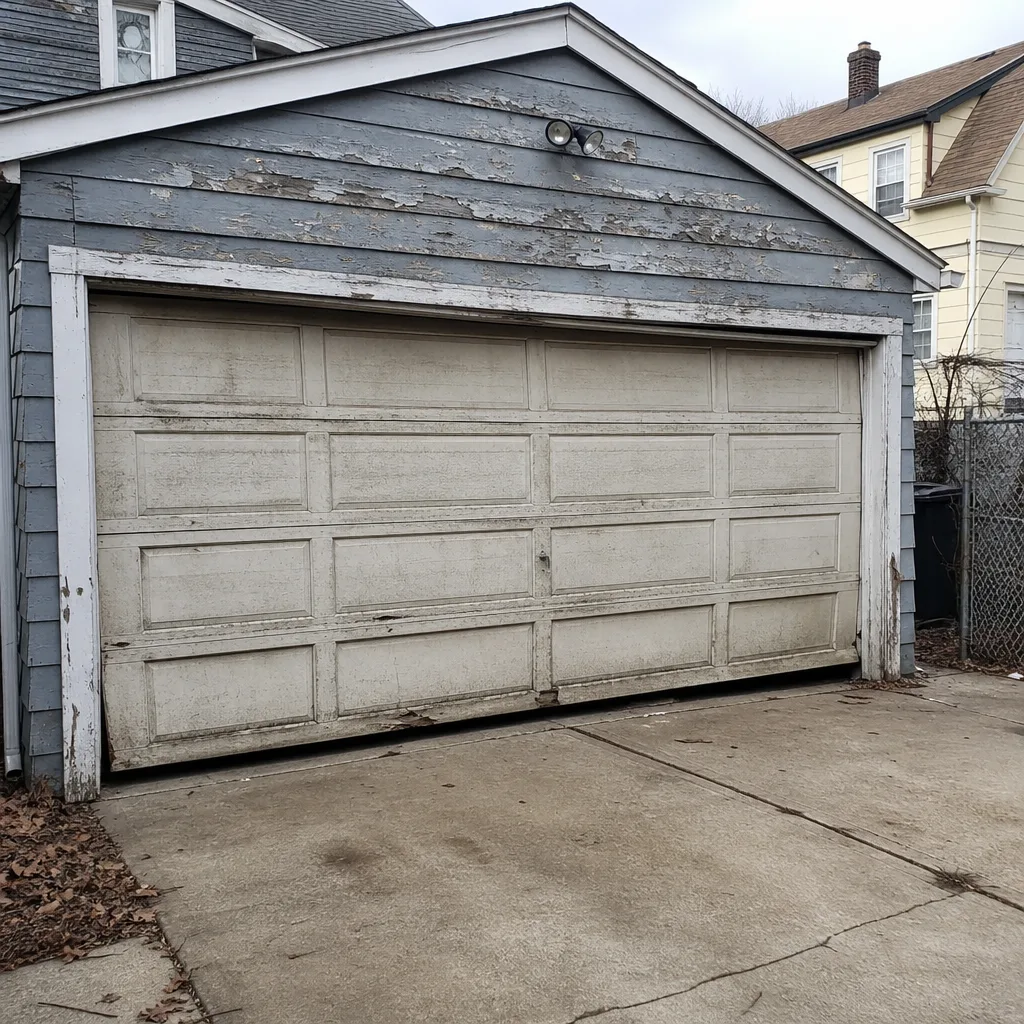 Before
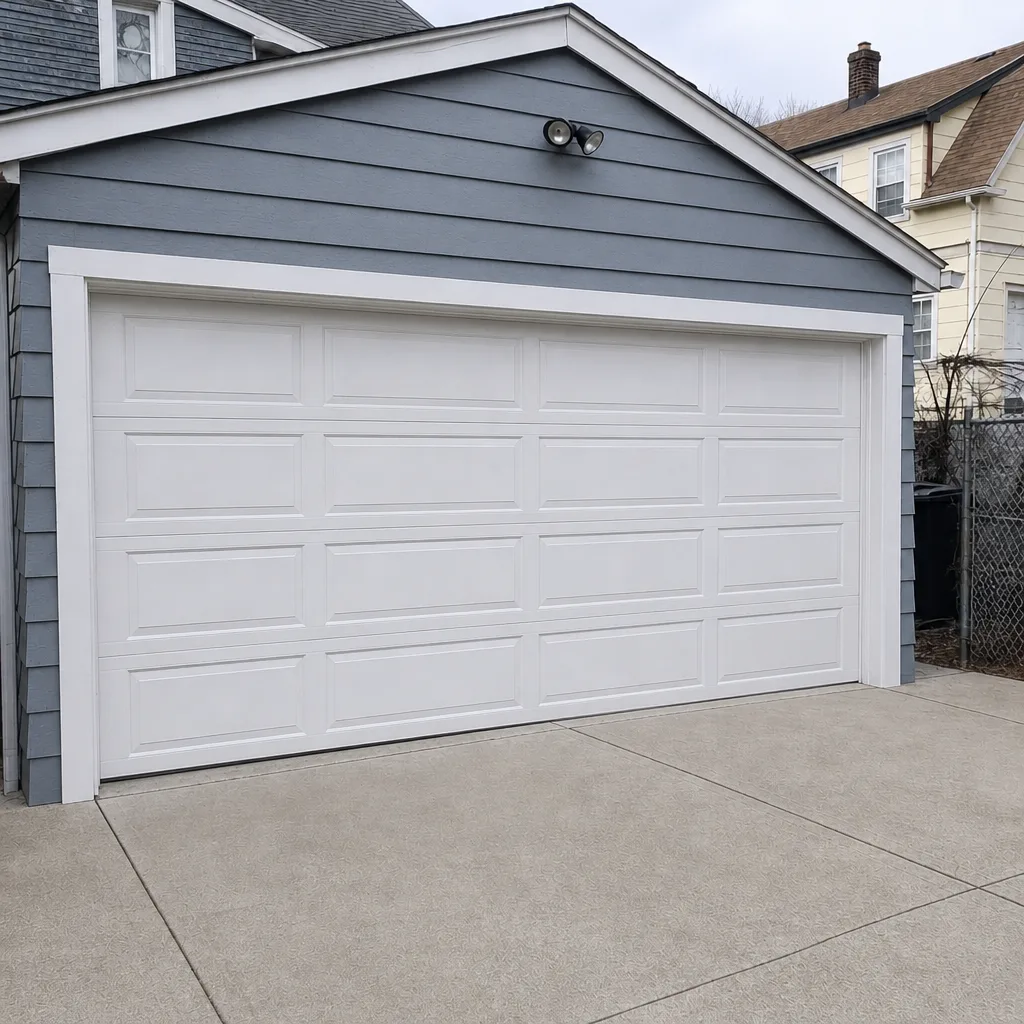 After
When to Call a Professional
Call us when the door makes a noise that wasn’t there before, when it moves unevenly or hesitates, when a remote stops working reliably, or when you see rust, fraying, or a bent panel. Call us especially if the door won’t lift at all, or if you’ve disconnected it and it won’t stay up. Anything involving springs or cables is a professional job – no exceptions. And if you notice cracked drywall, a stained ceiling near the header, or a door opening that looks out of square, call us and we’ll tell you whether the door system is contributing. Newark Garage Door Service offers free estimates in Newark – call (866) 942-6834. We answer 24/7. Fast dispatch from 7am to 7pm, Sunday through Friday. Our technicians have up to 9 years of experience, and we work on your brand, whether that’s LiftMaster, Chamberlain, Genie, Clopay, Amarr, Wayne Dalton, Craftsman, or Raynor.
Frequently Asked Questions
The most common warning signs are a door that hesitates before lifting, grinding or scraping noise during travel, rust on the springs, and a remote that only works up close. In Newark, add road-salt corrosion on springs and cables to that list, because the winters push salt into the garage. Any of these is worth a call – a free estimate tells you what’s actually going on.
Look for visible rust with pitting or flaking on the spring coils, a door that hesitates or feels heavy, or a single broken strand at the end of the coil. Those are the warning signs. If you see any of them, stop using the door and call. A trained technician can confirm the spring’s condition in minutes. Call (866) 942-6834 for an exact quote – estimates are free.
Typical garage door repair in Newark runs $120 to $280 for routine service, $180 to $340 for one spring (a matched pair is usually replaced together at about $360 to $680), and $180 to $420 for cable replacement. The written estimate sets the final price, and we quote before any work starts. Call (866) 942-6834 for an exact quote – estimates are free.
Yes. Most doors that hesitate, grind, drift, or sag can be repaired rather than replaced. We look at the door panels, the track, the springs, the cables, and the opener before recommending anything, and we give you the honest options. If a repair will restore reliable service, that’s the recommendation. If a replacement makes more sense, we’ll explain why.
Not always, but the noise is information. Grinding and squealing usually point to lubrication or hardware that needs replacing. Popping or snapping points to springs, cables, or track hardware – those are worth stopping the door for. A single loud bang is a broken spring. When in doubt, don’t run the door; have it looked at.
Yes. The humidity and temperature swings expand and contract metal parts, and road salt tracked in on tires speeds up corrosion on springs, hinges, and cables. A spring that might last longer in a dry climate can show structural rust sooner here. Inspect the springs, cables, and hinges every few months, especially heading into winter. If you spot rust with pitting or flaking, call (866) 942-6834 – a free estimate will tell you if it’s a monitor-it or replace-it situation.
The Bottom Line
A garage door is a system of tensioned steel, springs, cables, rollers, and an opener – and it warns you before it fails. The trick is translating the symptom into the component. A door that hesitates is usually a tired spring. A grinding door is usually worn hardware. A door that drops on its own is usually an opener limit or sensor issue. And a door with a broken spring strand, a frayed cable, or a bent bottom section shouldn’t be used at all until a professional looks at it. That’s the whole framework: monitor the small signs, schedule the persistent ones, stop for the structural ones. If you’re in Newark and not sure which category your door falls into, the safest and cheapest next step is a free estimate. Call (866) 942-6834. We answer 24/7. Fast dispatch from 7am to 7pm, Sunday through Friday. You can also learn more about Newark Garage Door Service, or read more about what we cover around Newark – and if you’re comparing repair options or checking whether an opener issue is behind your door’s behavior, our service pages have the details.
Written by the team at Newark Garage Door Service.