
Last updated November 14, 2026
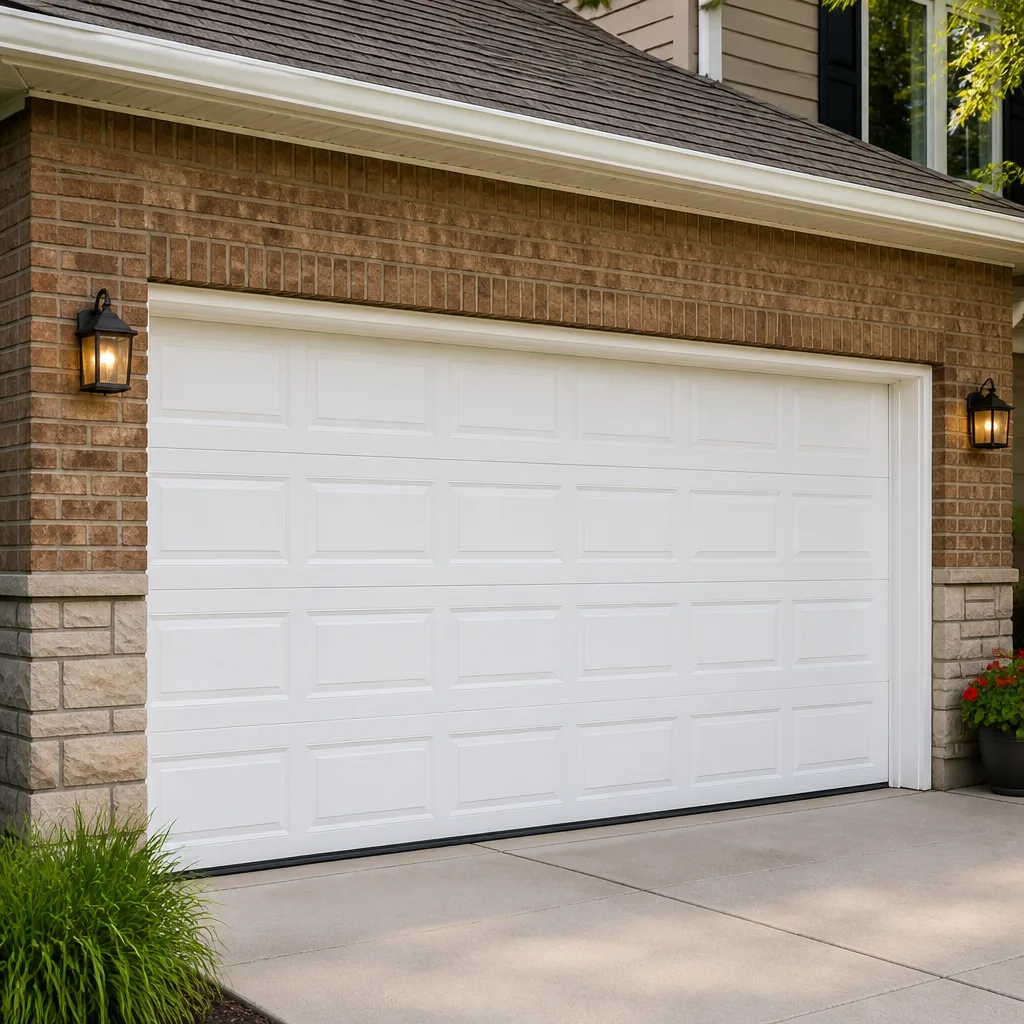 Raised-panel steel
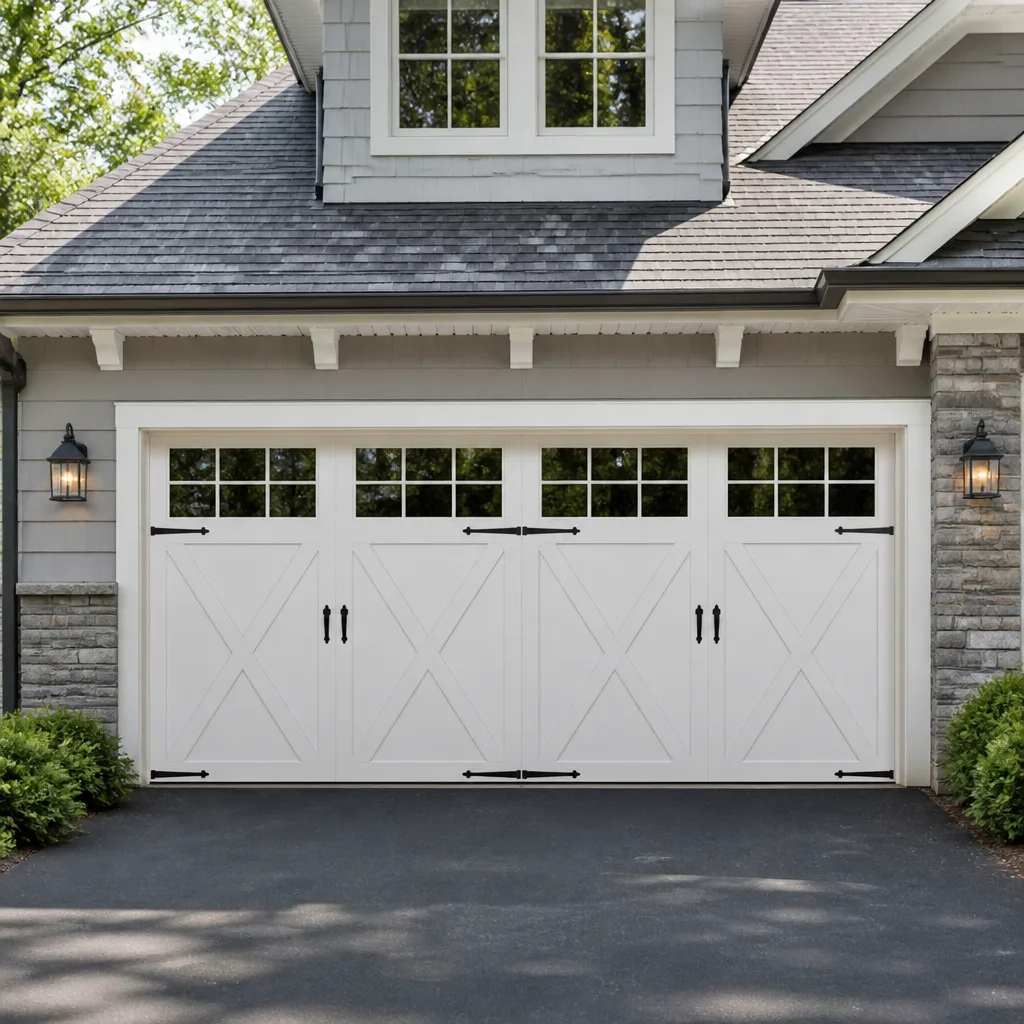 Carriage house
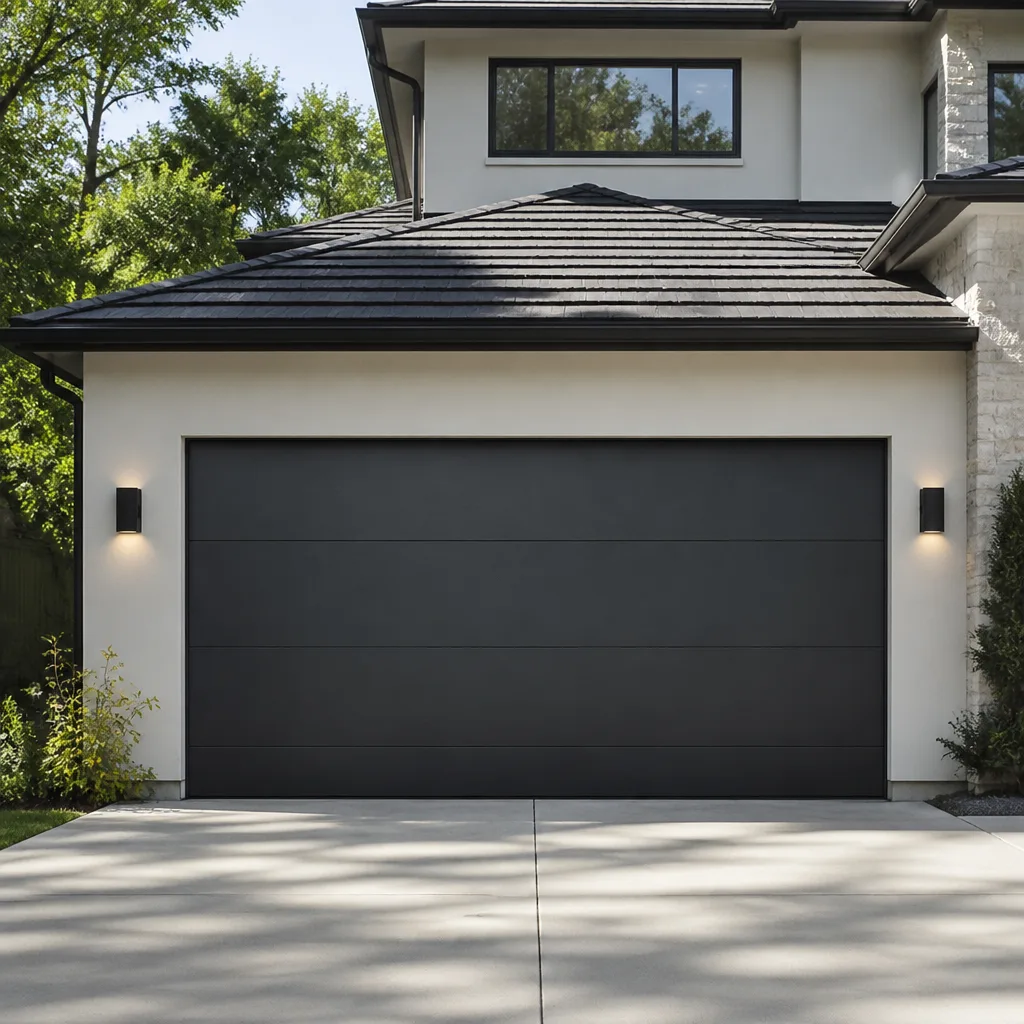 Modern flush
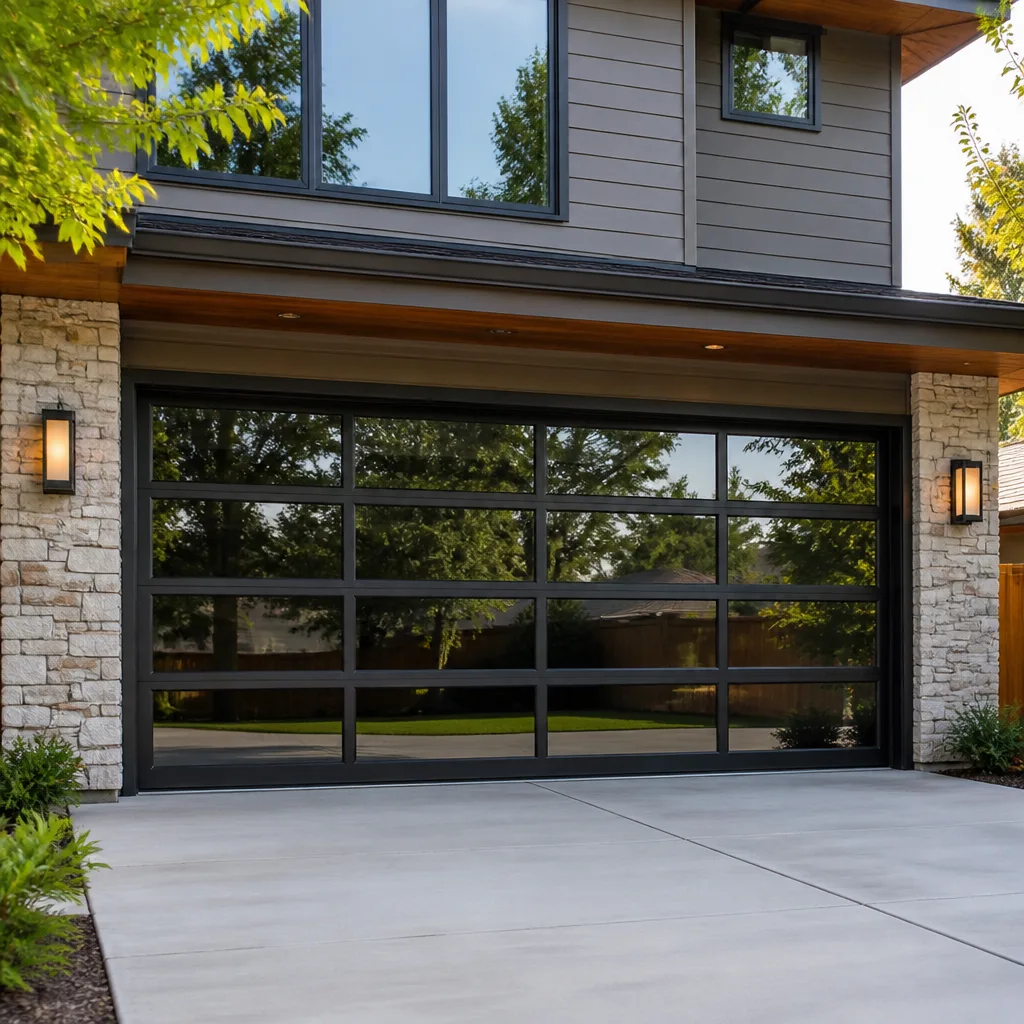 Full-view glass
 LiftMaster openers
 Chamberlain openers
Full 25-point door and opener safety check with every visit - springs, cables, rollers, tracks, and your LiftMaster or Chamberlain opener included
You get a price before we start. It does not change when the pro arrives.
Get your free estimateGarage Door Repair Maintenance Checklist for Newark Homeowners
Most garage door maintenance checklists assume a gentle climate. Newark doesn’t have one. The failure we see most often in January isn’t a snapped torsion spring. It’s a bottom seal frozen to the concrete apron, forced up by a homeowner in a hurry, which then jams the drum and snaps the cable wrapped around it. That sequence is specific to cold, wet, freeze-thaw weather, and it’s why generic advice falls short here. This guide orders every check by Newark’s actual failure calendar: which parts give out in which months, why, and what you can inspect yourself versus what needs a technician with a torque wrench.
Quick Answer
Garage door maintenance in Newark follows two rhythms: a five-minute monthly check you can do yourself (seals, balance, rollers, visible cable and spring condition), and an annual service that a technician should handle (spring torque, cable tension, drum and bearing wear, opener drive components). The seasonal pattern matters more than the calendar month. Cold snaps stress seals and cables, summer humidity corrodes springs, and spring-to-fall temperature swings work fasteners loose. Skip the checks and small wear turns into a repair.
Styles & brands we work with
- Raised-panel steel
- Carriage house
- Modern flush
- Full-view glass
- LiftMaster openers
- Chamberlain openers
Table of Contents
- The Newark Failure Calendar: What Breaks and When
- The Five-Minute Monthly Check
- The Seasonal Sequence: Spring, Summer, Fall, Winter
- Inspecting Torsion Springs: Corrosion Versus Fatigue
- The Correct Lubrication Sequence
- Bottom Seal Inspection on Uneven Concrete Aprons
- Opener Maintenance: Motors, Drives, and Smart Systems
- The Annual Service: What a Technician Actually Does
The Newark Failure Calendar: What Breaks and When
Garage doors don’t fail randomly. They fail in patterns tied to temperature, moisture, and how often the door cycles. In Newark, those patterns are sharp enough that we can usually guess the season of a service call before we see the door.
January and February belong to the bottom seal and the cables. Water collects under the door, freezes overnight, and bonds the rubber to the slab. When the opener lifts, the seal rips free or the extra resistance overloads the cable on the drum. Torsion springs also run stiffer in deep cold because the metal loses elasticity, and a spring already weakened by corrosion is more likely to fail in a cold snap than in July.
March and April are the fast and loose months. Freeze-thaw cycles work track bolts and hinge screws loose, and the door starts drifting out of alignment. This is when homeowners notice grinding, rattling, or a door that closes unevenly.
June through September belong to humidity. Newark summers are wet, and the moisture attacks the steel of torsion springs, cables, and hinges. Surface rust on a spring isn’t cosmetic; it’s the slow beginning of a fatigue failure. Opener motors also run hotter in summer, and a motor that’s near the end of its life tends to quit during the first heat wave.
October through December is transition season. Temperatures swing hard between day and night, seals harden, and the door you didn’t lubricate in fall starts telling you about it. Fall is also the natural time to schedule the annual service so the door goes into winter with fresh lubricant and correct spring tension.
If you’re not sure where your door sits, our garage door repair team can look at the whole system and tell you what’s worn and what’s still got life in it.
The Five-Minute Monthly Check
This is the inspection a homeowner can do safely without tools beyond a rag and a light. Do it once a month and you’ll catch most failures well before they strand the car. None of these steps involve touching a torsion spring, a cable, or the opener’s internal mechanism.
- Look at the seal. Close the door and check the bottom rubber along its full width. It should sit flat on the slab with no light visible underneath. Cracks, hardening, or a gap at one end means the seal is failing.
- Listen while it moves. Stand clear and run the door up and down. A steady motor hum is normal. Grinding, popping, scraping, or a rattle that wasn’t there last month is a warning.
- Test the balance. Disconnect the opener using the release handle and lift the door by hand to waist height. It should stay there. If it slams down or won’t lift easily, the springs are out of balance.
- Cycle the safety reverse. Place a small block under the door and watch it reverse on contact. Check the photo-eye sensors by passing a hand through the beam with the door closing. This is your family’s safety system, so don’t skip it.
- Scan the springs and cables visually. Look for rust, a visible gap in a torsion spring, or a cable that’s frayed or hanging slack. Don’t touch either one, and don’t try to fix what you see. Note the condition.
- Watch the rollers. A roller that’s cracked, chipped, or wobbling in its bracket should be replaced. Worn nylon rollers grind, and metal rollers rattle.
- Check the weatherstripping and gap around the frame. Air leaks show up as daylight around the edges. It’s a small thing, but it’s also an easy way to note what the technician should look at when they’re out.
What the monthly check can’t do is measure tension, torque, or internal wear. Those live in the annual service below. Our technicians have up to 9 years of experience, and most of that service is spent on exactly the things a homeowner can’t safely assess from the driveway.
The Seasonal Sequence: Spring, Summer, Fall, Winter
If you only do one meaningful maintenance pass a year, do it in the fall. If you want your door to last and to stay out of the repair shop, work the four-season sequence. It matches the failure calendar above and it’s organized by what the weather is doing to your door right now.
Spring
- Lubricate moving metal parts after the freeze-thaw season (hinges, rollers, the spring, the bearing plates).
- Check the track for loose bolts and realign if the door is drifting.
- Clean the photo-eye lenses, which collect grit and pollen and can cause false reverses.
- Look at the bottom seal for the cracking and hardening that winter left behind.
Summer
- Wipe down the springs and cables with a dry cloth and look for rust bloom. Humidity does the work slowly.
- Clear debris from the track and vacuum out grit that’s worked its way into the opener housing.
- Test the safety reverse twice: once on contact and once on the photo-eye beam.
- List any hum, rattle, or lag you notice in the motor for the fall service.
Fall
- Do the full lubrication sequence (below) before the first hard freeze.
- Check the bottom seal again and replace it if it’s cracked or brittle.
- Tighten every track bolt and hinge screw you can safely reach.
- Book the annual technician service now, so the door goes into winter inspected.
Winter
- Before every cold snap, clear snow and ice from the door’s travel path and the apron.
- Never force a frozen door up. That’s the single biggest cause of January cable failures.
- Run the door by hand (with the opener disconnected) once a week to confirm it moves freely.
- Listen for cold-weather squeaks or stiffness that weren’t there in the fall.
Seasonal care in Newark is really about matching your maintenance to what the next six weeks of weather are likely to do. The sequence above is designed so that every season’s work sets up the door for the next one.
Inspecting Torsion Springs: Corrosion Versus Fatigue
Torsion springs fail in two different ways, and the distinction matters because one is visible from the ground and the other barely is. Corrosion failure is slow: rust pits the steel, the pits become stress points, and the spring fails after months of warning signs. Fatigue failure is cumulative: a spring has a finite number of cycles, and no amount of maintenance resets that count. You can watch for corrosion. You can only estimate fatigue, which is why an annual inspection matters.
What corrosion looks like: brown or orange bloom on the steel, flaking, pitting, and eventually a layer of rust that bridges the coils. Newark’s summer humidity and winter road salt in the air both accelerate this. A spring that’s visibly rusty on the outside is corroding on the inside too.
What fatigue looks like: there’s often no visible sign at all until the spring breaks. The door may still lift and lower, but it gets harder to raise by hand. The opener strains. The door drops faster than it used to. Sometimes you’ll see the spring stretched out of alignment or hear a single loud pop when it finally goes. A spring that’s cycled several times a day (a busy household or a door that runs more than average) can fatigue well before the calendar suggests.
Either failure mode is a garage door repair job for a trained technician. Torsion springs are stored energy under load. The wind-up and wind-down are dangerous, and a spring that lets go while someone is working on it can cause serious injury. We don’t hand out DIY instructions for spring work, and we recommend you don’t try to find them.
If a spring has failed or looks like it’s about to, call (866) 942-6834. We answer 24/7, and fast dispatch from 7am to 7pm, Sunday through Friday, gets someone out to look at it.
The Correct Lubrication Sequence
The single most common lubrication mistake is spraying everything in sight and then watching the door drag because the lubricant attracted grit into the track. The sequence below is specific about what to lubricate and what to leave alone. Order matters because you don’t want to contaminate the clean surfaces with overspray from the next step.
- Clean first. Wipe the hinges, rollers, track interior, and spring with a dry cloth. Never lubricate a dirty surface. Grit plus grease equals a grinding roller.
- Lubricate the hinges. Apply a small amount of garage-door-specific lubricant to the pivot points of each hinge. Use a drop, not a spray. Wipe off excess before moving on.
- Lubricate the spring bearings and bearing plates. Light application at the end plates and any bearing bracket. Avoid the spring itself except a very light coat to slow corrosion.
- Lubricate the rollers at the stem. Not the roller wheel, and never the track surface. A clean track is faster and quieter than a greased track.
- Lubricate the opener’s drive chain or screw (if you have one). Belt-drive openers need no lubrication. Chain and screw drives need a small amount of the specific lubricant the manufacturer calls for.
- Wipe the track clean, not oiled. A dry cloth on the inside face of the track is all it needs. If it’s noisy after cleaning, the rollers are the problem, not the track.
On the brands we work on most, LiftMaster and Chamberlain chain and belt drives and Genie screw drives each want slightly different treatment. If you’re not sure what your opener takes, check the manual or ask us before you spray anything on it.
Never use WD-40 or standard household oil on garage door hardware. They attract dust and grit, thin out quickly, and leave the door running louder than before. Use a lubricant made for garage door tracks and hardware.
Bottom Seal Inspection on Uneven Concrete Aprons
Newark garages sit on a wide range of concrete. Older neighborhoods often have aprons that have settled, cracked, or pitched slightly to drain water away from the house. That’s a problem for the bottom seal, because the seal’s job is to bridge the gap between the door and a slab that isn’t perfectly level. A sealed door on a dead-flat slab is easy. A sealed door on a settling apron needs the right seal for the job.
Here’s what to check, in order:
- Close the door and look for light. A continuous line of daylight along the bottom means the seal isn’t bridging the gap. Isolated daylight spots mean the slab has a dip the seal can’t follow.
- Run a hand along the seal’s bottom edge. It should be soft and springy. If it’s hard, cracked, or chunked, it’s not sealing.
- Check the ends. Seals pull at the corners and along the track ends, which is where air and water get in first.
- Look at the apron. A dip or slope greater than the seal’s thickness can only be solved with a thicker seal or a threshold seal bonded to the slab. That’s a measurement call, not a guess.
- Inspect in winter. The freeze will find any gap and turn it into an ice bond. If the door has been hard to raise on cold mornings, the seal is already fighting the slab.
A bottom seal that’s tearing, hardened, or visibly gapping is worth replacing before winter. It’s the cheapest part on the door and the one most responsible for January cable failures. If your seal is due and you’re not sure which type your door takes, our garage door opener repair team sees this on almost every service call and can tell you exactly what fits.
Opener Maintenance: Motors, Drives, and Smart Systems
The opener is the part of the system that does the work, so it doesn’t fail quietly. It tells you in advance: a hum that’s louder than it was, a door that jerks at the start or the end of travel, a remote that needs to be closer than it used to, or an app that loses connection. Treat those as maintenance signals, not annoyances.
A basic opener maintenance pass covers four things:
- Motor and housing. Clear dust and lint from the vents, and listen for a bearing whine that wasn’t there before. Heat is the enemy of a motor nearing the end of its life, and Newark summers give it plenty.
- Drive system. The chain, belt, or screw should be at the tension the manual calls for. A loose chain slaps. An overtight chain strains the motor. Both wear the drive faster.
- Safety reverse system. Contact reverse and photo-eye reverse are separate tests, and both need to pass. This is the one maintenance item that’s also a family safety item.
- Remotes and smart components. Batteries, pairing, Wi-Fi connection, and app integrations. These are small fixes but they’re often what brings a customer to call us in the first place.
We treat garage door opener repair as its own specialty, not a side job. Motors, drives, remotes, and smart-system components are diagnosed on their own merit, and we work on all the major residential systems, including LiftMaster and Chamberlain, plus Genie and Raynor.
The Annual Service: What a Technician Actually Does
Some maintenance checks are five-minute homeowner tasks. The annual service is not. It involves torque, tension, and inspection of components that are stored energy or moving under load, and it’s the pass that keeps the door safe, quiet, and out of the repair category for another year. Here’s what a proper annual service covers.
- Spring tension check. Torsion spring torque is adjusted so the door’s weight is balanced across the full travel. This isn’t a hand-test; it’s a trained measurement, and it’s the single most valuable thing done in an annual service.
- Cable inspection and tension. Both cables are checked for fraying, drum wear, and correct tension. A cable is the second-most dangerous part on a garage door, and it shouldn’t be adjusted by anyone without the right tools and training.
- Drum, plate, and bearing wear. The bearing plates, end plates, and drums carry the door’s weight. Wear here shows up as noise and drift long before failure.
- Roller and hinge replacement. Worn rollers and loose hinges are cheap to swap and expensive to ignore. We replace them as part of the service rather than waiting for a failure.
- Track alignment and fastener torque. Every track bolt and hinge screw is set to the correct torque, and the track is checked for plumb and level. Loose fasteners are the leading cause of doors that slam or drift.
- Opener service. Drive tension, motor inspection, safety reverse test, and remote/smart-system check. If the opener is a brand we carry parts for (LiftMaster, Chamberlain, Genie, Raynor among them), the service includes brand-specific diagnosis rather than generic troubleshooting.
- Bottom seal replacement, when needed. Replacing a tired seal at the annual service is the cheapest insurance against a winter cable failure you’ll ever buy.
We handle all three service lines in-house, so there’s no handoff between a maintenance visit, an opener repair, and a new installation. Our garage door repair team and our installers work on the same eight brands: LiftMaster, Chamberlain, Genie, Clopay, Amarr, Wayne Dalton, Craftsman, and Raynor. If your door is one of those, we already know it.
Common Mistakes to Avoid
- Forcing a frozen door open. The seal bonds to the ice, the opener fights it, and the cable takes the load. If you feel resistance on a cold morning, stop. Clear the ice and try again, or call us.
- Greasing the track. Lubricant on the track attracts grit and turns a smooth glide into a grinding one. The track should be clean and dry. The rollers and hinges are what get lubricated.
- Using household oil or WD-40 on the hardware. It thins out in a few days, attracts dust, and leaves the door louder than when you started. Use garage-door-specific lubricant.
- Adjusting a spring or cable yourself. Both are stored energy under load. This is the one maintenance task that’s never a homeowner job, and the injury risk is real. Call a licensed technician.
- Skipping the balance test. A door that won’t stay at waist height when disconnected from the opener is telling you the springs are out of balance. That’s a service call today, not next month.
- Ignoring rust on the springs in summer. Surface rust in July is a fatigue failure in January. Humidity does the work slowly, and the freeze finishes it. Treat rust as a warning sign, not a cosmetic issue.
- Replacing a door when only the opener is failing. A door that opens slowly, jerks, or stops partway is often an opener or spring issue, not a door issue. Get a diagnosis first. We’ll tell you when repair is the right call and when replacement actually makes sense.
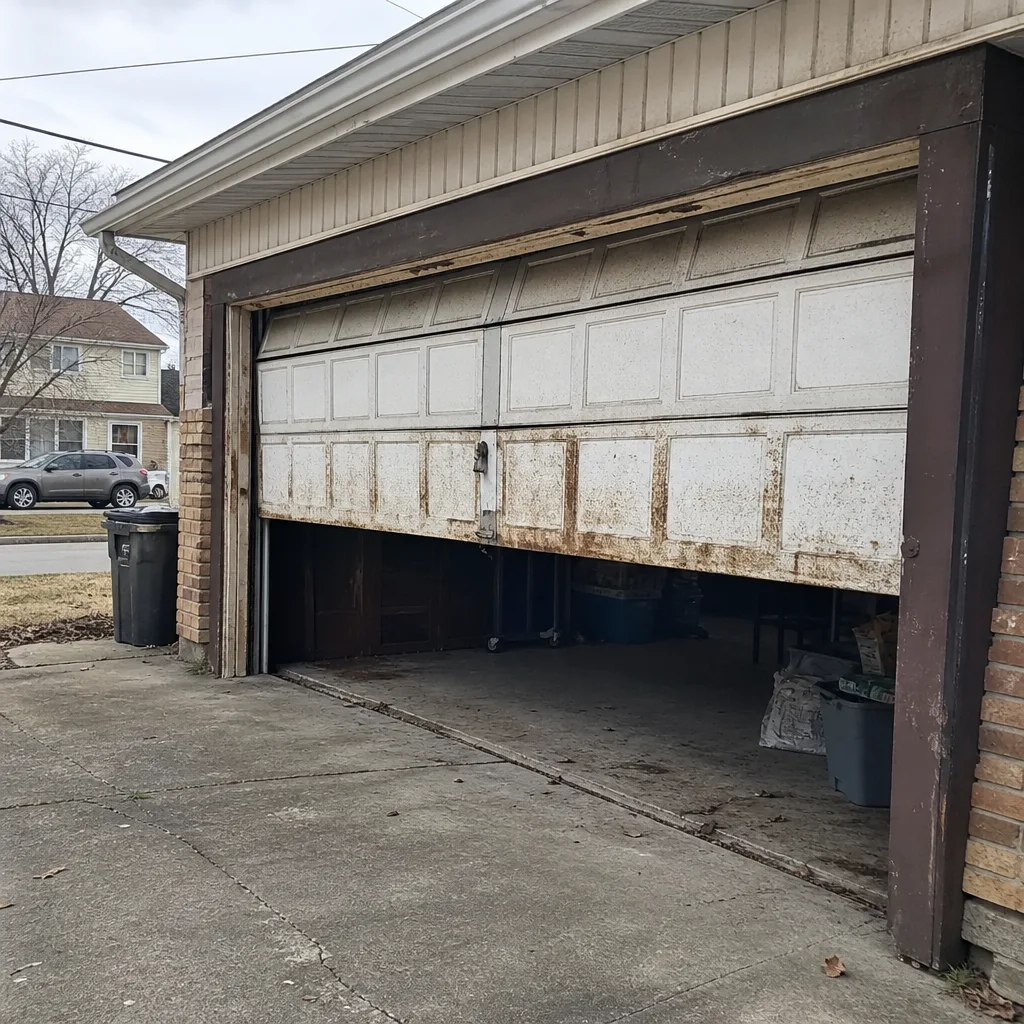
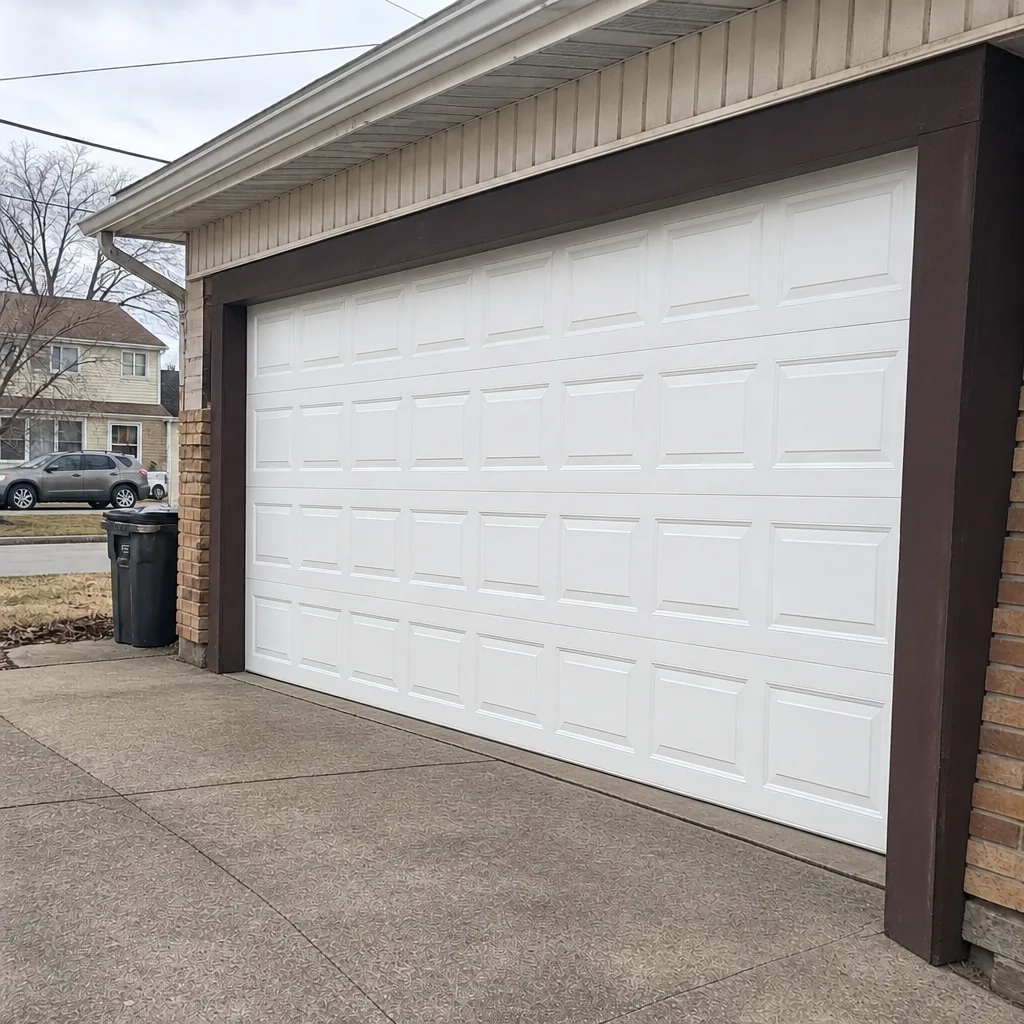
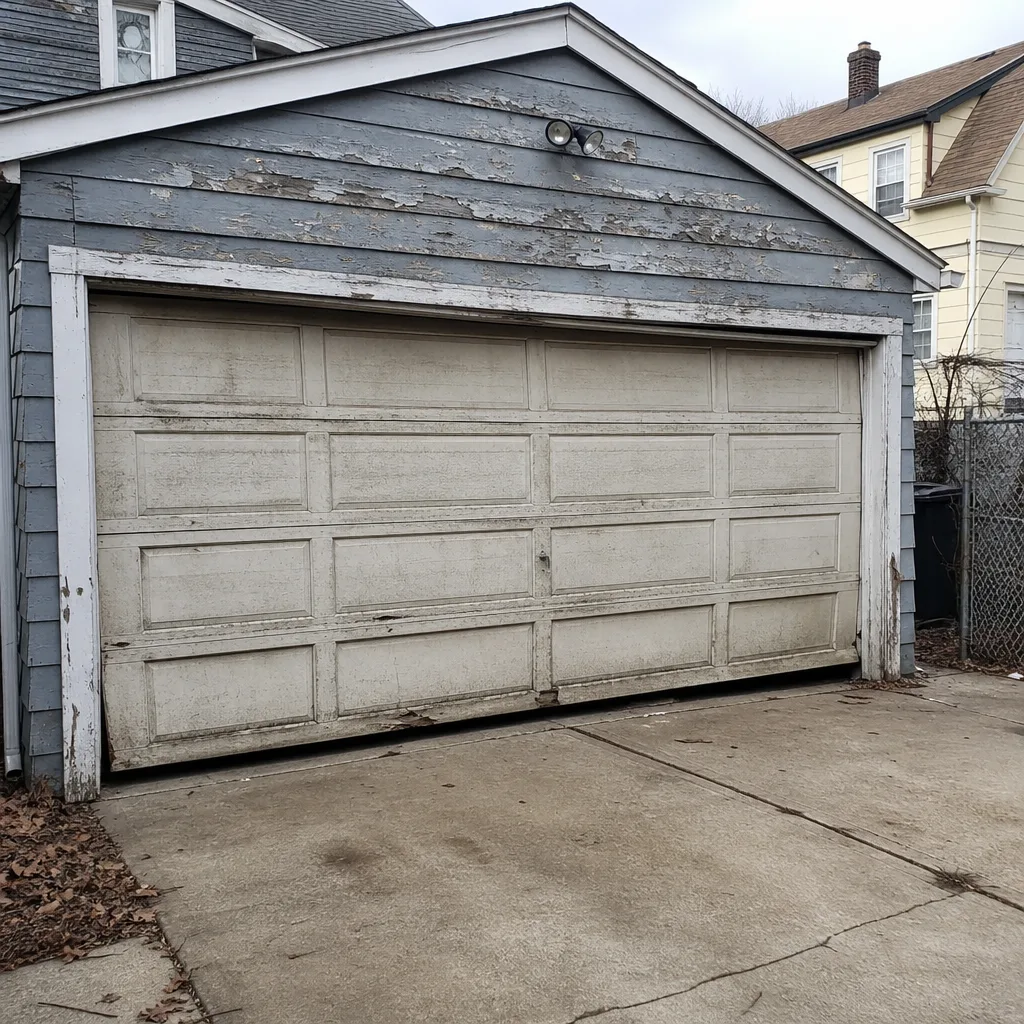
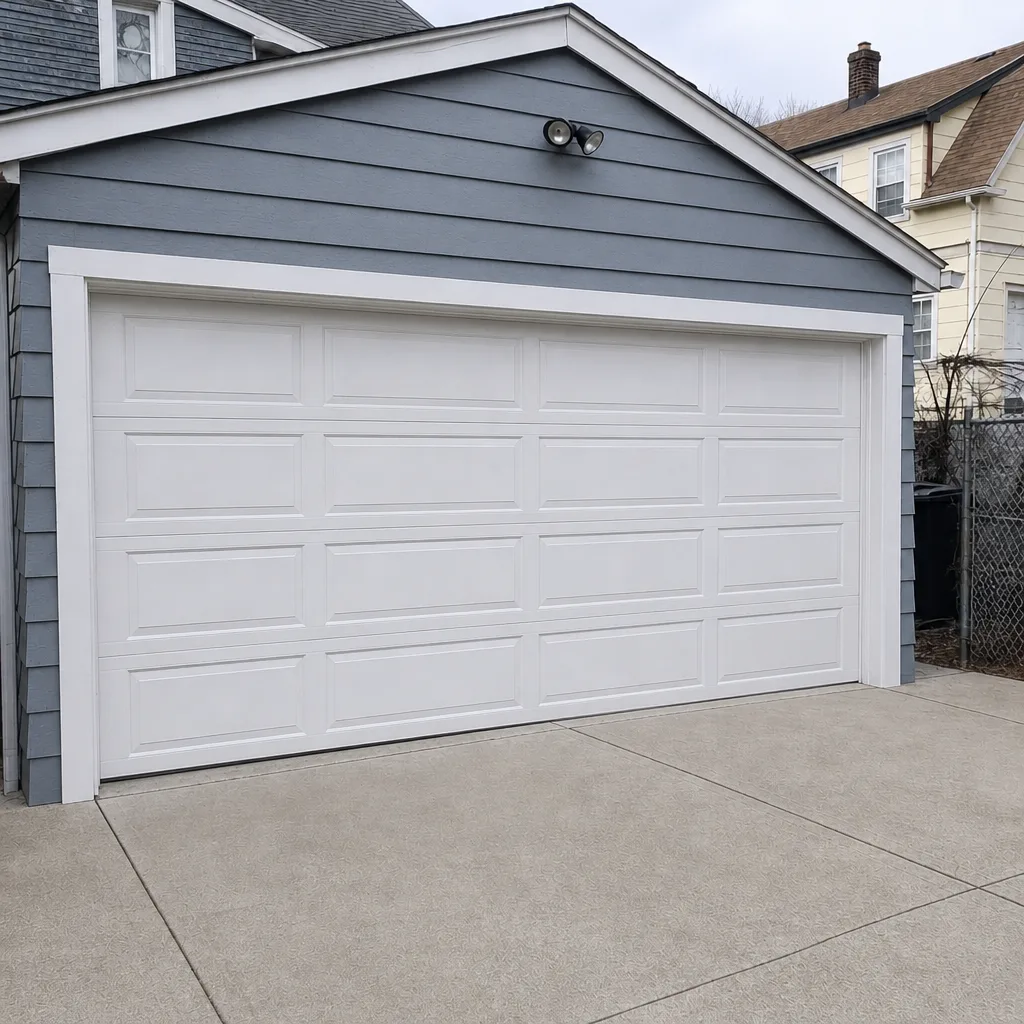
See the difference
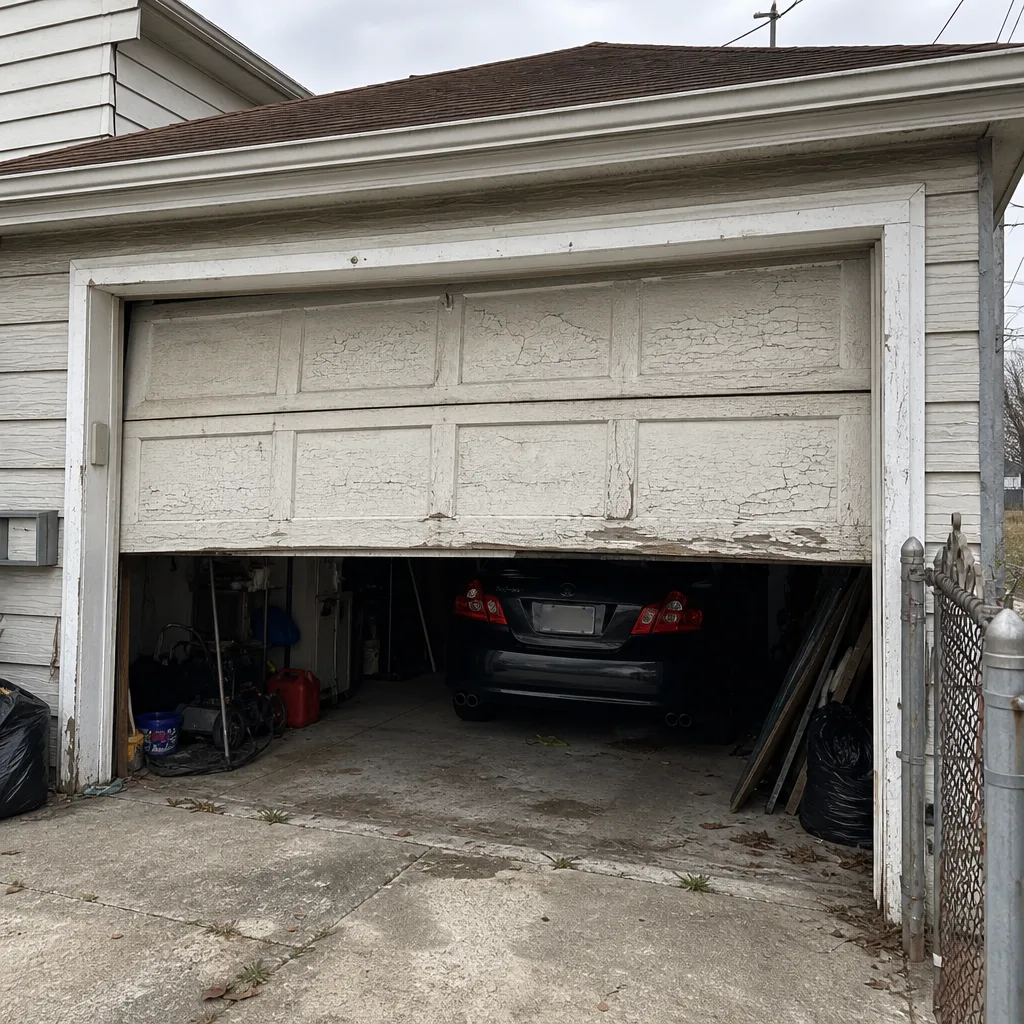 Before
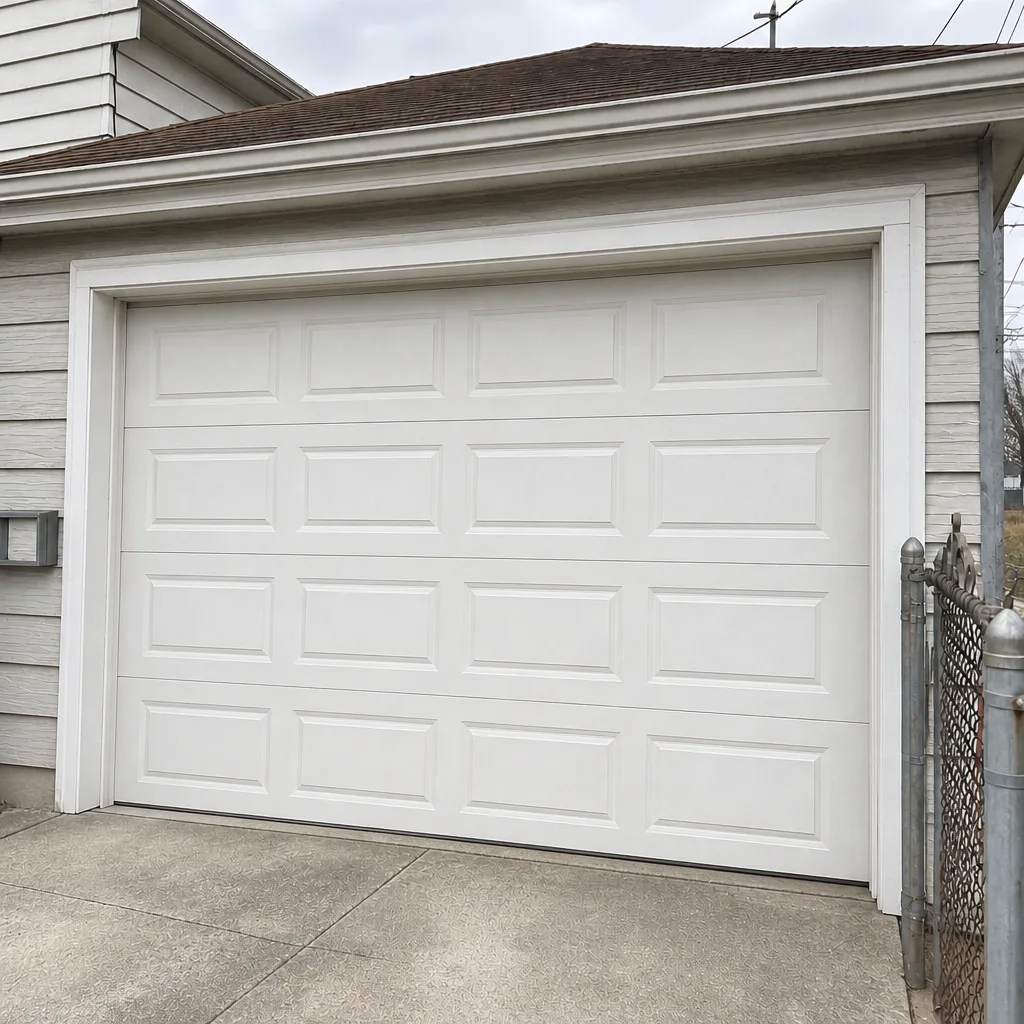 After
 Before
 After
 Before
 After
When to Call a Professional
Some of this checklist belongs in your hands and some doesn’t. Call a professional when the door won’t stay at waist height when disconnected from the opener, when you see a gap in a torsion spring, when a cable is frayed or slack, when the door is drifting, slamming, or opening unevenly, or when the opener makes a grinding or whining noise. Call immediately if a spring has broken or a cable has let go. These are not tasks for a homeowner with a wrench. Newark Garage Door Service offers free estimates in Newark. We service LiftMaster, Chamberlain, Genie, Clopay, Amarr, Wayne Dalton, Craftsman, and Raynor, and our technicians have up to 9 years of experience. Call (866) 942-6834. We answer 24/7, with fast dispatch from 7am to 7pm, Sunday through Friday.
Frequently Asked Questions
Once a year for most homes, ideally in the fall before the cold season starts. If your door cycles more than average (a busy household, a home-based business, or a door used as a main entrance), twice a year is the better call. The annual service covers spring tension, cables, rollers, track alignment, and the opener, which are the wear items cold weather hits hardest here.
You can safely do the monthly visual check, clean the track, test the safety reverse, check the bottom seal, and lubricate the hinges, rollers, and bearings. Anything involving spring tension, cable tension, or the opener’s internal mechanism needs a technician. Those components are under load, and adjusting them incorrectly can cause injury or turn a small repair into a full replacement.
Because freeze-thaw conditions hit the bottom seal, the cables, and the springs all at once. Water under the door freezes, the seal bonds to the slab, the opener fights it, and the cable on the drum takes the strain. Springs are also stiffer in deep cold, so a spring already weakened by summer humidity is more likely to fail in the first hard freeze. Clearing ice and keeping the seal in good shape prevents most of it.
Disconnect the opener and lift the door by hand. If it’s hard to lift or won’t stay at waist height, the springs are the problem. If the door moves easily by hand but the opener struggles, jerks, or stops partway, the opener is the problem. Either way, get a diagnosis before assuming you need a new door. We work on all the major brands, including Raynor and Genie, and can tell you which component is actually failing.
Not always, but it’s a real warning. Surface rust is common and slows down with a light coat of lubricant. Flaking rust, pitting, or rust that’s visibly bridged across the coils means the steel is thinning and the spring is at higher risk of failure. Newport’s summer humidity accelerates this. A technician can tell you whether it’s watch-and-wait or replace-now. Call (866) 942-6834 for a free estimate.
Close the door and look for daylight along the bottom edge. Isolated gaps mean the slab has a dip the seal can’t follow. Run your hand along the seal: it should be soft and springy, not hard or cracked. If the gap is wider than the seal’s thickness, you need a thicker seal or a threshold seal bonded to the slab, and that’s a measurement call. We see this on many older Newark aprons where the concrete has settled.
The Bottom Line
Maintenance keeps a garage door out of the repair category, and in Newark that means matching the work to the weather. Do the five-minute monthly check yourself: seal, balance, safety reverse, rollers, and a visual pass at the springs and cables. Never touch a spring or cable under load. Lubricate the right parts in the right order, keep the track clean and dry, and don’t force a frozen door. Schedule the annual service in fall so the door goes into winter with fresh lubricant and correct spring tension. Every service and installation job we do is handled in-house by technicians who work on the eight major brands, and every estimate is free. Call (866) 942-6834. We answer 24/7, with fast dispatch from 7am to 7pm, Sunday through Friday.
Written by the team at Newark Garage Door Service.